'Breaking the bonds of freedom': Nobel laureate on the success of China's economy

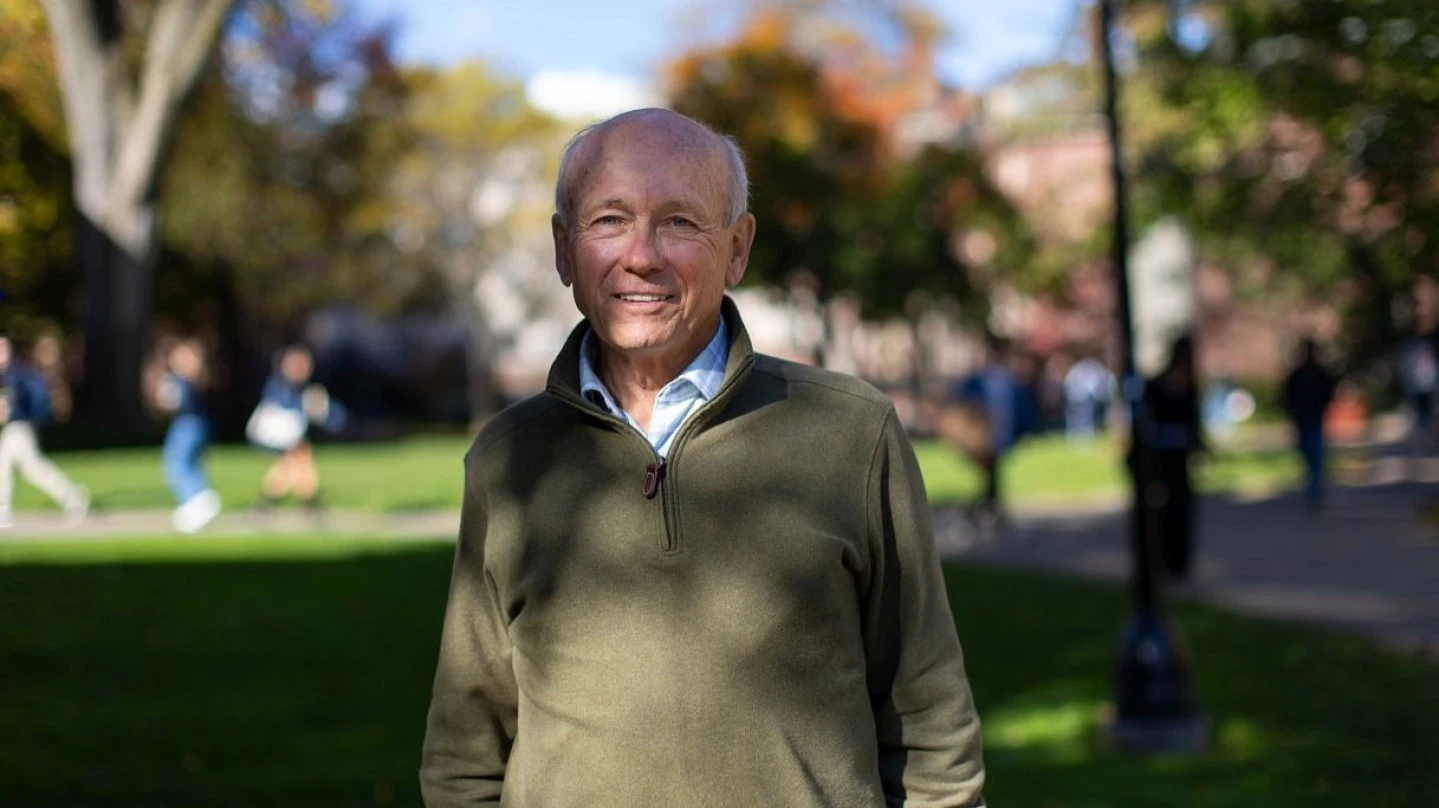
China has managed to break the link between political and economic freedom, Nobel laureate economist Peter Howitt pointed out / Photo: Brown University
For a long time, economic theory has held that democracy is a prerequisite for technological leadership and the development of breakthrough technologies, because all of these require openness and a "willingness to challenge the established order." But "China has been able to break that link between political and economic freedom," observed Peter Howitt, winner of the 2025 Nobel Prize in Economics, at the Davos forum. "That surprised me," he added. The economist's remarks came as part of a discussion on the role of innovation, competition and institutions in long-term economic growth.
Details
According to Howitt, after World War II, many Asian economies demonstrated so-called "economic miracles", growing rapidly by borrowing technology through international trade. However, some of them subsequently faced the "middle-income trap", failing to transition to sustainable growth based on their own innovations. China, on the other hand, as Howitt noted, has broken out of this scenario. "If I had been asked 20 years ago which country could break out of the middle-income trap, China would have been last on the list," he said.
China's economic growth, according to Howitt, has been made possible by a combination of fierce competition, freedom for companies to emerge and close, and large-scale data sharing, the economist said.
China is now a leader in the production and sale of electric vehicles, solar panels and batteries, as well as in a number of other technology areas, Howitt noted, emphasizing that "we don't fully understand exactly how this was made possible."
Context
By the end of 2025, China's GDP reached the target set by the Chinese government and grew by about 5%. At the same time, exports and industrial production remained the main drivers of growth, despite weakening domestic demand, Reuters wrote.
This article was AI-translated and verified by a human editor