Chinese stocks hit four-year high on AI bets
Investor sentiment in China is improving thanks to a combination of several factors

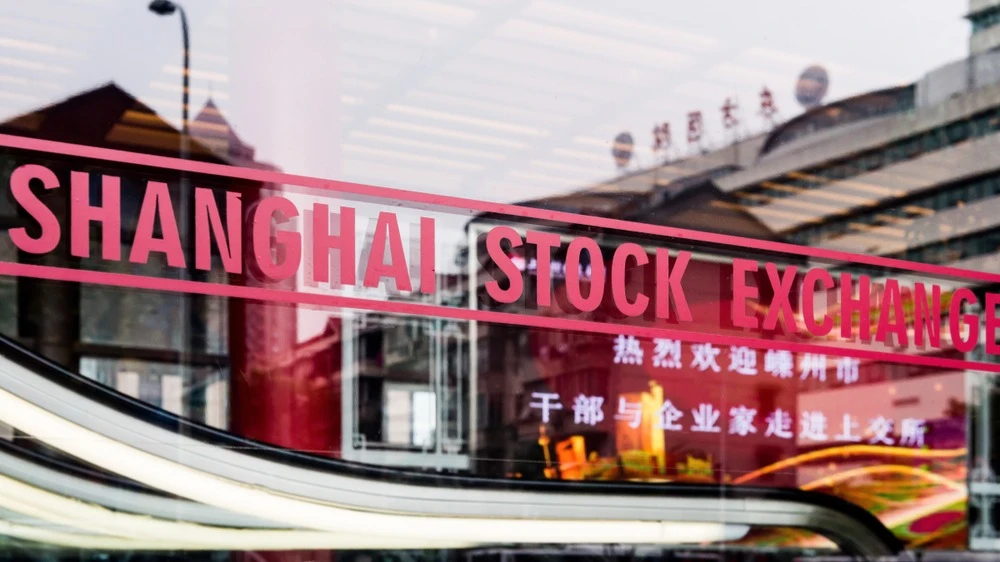
On January 6, the Chinese stock market hit new multi-year highs. Artificial intelligence and increasingly clear signs of economic recovery are driving growth, according to Bloomberg.
Details
The CSI 300 Index, which tracks the performance of the 300 largest companies on the mainland Chinese stock exchanges in Shanghai and Shenzhen, rose more than 1% to reach its highest level in four years. The Shanghai Composite Index, the largest index on the mainland Shanghai Stock Exchange, rose 0.9%, its best performance since July 2015, the agency reports.
Today, investors in Chinese stocks largely ignored the geopolitical risks associated with the US attack on Venezuela and actively bought up securities of fast-growing technology companies related to AI, writes Trading Economics. Among the growth leaders, the publication highlighted East Money Information, Leo Group, and GigaDevice Semiconductor. Shares in aerospace companies China Spacesat and China Satellite Communications also rose.
What analysts say
The year 2026 began on an optimistic note on the Chinese stock market thanks to high activity in the manufacturing sector, a positive assessment of the state of the economy by Chinese President Xi Jinping, and the continuing rally in AI-related assets, according to Bloomberg.
"Sentiment is improving as several factors have coincided. Clarity regarding government policy has come earlier than usual, investor positioning at the end of the year was very cautious (most of those wishing to sell Chinese stocks have already done so — Oninvest), and there are early signs of stabilization in certain sectors of the economy, especially manufacturing," the agency quotes Global X Management investment strategist Billy Loon as saying.
Context
The MSCI All Country Asia Pacific Index, the broadest index of stocks in the Asia-Pacific region, rose to its highest level ever on January 6. Japan's Topix index also hit a record high, according to Reuters.
After US special forces captured Venezuelan President Nicolas Maduro, shares in the largest US oil companies rose and oil prices fell. Overall, however, these events had a limited impact on risk appetite: stock dynamics were driven more by inertia, while the currency market focused on macroeconomic data, the agency notes.
This article was AI-translated and verified by a human editor