China sets yuan exchange rate at highest level since 2023
Rising demand for the yuan ahead of the Chinese New Year could strengthen the exchange rate in the coming weeks to 6.9 per dollar, according to Australia & New Zealand Banking

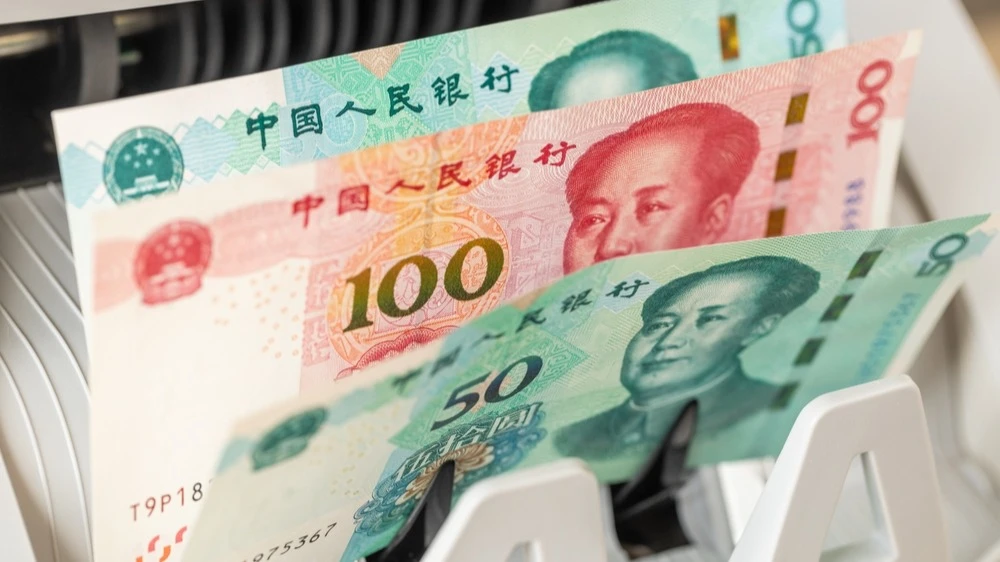
Beijing welcomes yuan rally as an indicator of investor confidence in the PRC, but must rein in the exchange rate to avoid undermining exports / Photo: Shutterstock.com
The People's Bank of China set the daily reference rate (fixing) of the yuan below the psychologically important level of seven per dollar for the first time in more than two years. This signals Beijing's intention to allow further appreciation of one of the key reserve currencies, despite the risks to the competitiveness of Chinese exports.
Details
On Jan. 23, China's central bank set the reference rate, which limits the yuan's daily fluctuation to within 2 percent in either direction, at 6.9929 per dollar, up from 7.0019 a day earlier. The last time the fixing was stronger than 7 per dollar was in May 2023. After its announcement, the yuan added 0.1% in both domestic and overseas trading, Bloomberg reported.
What the analysts are saying
In recent months, Beijing has allowed the yuan to strengthen, but sought to curb the pace of its growth against the dollar: the regulator set fixing at levels weaker than expected, to limit the strength of the Chinese currency also helped to limit the purchase of dollars by state banks. Today's fixing refutes "the market narrative that the level of 7 per dollar is a line that should not be crossed," Bloomberg quotes BNY investment strategist Wee Hong Chong.
"Given the seasonal effect ahead of the Chinese New Year, we may see the dollar-yuan pair move toward 6.9 in the coming weeks," suggested Australia & New Zealand Banking Group analyst Hong Guo. According to him, fixing stronger than 7 per dollar, the Chinese authorities sent "a strong signal of willingness to allow further growth of the national currency on the background of a weakening dollar".
Context
Trading Economics states that a record trade surplus of $1.2 trillion, repatriation of capital and optimism about Chinese equities are contributing to the strengthening of the yuan. According to the forecast of UBS, the largest bank in Switzerland, the inflow of funds to the Chinese stock market will continue in 2026 due to the soft regulatory policy and the growing interest in China from large institutional investors.
This article was AI-translated and verified by a human editor