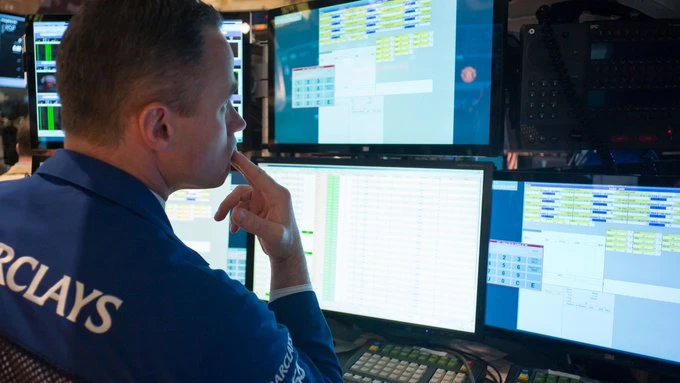
China has signaled the strongest signal since 2022 of its intention to contain yuan appreciation
ING investment bank admits yuan strengthening to seven per dollar in 2026

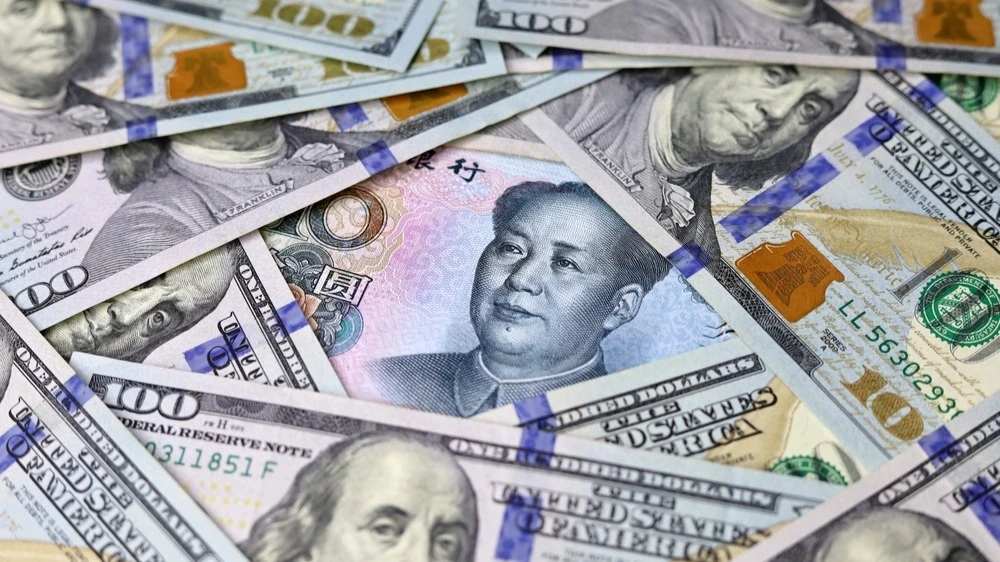
The People's Bank of China (PBoC) set the daily reference rate of the yuan at a level significantly below forecasts. This indicates the central bank's desire to limit further appreciation of the national currency. The regulator has to balance two contradictory objectives: it welcomes the yuan rally as an indicator of investor confidence in the Chinese economy, but has to restrain the exchange rate so as not to undermine the competitiveness of Chinese exports.
Details
On December 4, the NBK set the so-called fixing, limiting the yuan's fluctuations within 2% in either direction - at 7.0733 per dollar against the consensus forecast of 7.0569. The gap between the official benchmark and the market forecast was the widest since February 2022, Bloomberg writes.
In the morning of December 4, the yuan fell by 0.1%. At the same time, the day before, hedge funds were changing dollars into yuan and making deals on the options market, allowing to earn on strengthening against the U.S. currency, the agency notes.
What's happening to the yuan
The yuan has been gradually approaching the psychologically important 7 per dollar mark recently and was on track for its best year since 2020, as easing trade tensions with the United States helped drive inflows into Chinese equities. The momentum for China's currency strengthened after a surprise phone call between U.S. President Donald Trump and his Chinese counterpart Xi Jinping, and amid a possible Trump visit to China next year. The weakness of the dollar also played into the hands of the yuan, states Bloomberg.
What the analysts are saying
The current fixing "indicates that the authorities are keen to manage the pace of yuan appreciation but, importantly, are not trying to stop it," said Khun Goh, head of Asia markets research at Australia & New Zealand Banking Group. "Rather, the authorities likely want to ensure a smoother trajectory of currency appreciation, especially given the expected volatility in the foreign exchange market," the analyst suggested.
"The NBK prioritizes currency stability, so it's not surprising that given the relatively rapid appreciation in the last week, the regulator is now countering that pace," said ING chief economist Lynn Song. - "We don't expect the 7 [yuan per dollar] level to be tested for the rest of this year, but it is likely to be breached at some point next year.
This article was AI-translated and verified by a human editor