Confrontation with Google and concern for humanity: Musk described the creation of OpenAI in court
Musk said he got the idea for OpenAI after a conversation with Google founder Larry Page, who called him a "species chauvinist" because of his concerns about the fate of humanity in the age of AI

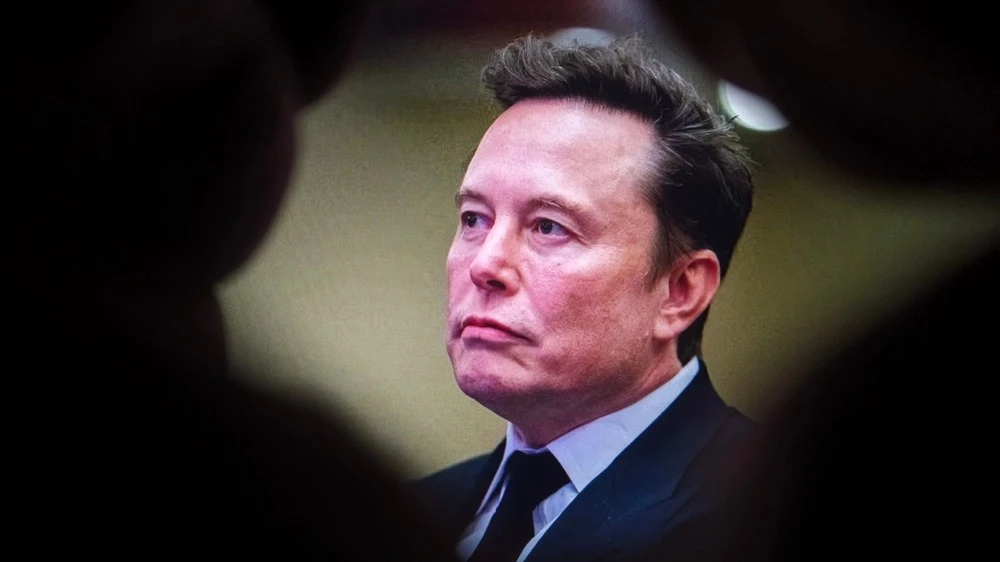
Musk claims to have played a key role in the creation of OpenAI / Photo: FotoField / Shutterstock.com
Elon Musk has given the first testimony in a landmark lawsuit against OpenAI, the creator of ChatGPT and one of the world's most valuable startups. The outcome of the case could have far-reaching implications for the future of OpenAI and its ambitious plans to hold one of the largest stock offerings on the stock exchange this year, Bloomberg writes. In addition to Musk, the court heard opening statements from all parties on April 28. Oninvest recounts the positions of the participants in the case.
Musk: "OpenAI exists because Larry Page called me a species chauvinist."
The world's richest man, who became the first witness in the trial in the case, said he played a key role in the creation of OpenAI: "came up with the idea, the name, recruited key people, taught them everything and provided the initial funding," The Verge writes.
Musk said that he started thinking about artificial intelligence back in the 90s and came to the conclusion that this technology would either cure all diseases and ensure universal prosperity or destroy humanity. He said he got the idea for OpenAI after a conversation with a close friend, Larry Page, co-founder of Google, who was leading AI research at the time. However, Page, in Musk's version, didn't care enough about the safety of AI.
"I said, 'What if AI destroys humanity? - Tesla's CEO told the court. - He replied that it would be okay if artificial intelligence survived. I said that's crazy. And he called me a species chauvinist for caring more about humans than AI."
Google did not respond to a request for comment, Bloomberg writes.
Musk said that after that conversation he realized that the world needed another AI company to stand up to Google: "OpenAI exists because Larry Page called me a species chauvinist." He said he could have created something like OpenAI on his own, but at the time was happy to have the other co-founders, Sam Altman and Greg Brockman, who were defendants in his lawsuit, involved in the project. According to Musk, he met Altman at one of his lunches and was convinced that he shared his views on AI security.
Musk believed that since he was the only one investing money, he should get a bigger share in OpenAI. He called the founders' demands to divide the shares equally unfair. According to Musk, they informally discussed different options for funding the nonprofit - for example, issuing cryptocurrency or attracting investment from Tesla. Musk said he was not against creating a "small for-profit organization" that would fund the nonprofit, but not so that it would control everything.
"It was supposed to be a charitable organization that doesn't benefit any individual. I could have created it as a commercial one, but I didn't," Musk emphasized.
He called the subsequent restructuring of OpenAI into a for-profit company a "looting". According to Musk, if the jury rules against him, "it will set a precedent for the looting of all charities in America.
Musk is expected to continue testifying on April 29.
OpenAI: Musk left after predicting failure
OpenAI attorney William Savitt said in his opening statement that two years after the start, OpenAI's founders realized that the company needed much more money for computing resources, and after "dozens" of meetings came to an agreement on the idea of creating a commercial division. Musk, according to the attorney, never once opposed it - quite the opposite. According to Savitt, Musk "wanted to turn OpenAI into a full-fledged commercial company and gain absolute control over it," but "the other founders refused to hand over the keys to artificial intelligence to one person."
"We're here because Musk didn't get his way at OpenAI," Savitt told the jury(quoted by CNBC). - Here's what happened. He walked away saying they were definitely going to fail. But my clients had the guts to continue and succeed without him. Musk may not like it, but it's not grounds for a lawsuit."
The OpenAI lawyer also said that Musk's legal battle is primarily an attempt to hurt his own AI company's biggest competitor, xAI, Bloomberg reports. Savitt pointed out that Musk didn't file the lawsuit until 2024 - a year after xAI launched.
Altman and Brockman also traveled to court Tuesday but did not appear. Altman left the hearing during a break before Musk's testimony.
What Microsoft says
Microsoft, which Musk has brought in as a co-defendant, insists it acted as a trusted partner to OpenAI throughout their collaboration.
"Together, Microsoft and OpenAI helped fund one of the largest nonprofit organizations in history," corporate lawyer Russell Cohen told the jury. - Unlike Musk, Microsoft never tried to control OpenAI."
Context
The hearing, which is being held in a California court, is the culmination of years of public conflict between the people who once built OpenAI together, Bloomberg notes. Elon Musk filed the lawsuit in 2024. He claims he was "purposefully manipulated" and "misled" into donating $38 million to OpenAI under the promise that the organization would put the interests of humanity above profit and remain a nonprofit. According to Musk's version of events, shortly after he left OpenAI's board of directors in 2018, the startup created a for-profit subsidiary, breaking the promises made to him. In addition to OpenAI itself, the defendants in the suit are CEO Sam Altman and President Greg Brockman, whom Musk accuses of unjust enrichment. He has also named Microsoft, OpenAI's largest shareholder, as a co-defendant, which he accuses of "aiding and abetting" him. Among Musk's demands is the reversal of OpenAI's restructuring. As a result of this restructuring, the OpenAI Foundation received approximately 26% of the shares of the commercial part of OpenAI, and Microsoft received approximately 27%.
The defendants deny the allegations.
The outcome of the case could have serious consequences for OpenAI, writes the FT. If Musk wins, the restructuring of OpenAI, completed last October, will be in jeopardy, and with it the ambitious plans to hold an IPO with a valuation of $1 trillion. In addition, Altman and Brockman may lose their positions on the board of directors, the publication notes.
This article was AI-translated and verified by a human editor