DeepSeek is cooking up a new AI model. What does a Big Short investor do with a portfolio?

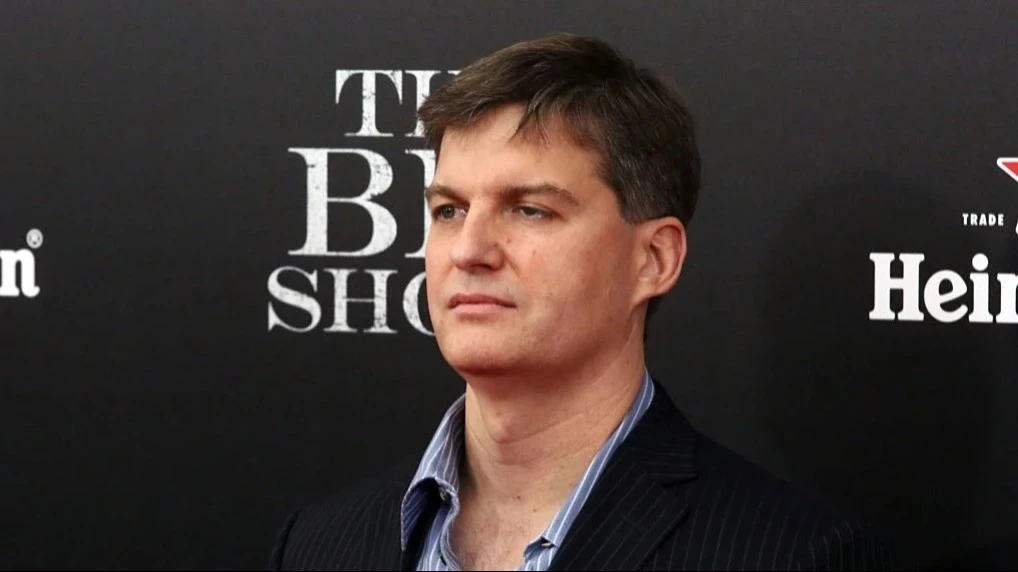
Cult shorts Michael Burry said on his Cassandra Unchained blog that he is holding shares in three Chinese companies investing in artificial intelligence, pending the release of a new AI model startup DeepSeek.
"I continue to keep JD, Meituan and Kuaishou in Hong Kong," Burry wrote.
Burry started buying JD Marketplace shares back in 2022 for his Scion Capital fund, which closed in November. Burry talked about investing in Meituan, a delivery and services service, and Kuaishou, a short video platform for instant shopping, in early 2026. JD, Meituan and Kuaishou are rivals in China's highly competitive e-commerce market and are investing in AI. Kuaishou, whose shares rose more than 50% last year, has released a video creation tool using AI called Kling. Meituan has developed its own artificial intelligence model LongCat to integrate into its workflows, and JD released ChatJD - "ChatGPT for industry" - and is actively investing in Chinese AI startups. Shares of Meituan and JD went into negative territory last year amid high competition and price wars in China's online retail market.
Burry wrote about his current positions in Chinese companies in a chat discussing the news that startup DeepSeek plans to release a next-generation V4 AI model by the end of the month.
"We have a new threat to a trillion-dollar data center project built on expensive and power-hungry Nvidia chips," Burry said. The investor, who bet against Nvidia last year, has repeatedly criticized the world's most expensive company: he argued that the chipmaker and its customers were inflating a stock market bubble and that the U.S., by relying on Nvidia's energy-intensive processors, risked losing the AI race to China.
Context
DeepSeek is planning a V4 release for February, The Information reported. According to its sources, V4 has powerful programming capabilities and has beaten out competitors from Anthropic and OpenAI in internal testing. DeepSeek's new model is also capable of handling extremely long prompts, which could be a potential advantage for developers working on complex programming projects.
A year ago, the release of another DeepSeek model, the R1, caused panic among investors. In one day, the Nasdaq Composite Index fell more than 3%, the U.S. market lost more than $1 trillion in capitalization, and Nvidia's market value plummeted by a record $600 billion. The release of R1, which took relatively little money to develop, left investors wondering whether OpenAI, Meta, and other tech giants could continue to justify their enormous capex, which has helped drive money into stocks over the past two years.
DeepSeek's success has also triggered increased interest in Chinese tech developments. In 2025, Hong Kong's Hang Seng Tech Index rose nearly 24%, while tech giants Baidu and Alibaba added about 60-70%.
Shortly before DeepSeek's triumph, Burry reshaped his Chinese investment portfolio, which accounted for about half of his Scion fund (closed at the end of 2025). The investor retained a stake in Baidu, but significantly trimmed stakes in Alibaba and JD and invested in PDD, the holding company for Temu, a marketplace known for aggressive marketing and low prices. The following quarter - on the eve of Donald Trump's imposition of harsh duties - Burry's fund changed tactics and opened down positions in China's Alibaba, PDD Holdings, JD.com and Baidu.
This article was AI-translated and verified by a human editor