Definitely not Trump's puppet: five major statements from the candidate to head the US Federal Reserve Board
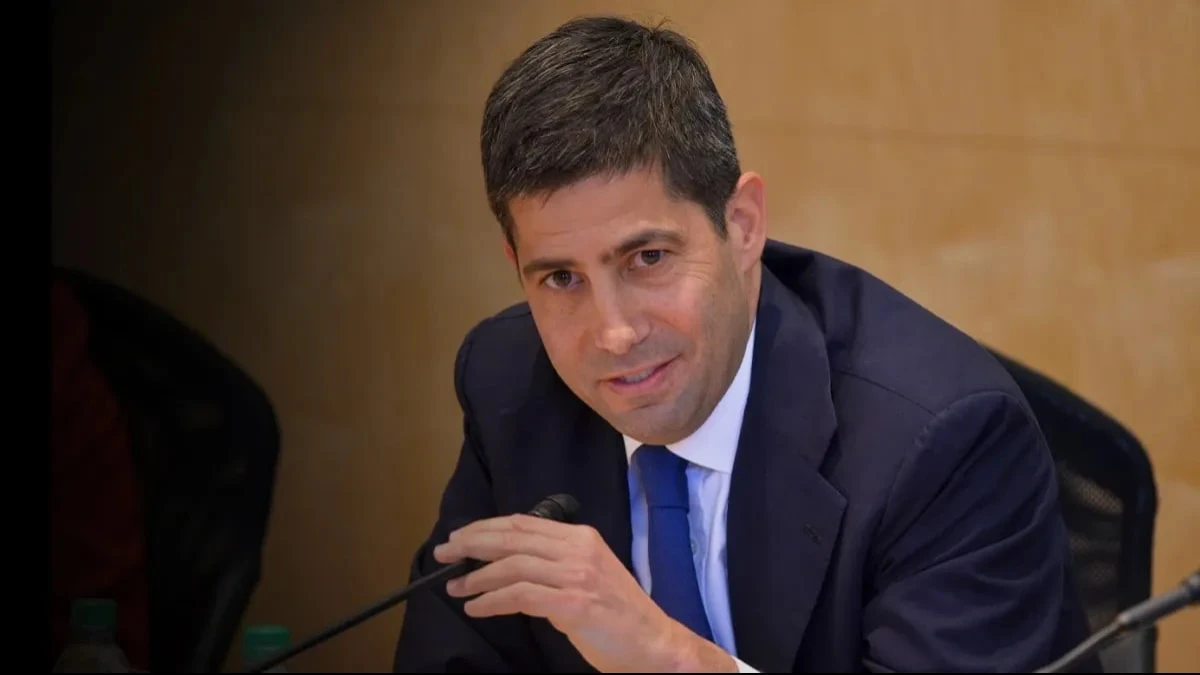
Photo: Hoover.org
Speaking at a U.S. Senate Banking Committee hearing, President Donald Trump's nominee to head the Federal Reserve Board, Kevin Warsh, emphasized several times that he would act independently if he is approved and takes the job. Here are five of his key statements.
1. Asked if he would become the president's "puppet" if appointed, Warsh replied, "Absolutely not." "At no time did the president ask me to predetermine, promise, fix, or make any decision on interest rates during our deliberations - and I would never agree to do so even if he asked," the nominee repeated several times in response to individual committee members.
2. Warsh called for a number of changes in how the Fed makes decisions, including a new approach to fighting persistent inflation, but he cited few specifics, Bloomberg notes. He held the Fed responsible for the spike in inflation after the coronavirus pandemic, calling it "the biggest mistake in economic policy in the last 40 or 50 years."
Now, in his estimation, "the trend is moving in the right direction," but rapidly rising prices remain a problem for Americans. "That means there needs to be a change in the mode of [monetary] policy," Warsh said. Asked whether he agreed with Trump's call for rates to be cut to about 1 percent this year, Warsh evaded answering the question, the agency wrote.
3. Warsh said he wants to move the Fed out of holding long-term Treasuries, but will do so very carefully and only after much consultation. "This kind of change would have to be thoughtful, well-organized, carefully constructed and explained in detail so that as we move to a more interest-rate-oriented policy regime, it would not cause unnecessary disruption to financial markets," he said.
4. The candidate for the post of Fed Chairman also announced a change in the format of the regulator's communication with the public. "Unlike many of my colleagues, I am not in favor of forward guidance (predetermined guidelines on rates and policy rate - Oninvest). I do not believe that I should disclose future decisions to you in advance," he warned.
Warsh was also asked if he would continue to hold briefings on rate decision days. He responded that Fed leaders talk a lot and "there is no shortage of transparency," but did not specifically say whether he planned press conferences.
5. The contender for the post of the head of the Federal Reserve pledged to sell his financial assets before taking office. According to the declarations filed as part of his nomination, Warsh and his wife Jane Lauder own assets worth at least $192 million. However, his total fortune is probably much higher, which could make him one of the wealthiest Fed chiefs in history, Bloomberg writes. Asked where Worsh will place the proceeds from the asset sale, he said he intends to invest them in instruments as close to cash or Treasury bills as possible - "plain and simple," as he put it.
How the market reacted
Warsh's ability to simultaneously reassure the White House and maintain investor confidence on inflation was seen as a key test ahead of the hearing, Bloomberg notes.
During his speech, the main U.S. stock indices lost growth and went into negative by 0.2-0.3%, and the price of Brent crude oil fluctuated around $98 per barrel, rising by 3%. Markets continued to be influenced by the news on the situation with the Iranian conflict, the agency points out. Tehran has not yet confirmed participation in peace talks with the US, Barron's explains.
"Nothing we heard [at the meeting] suggests that Warsh will actively advocate for substantially lower interest rates. Once approved, he might join the more dovish [Fed] members, but we're probably talking about about about a 75 basis point cut - which the market is still not pricing in," commented Bloomberg Intelligence strategist Ira Jersey on Worsh's statements.
This article was AI-translated and verified by a human editor