"Duties and pandemic will seem like a joke": analysts predict the worst year for smartphones
Because of the shortage of memory chips, the era of cheap gadgets may be a thing of the past

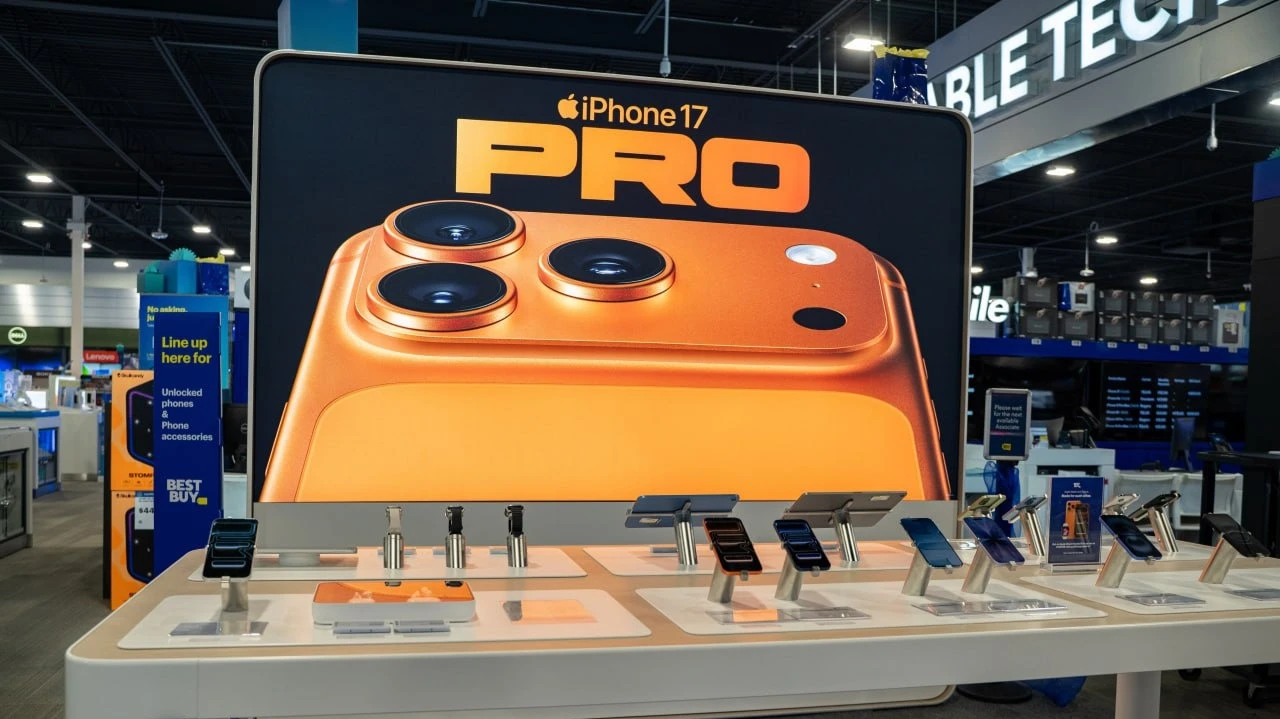
Analysts expect the strongest decline in smartphone sales since 2013/Photo: shutterstock.com/Erman Gunes
The global smartphone market this year may experience the worst decline ever observed - amid a prolonged shortage of memory chips. Two specialized research companies, International Data Corporation and Counterpoint Research, have warned about the threat, Bloomberg cites their estimates.
Details
The smartphone market will face a double-digit decline in shipments this year, analysts at International Data Corporation (IDC) predict. They expect a 12.9% decline - from 1.26 billion devices sold in 2025 to about 1.1 billion. The research company calls what is happening "a crisis unlike any other." It estimates that this could be the sharpest decline since at least 2013, when it began collecting statistics on shipments.
"Duties and pandemic will seem like a joke compared to this," said IDC senior research director Nabila Popal, quoted by Bloomberg. The smartphone market will experience a "seismic shift" in terms of its size, average prices and competitive landscape, she said.
Demand for advanced memory chips needed for artificial intelligence tasks has depleted global inventories, and shortages have led to higher prices, affecting manufacturers of consumer electronics, including smartphones, which also use these chips. Many analysts estimate that this will put pressure on the industry throughout the year and will continue into 2027. Counterpoint called it a "full-blown supply shock."
"Memory makers are asking smartphone makers to fall in line behind companies that run data centers and cloud services," Tarun Pathak, director of device and ecosystem research at Counterpoint, told CNBC. The company voiced similar numbers: it expects a 12.4 percent collapse and predicts the worst year in smartphone history.
Which smartphones will survive the crisis
Companies are likely to focus on mid-range and premium smartphones, while low-cost gadgets will be under the most pressure due to the high share of memory in the cost of production, according to IDC and Counterpoint, CNBC reports. Manufacturers will be forced to pass cost increases on to consumers, which will lengthen device refresh cycles and lead to a decrease in the number of new customers.
However, the largest players in the sector, such as Apple and Samsung, may be more resilient, Counterpoint said. They are in the best position to survive several difficult quarters, due to deeper supply chain integration, greater pricing power and shifting the product line toward more expensive models, analysts say. Meanwhile, Xiaomi and Lenovo have already warned that they may raise prices on their products, Bloomberg writes.
IDC does not expect the situation to improve until mid-2027, and Counterpoint predicts that a possible tipping point is not expected until late next year at the earliest - assuming additional memory production capacity comes online. But even after supply normalization, a return to previous price levels is unlikely: the era of cheap smartphones may be a thing of the past, IDC said.
This article was AI-translated and verified by a human editor