Eli Lilly received a rare "sell" recommendation from analysts. Shares fell by 6%
HSBC analysts called the market for obesity drugs "bloated"

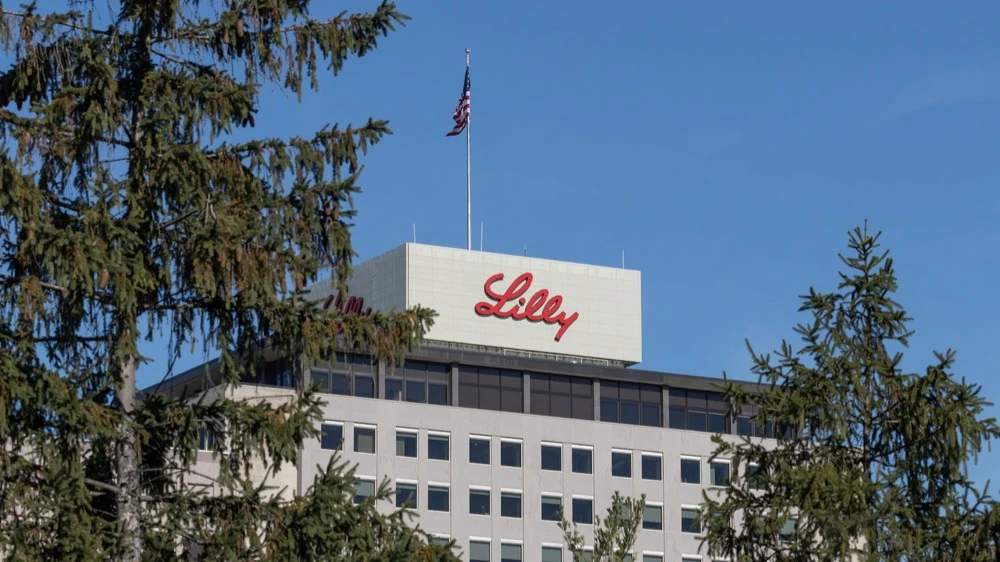
Pharmaceutical giant Eli Lilly sagged 1.1% in trading on March 17. Photo: Jonathan Weiss/Shutterstock
Bonds of pharmaceutical giant Eli Lilly sagged by 6% in trading on March 17 after HSBC bank for the second time in a year changed its position on the company's shares, recommending to sell them instead of holding them, Bloomberg notes. Analysts at the financial institution noted that the overall market for weight-loss drugs looks "bloated" at the moment, CNBC writes.
Details
HSBC downgraded Eli Lilly from "Hold" (Hold) to "Sell" (Reduce) and reduced the target price from $1070 to $850 per share. It assumes decrease of the company's securities value by 14% relative to the closing level on March 16. Analysts justified their position by concerns about the overestimation of the market of obesity drugs. According to strategists, instead of the expected $150 billion, the real volume of this market by 2032 will amount to $80-120 billion, and high competition will lead to a fall in prices in 2026, which will slow down the growth of profits of companies, reports Investing.com.
"We believe Lilly's current share price already incorporates an ideal scenario. We are concerned about working capital trends and believe that medium-term earnings forecasts are overly optimistic," HSBC analysts said(quoted by CNBC). In particular, HSBC analysts consider the sales forecast for Eli Lilly's new drug Orforglypron (a tablet-based treatment for obesity and type 2 diabetes mellitus - replaces weight loss injections by simulating satiety) at $1.1-1.3 billion to be overstated, Investing.com notes - that's the amount of stock Eli Lilly had built up in mid-February before sales of the drug began.
HSBC fears that due to side effects, patients will often drop the medication or skip days, so real returns will be lower than expected.
What about the stock
According to Bloomberg, HSBC's "sell" recommendation is the only negative assessment among 38 analysts tracking Eli Lilly shares. At the same time, in late February, three major investment banks - JPMorgan, Deutsche Bank and RBC Capital - confirmed a positive outlook on Eli Lilly shares, calling the company the undisputed leader in the "race" of weight loss drugs. Analysts emphasized that Eli Lilly's therapy demonstrates higher efficiency than competitors' developments, which will allow the American pharma giant to dominate the market.
Over the past 12 months, Eli Lilly shares have risen 13% amid demand for obesity drugs, significantly outperforming its main competitor, Novo Nordisk (its U.S. receipts have lost more than 50% over the same time). At the moment, according to MarketWatch, 28 analysts recommend buying Eli Lilly securities, five advise to hold them, and only one put a sell rating on the stock. At the same time, the average target price is $1240, which implies their growth of more than 30% from current levels.
This article was AI-translated and verified by a human editor