European and US stocks collapsed amid Trump's tougher rhetoric

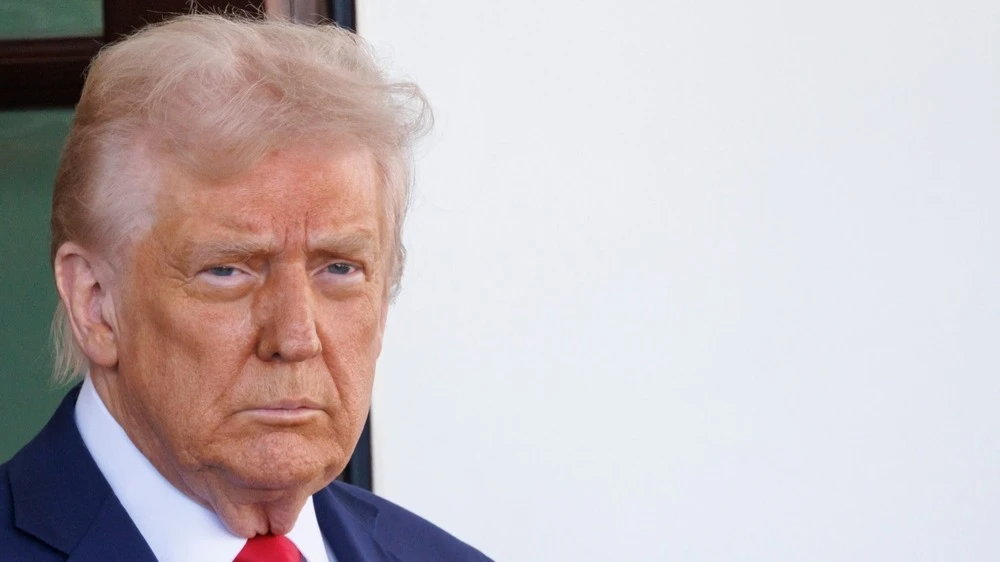
European markets under pressure from Trump's statements / Photo: Joshua Sukoff / Shutterstock
European stock indexes fell on Jan. 20 after U.S. President Donald Trump said there was "no going back" in his demand for control over Greenland, the Financial Times reported.
The Stoxx Europe 600 index, which reflects the dynamics of shares of 600 major companies in the region, collapsed by 1.4% - after falling by 1.2% the day before, January 19. German DAX index lost 1.6%, French CAC 40 - 1.4%.
After Trump threatened to impose 200 percent duties on French wine and champagne - due to French President Emmanuel Macron's refusal to join the "Peace Council" on Gaza - trade-sensitive sectors including luxury brands and automakers were hit. Shares of French luxury conglomerate LVMH, which owns the Moët & Chandon, Dom Pérignon and Veuve Clicquot brands, fell 2%. Quotes of the French producer of alcoholic beverages Rémy Cointreau, which also produces champagne Telmont, fell by 1.8%.
Futures on U.S. stock indices also point to the opening of trading in the red zone: exchange-traded contracts on the S&P 500 fell in price by 1.8%, Dow Jones - by 1.6%. Futures on the Nasdaq 100 collapsed by 2.2% at once. January 20 is the first day when U.S. investors will be able to react to the renewed risks of tougher duties against Europe, as on Monday the country's trading floors were closed in honor of Martin Luther King Day, notes CNBC.
Yields on U.S. Treasuries rose sharply, with benchmark 10-year bonds rising about six basis points and 30-year securities jumping nine basis points.
Trump said on Jan. 17 that against eight European allies, the duty rate would be 10 percent starting Feb. 1 and rise to 25 percent by June 1 unless a deal is reached allowing Washington to "buy" Greenland, a semi-autonomous territory within Denmark, CNBC noted. According to the U.S. president, the new restrictions would potentially affect Denmark, Norway, Sweden, France, Germany, Britain, the Netherlands and Finland. European leaders have called the threat "unacceptable" and are reportedly considering retaliatory measures. In particular, France is insisting that the European Union invoke the toughest economic pressure instrument - the so-called Anti-Coercion Instrument, CNBC reported.
What the analysts are saying
- "Since the US stock exchanges had a day off yesterday, the impact of threats to impose duties because of Greenland has not yet had time to fully affect the financial markets. Investors have already reacted, but it is clear that there remains room for sharper moves if the rhetoric continues to tighten," warned Deutsche Bank analyst Jim Reed, he was quoted by CNBC. The fact that Trump has refused to rule out the use of force to gain control of Greenland increases fears of a possible retaliatory trade escalation from Europe, the analyst said.
- Donald Trump's threats to Europe over Greenland are "negative for all U.S. assets," said Luca Paolini, chief strategist at Pictet Asset Management, the Financial Times reports
- Markets tend to react negatively to policies that they perceive as self-destructive, wrote analysts at Barclays, their opinion quotes the FT. Even in the absence of large-scale retaliatory measures from the EU, investors lay the negative effect in the price of the dollar, the Bank's team drew attention.
- Jeff Kilburg, head of KKM Financial, advised investors to buy the drawdown if stocks decline due to concerns over the threat of trade restrictions. "The markets' initial reaction to possible duties creates a buying opportunity as the focus shifts midweek from the World Economic Forum in Davos back to the fourth-quarter reporting season," he said.
The news is supplemented.
This article was AI-translated and verified by a human editor