LVMH and Kering shares fall due to Trump's duties. A quarter of the brands' sales depend on the US
The imposition of new U.S. duties over Greenland could reduce eurozone GDP by about 0.1%, Goldman Sachs has calculated


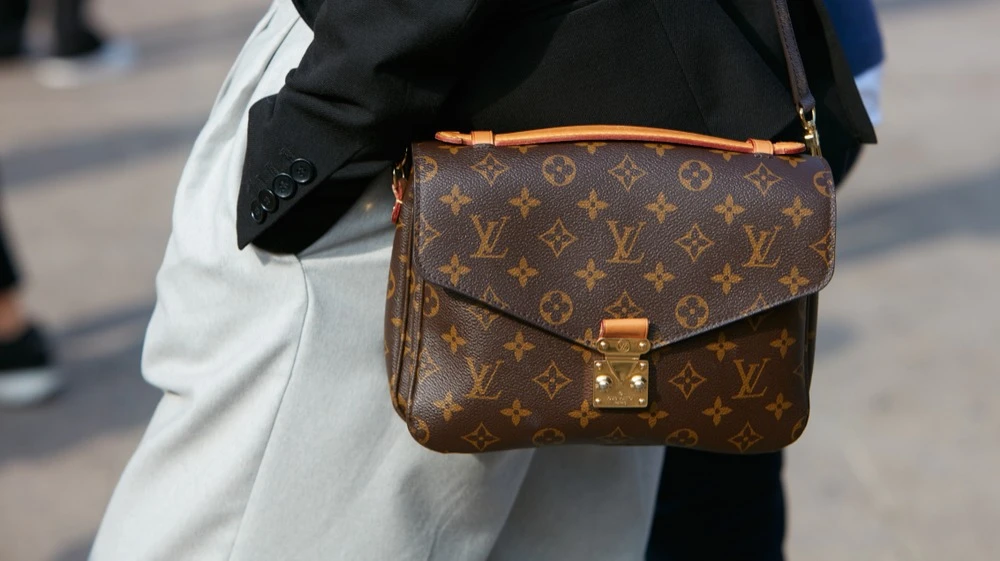
Shares of leading European luxury brands and holdings, including the owners of Louis Vuitton and Gucci, fell sharply in trading on January 19. The reason was Donald Trump's threats to impose duties of 10% on goods from a number of European countries. Thus, the US president is trying to put pressure on Denmark to force it to sell Greenland, writes The Wall Street Journal. The US is one of the world's main markets for luxury goods.
Details
The papers of Moet Hennessy Louis Vuitton(LVMH) on trades in Paris decreased in the moment by 4.8%. They were at their lowest since mid-October 2025.
Shares of Kering (owner of Gucci) were losing 3.7% during the trades. The value of securities turned out to be the lowest since the beginning of October.
In Zurich, the securities of Richemont, the owner of Cartier, fell by 4%. In addition, shares of Italian brand of cashmere clothing Brunello Cucinelli in Milan fell by 3.5%, and British Burberry Group in London - by 3.4%.
A basket of stocks in the luxury goods sector compiled by Goldman Sachs fell 3.3 percent on Monday and hit its lowest in three months, Bloomberg reported. This basket declined for the sixth consecutive day. At the same time last quarter quotations of securities of luxury companies, on the contrary, rose to almost the maximum in four years, the agency noted. From the low reached in April 2025 (when Trump first began to announce the duties), and to the end of last year, the Goldman Sachs basket rose 21%.
What the analysts are saying
Kering and LVMH depend on exporting products to the U.S. for about 23% of their revenue, Morgan Stanley analysts said in a note cited by The Wall Street Journal.
In addition, Morgan Stanley downgraded LVMH shares from Overweight ("above market") to Neutral on Monday. "Our cautious approach is primarily due to currency risks and the potential impact of duties," the analysts wrote in a WSJ statement. - The company will only be able to offset some of these effects by raising prices, as it can't afford to lose middle-class customers."
The rise in stocks in the sector, which began in the spring of 2025, was linked to investors' hopes for an increase in brand sales after two years of stagnation, Bloomberg wrote. But now an increase in profit forecasts looks unlikely unless the economic situation in China improves more strongly, Morgan Stanley suggested in the agency's statement. In this situation, companies that sell goods of the highest price category, such as Hermes, will benefit, the bank said.
In the first quarter of last year, shares of luxury brands were generally considered safe from trade friction between the U.S. and the EU due to the ability of brands to raise prices and compensate for rising costs at the expense of consumers, recalls CNBC. However, analysts already warned at that time: if the duties lead to a wider economic downturn, it could affect even the most affluent buyers, the channel writes.
Context
Over the weekend, US President Donald Trump announced a new series of duties on goods from Denmark, France, Germany, the UK, Norway, Sweden, the Netherlands and Finland. According to him, a rate of 10% will come into effect on February 1, and from June 1 it will increase to 25%. At the same time, the U.S. President did not specify whether the new duties will be introduced in addition to the existing ones, notes WSJ.
Goldman Sachs economists estimate that the introduction of new U.S. import duties may reduce the gross domestic product of the eurozone by about 0.1%, Bloomberg reports. At the same time, Germany will suffer the most, notes the investment bank: its GDP may decrease by 0.2% in the case of retaliatory duties, and by 0.3% - if the duty will be applied in full without exceptions. "The blow could be more serious if the duties cause a loss of confidence or a negative reaction of financial markets," Goldman said in a note.
This article was AI-translated and verified by a human editor