European automakers' shares fall after Trump's new threats of duties


European markets sagged after Trump's statements on duties on European cars / Photo: i viewfinder / Shutterstock
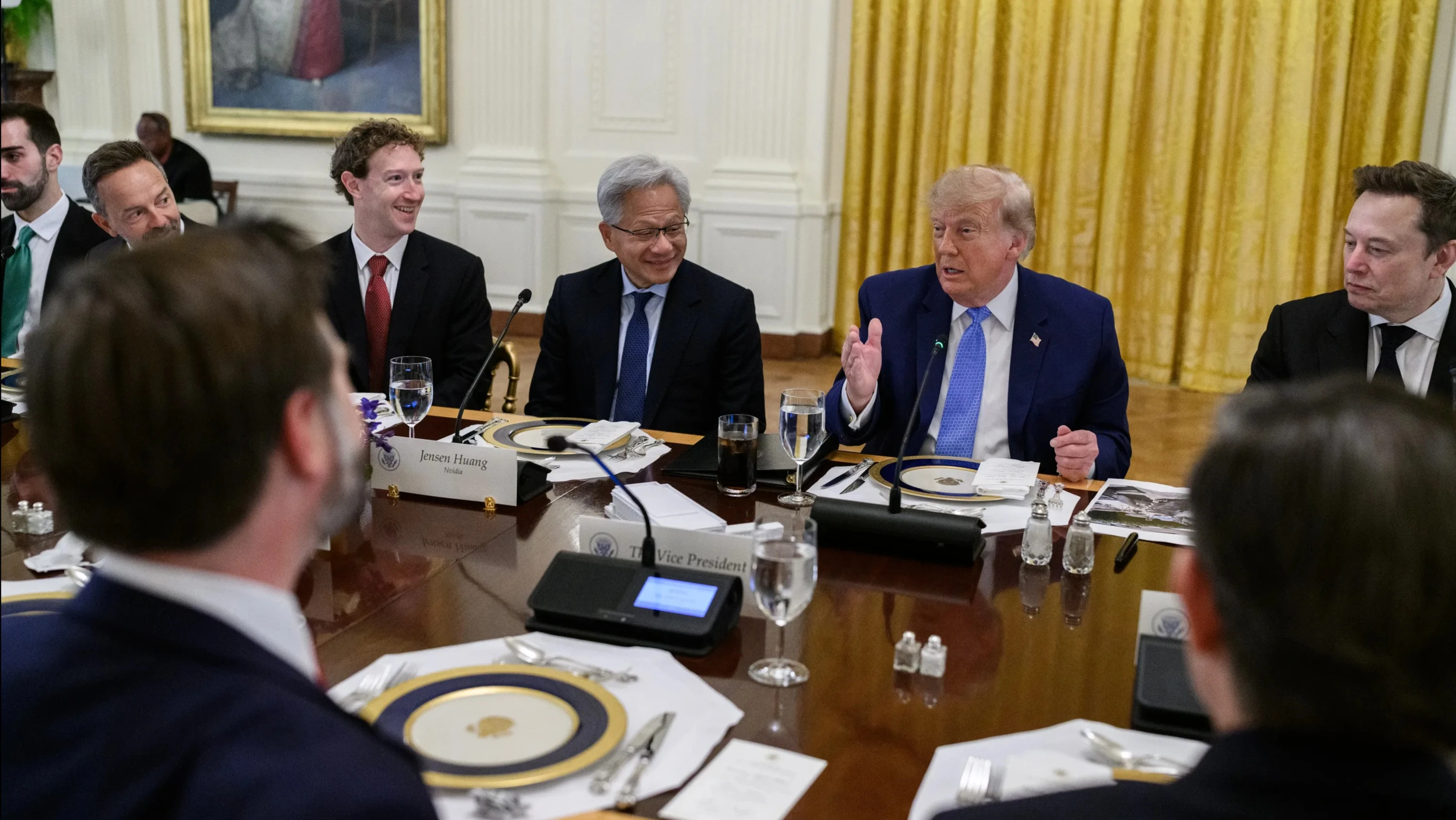
European shares declined in trading on Ma. 4. The main pressure on them was exerted by securities of automakers - investors reacted to the statements of U.S. President Donald Trump about the intention to raise duties on cars imported from the region, Bloomberg writes.
The European index Euro Stoxx 50 on this background fell by 0.2%, the German index DAX rose by 0.2%, the British index FTSE 100 lost 0.1%. The French CAC 40 index fell by 0.6%.
Among the outsiders were car companies: shares of BMW fell by almost 2%, Mercedes-Benz - by 1.7%, Volkswagen - by 1.5%.
What the analysts are saying
After a strong start to the year, growth in European equities is slowing compared to markets in Asia and the US amid the impact of the war in the Middle East on consumer sentiment. This is particularly putting pressure on the luxury sector, including LVMH and Hermès, Bloomberg writes. Overall, European stocks are now under more pressure than their global counterparts, and one reason is weakness in the luxury segment, said Vincent Juvens, chief investment strategist at ING in Brussels.
According to analysts at Bernstein Research, Trump is likely unhappy that the elimination of duties on industrial goods from the U.S., agreed with the European Union in September, has yet to pass through the Xi's lengthy legislative process. Analysts estimate that higher U.S. duties will cut European automakers' profits by 9-21% this year and 11-21% next year, MarketWatch writes.
Trump's decision to increase duties may also be related to his displeasure that some European countries have not supported the U.S. in the war against Iran, Ryan Ma, a former senior U.S. Commerce Department official and now partner at King & Spalding, noted on May 1, Reuters writes. "The EU is not going to like it, and I'm not sure the [Trump] administration cares because they are incredibly negative toward the EU," he added.
Context
U.S. President Donald Trump said on May 1 that he would raise duties on cars and trucks from the European Union imported into the United States to 25%. Moreover, the duties will not affect the production of European brands at factories in the United States, Trump noted.
The US Supreme Court in February limited Donald Trump's ability to use emergency powers to immediately impose duties against trading partners, as it did last year. However, the measures against cars are based on a different legal standard and do not fall under this court ruling, the Financial Times noted.
The United States and the European Union concluded a trade agreement in July 2025. It provided for limiting U.S. duties on most European goods, including cars and auto components, at 15% instead of 25%. In return, the EU pledged to increase energy purchases from the U.S., increase investment and cancel duties on U.S. industrial goods and some agricultural products. However, according to the Financial Times, Washington was dissatisfied with the pace of fulfillment of these commitments by the EU.
This article was AI-translated and verified by a human editor