Eurozone inflation slowed to its lowest in more than a year. What to expect from the ECB?
Core inflation excluding food and energy prices was the lowest since October 2021

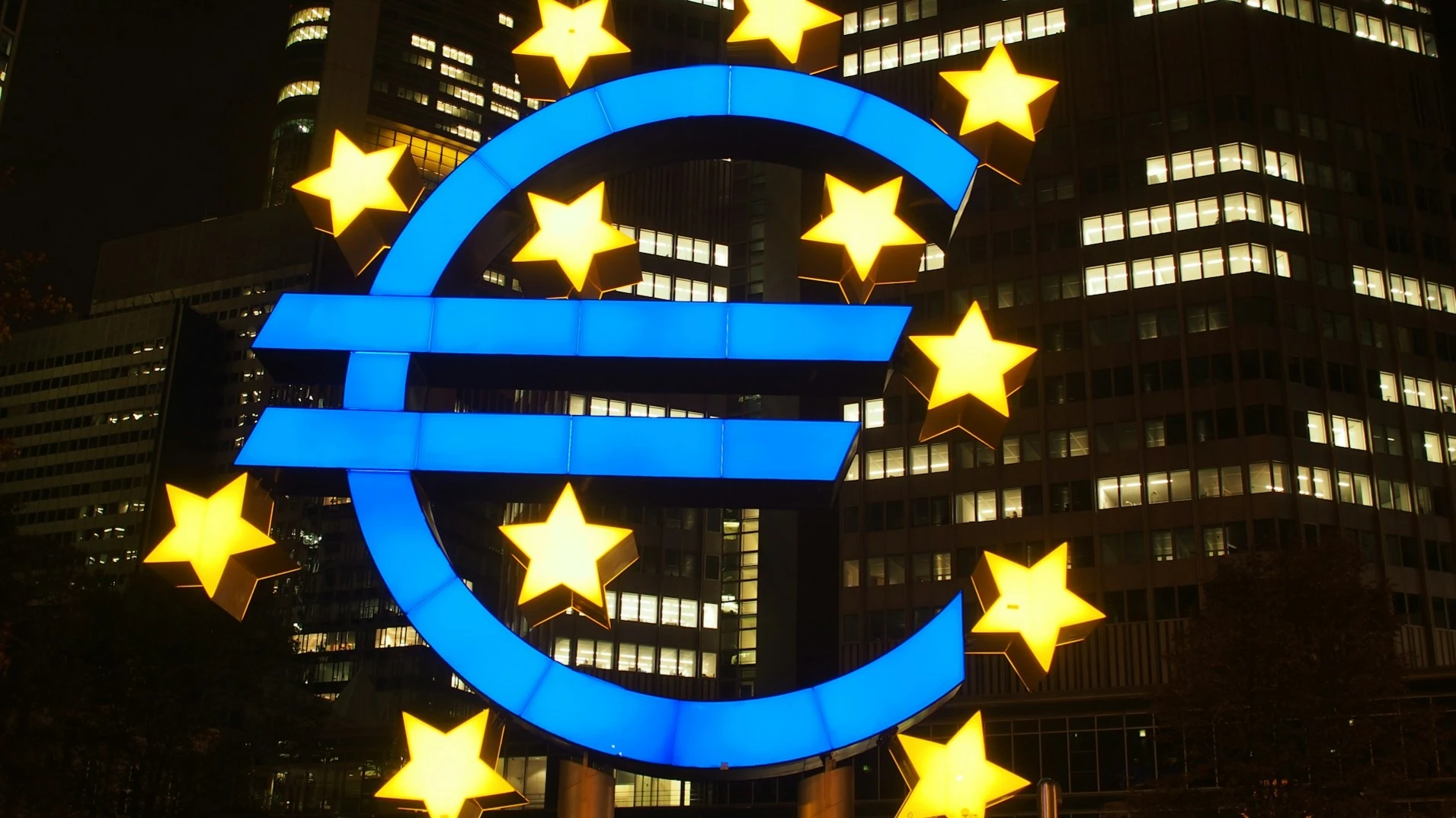
Price growth in the eurozone slowed in January compared to December / Photo: Unsplash/bruno neurath-wilson
Inflation in the eurozone in January, according to preliminary data, amounted to 1.7% in annual terms, Eurostat reported. This is the lowest value for more than a year (since September 2024), which is generally in line with analysts' estimates, Bloomberg noted. Price growth has slowed from December, when it was +2% year-on-year.
Details
In January, services rose in price the most (3.2%), although at a lower rate than in December (3.4%). In second place were food, alcohol and tobacco (2.7%), which, by contrast, accelerated compared to the previous month (2.5%). The cost of energy fell by 4.1%, the only one of the four main categories where prices decreased.
Core inflation, which excludes volatile food and energy prices, unexpectedly slowed to 2.2 percent, the lowest level since October 2021, Bloomberg reported.
The strongest annual inflation was registered in Croatia (estimated at 3.6%) and the lowest in France (0.4%, the smallest in five years).
What does that mean
Annual inflation in the eurozone has fallen below the European Central Bank's target of 2%. This happened in a situation when the ECB is mulling over the next decision on interest rates, Bloomberg noted. The next ECB meeting - the first in 2026 - will be held on Thursday, February 5. Analysts believe that the regulator will leave borrowing rates at 2% for the fifth time in a row, according to Bloomberg.
"Inflation in January may trigger talk within the ECB of additional monetary easing. Slowing price growth in the services sector is likely to be seen as key to sustainably bringing price pressures in line with the [inflation] target of 2%, and some members of the Governing Council may worry that the process is going too far. That, combined with a strong euro, may come up frequently in discussions at this week's meeting," said David Powell, Bloomberg Economics' senior euro zone economist.
Faster growth in the EU economy could lead to higher prices: it added 0.3% in the fourth quarter of 2025 - slightly more than expected, Bloomberg wrote. On the other hand, US President Donald Trump's claims pose risks, the agency added.
This article was AI-translated and verified by a human editor