"Everyone will be an IT guy": entrepreneur Ilya Chernetsky discusses Matt Schumer's essay

IT specialists have only a few years to adapt to the development of AI, says entrepreneur Ilya Chernetsky. Photo: Digineer Station / Shutterstock.com
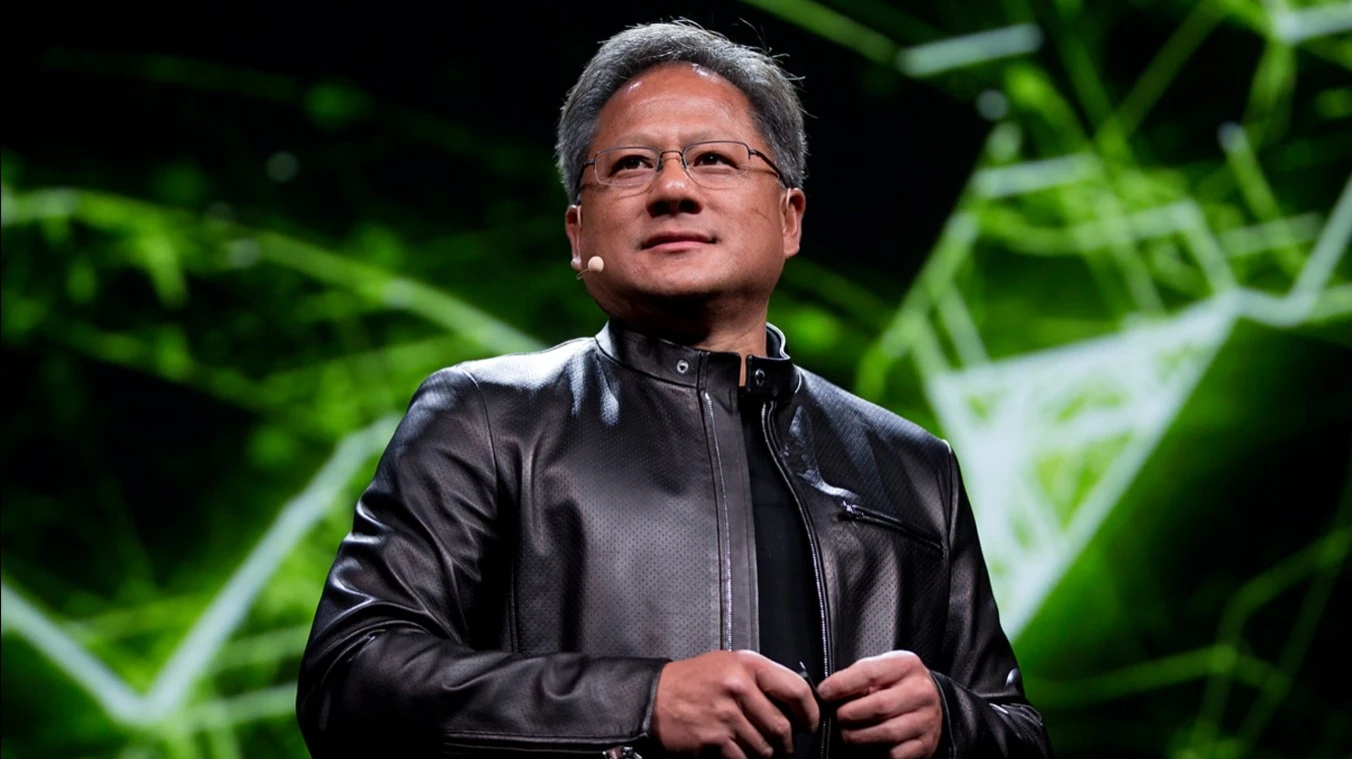
Ilya Chernetsky, creator of the personal finance accounting application CoinKeeper, believes that with the help of AI, everyone can become an IT specialist in the near future. He expressed his opinion after reading a sensational essay by technology entrepreneur Matt Schumer about the threats artificial intelligence poses to people. Oninvest publishes a slightly edited version of Chernetsky's post in his Telegram channel.
Everyone is now discussing entrepreneur Matt Schumer's essay on the threat of AI to people who don't work in the tech sector.
Schumer argues that AI development has reached a tipping point comparable to the onset of the COVID-19 pandemic - transformational change is on the horizon, but most people outside the tech industry don't realize it yet.
What are his key arguments?
First: this is a qualitative leap in AI capabilities. The latest models (GPT-5.3 Codex, Claude Opus 4.6) are fundamentally different from their predecessors. AI is now capable of writing full-fledged applications on its own, testing and refining its code, and making decisions by demonstrating "taste" and "judgment." Schumer writes, "I describe what I want in ordinary language - and it just ... appears."
Second: The pace of progress is accelerating. According to METR, AI's ability to solve problems has been doubling about every seven months, and recently the cycle has shortened to four months. The path from errors in simple arithmetic (2022) to passing the bar exam (2023) to software development (2024) took years.
Third: AI creates AI. OpenAI's latest model has participated in its own creation. Each generation of AI helps build the next - it's a feedback loop with the potential for explosive growth in capabilities.
Fourth: threat to jobs. Dario Amodei, head of Anthropic, predicts that 50% of white-collar entry-level positions will disappear in the next 1-5 years. At risk are law, finance, medicine, writing, design, customer service - essentially all cognitive work behind a screen.
What recommendations does he make?
- Start using AI seriously - a subscription costs about $20 a month for the best tools.
- Integrate AI into everyday work right now.
- Create a financial cushion and flexibility.
- Develop adaptability as a key career skill.
- Return to pent-up hobbies - AI makes many tools available.
Context
Schumer also raises existential questions: super-intelligent AI is both an unprecedented threat to national security and the potential for breakthroughs in medicine and science.
But all of this is basically what I've understood for a long time: 'It's scary, very scary, if we knew what it was, but we don't know what it is'."
I think we IT guys have two or three years at the most to adapt. We can "shovel" SaaS, mobile applications, try to sell it and make money. As always, it will work best for those who sell shovels rather than digging for gold.
And then everyone will be an IT specialist for themselves, or rather, most likely, most SaaS will be replaced by a subscription to ChatGPT and so on. It will have some kind of application section inside, in which instead of chats you will have your personal task-tracker, financial accounting, and everything else, up to your personal Instagram application client.
At first these apps will be created by people like us, but pretty quickly there will be a "make one of these but in a pink and purple color scheme" feature. And that's it, there will be no market. Or rather, there will be no money on it. Software will become the same as e-mail or weather forecast.
Some heavy and critical systems will remain, but they will still be maintained by an order of magnitude, or even two, fewer people.
Remember when music was sold on CDs, that was probably the peak of the music industry's income. Then streaming services came along, and now artists make more money from concerts and advertising than from selling music directly. And I.T. people won't even have that. And what we're all going to do is a very good question.
This article was AI-translated and verified by a human editor