Exxon shares hit record high after Trump criticism. What impressed investors?

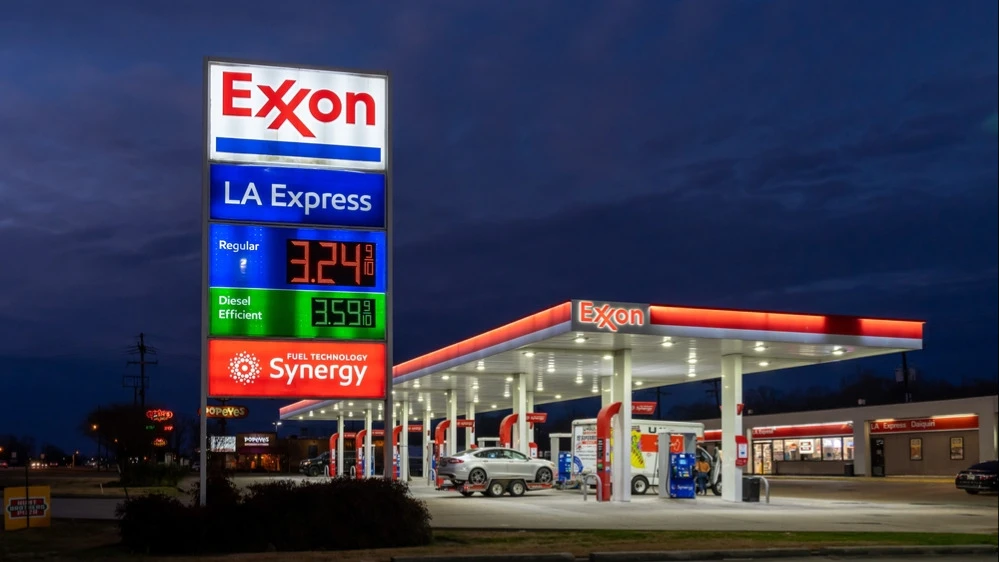
Investors rather welcome Exxon Mobil's decision not to rush to invest in Venezuela's oil industry / Photo: JHVEPhoto / Shutterstock.com
Shares of energy giant Exxon Mobil rose by 2% to $126.5 on Tuesday, January 13, which was their all-time high. The company's shares jumped despite tensions between its management and U.S. President Donald Trump, Barron's said.
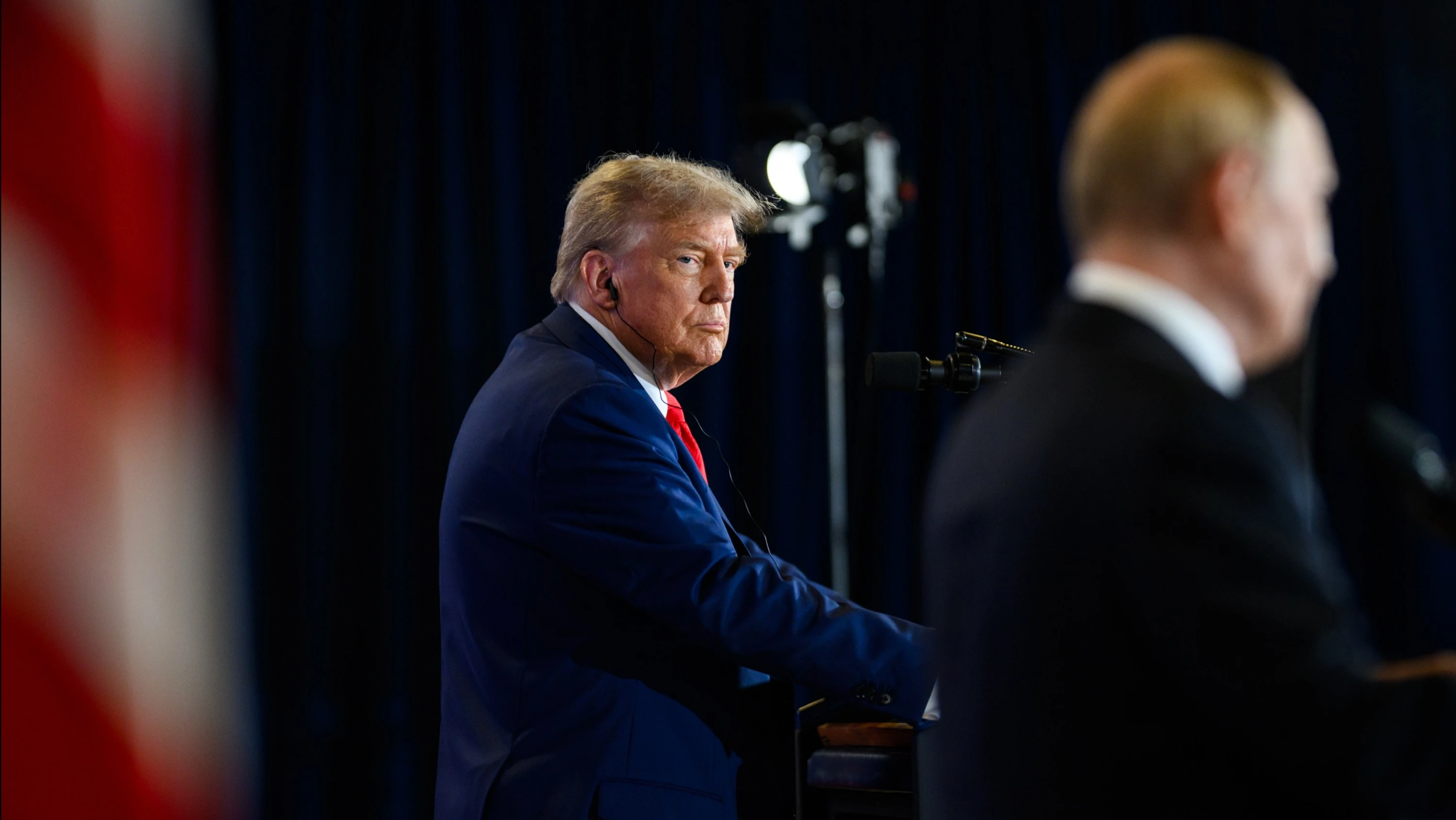
Trump told reporters Sunday that he was "leaning toward keeping Exxon Mobil out" of Venezuela after the company's CEO Darren Woods last week expressed doubts about financing oil production in the country and called it "unfit for investment." During a meeting with Trump and members of his administration at the White House, Woods recalled that Exxon's assets were "twice seized" by Venezuelan authorities, so a return to that market would require significant changes in the legal and commercial environment. The oil giant operated in Venezuela until 2007, when former President Hugo Chavez seized the company's assets. Exxon demanded $16.6 billion in compensation, but returned only $1 billion through international courts.
In an interview aboard Air Force One on Sunday, Trump reacted harshly to Woods' response and said the company was "too slick."
For most companies, being out of favor with the president is an unfavorable position, Barron's notes. But Exxon's caution on Venezuela seems reasonable, and investors reward it for careful capital management, the publication says. Exxon has set a goal of increasing profits by $25 billion by 2030, which is difficult to achieve by investing too much in risky projects without guarantees from the government, Barron's explains. However, the conflict between Trump and Exxon is probably just the beginning of a long negotiation between oil players and the White House, says the publication.
Analysts surveyed by Barron's said Exxon has little incentive to actively enter Venezuela again in the face of falling oil prices and more attractive opportunities elsewhere. And Trump will need significant private-sector support if he really wants to give the industry a boost without spending tens of billions of dollars from the U.S. budget.
This article was AI-translated and verified by a human editor