Oil giants cautiously embraced Trump's call to invest $100 billion in Venezuela

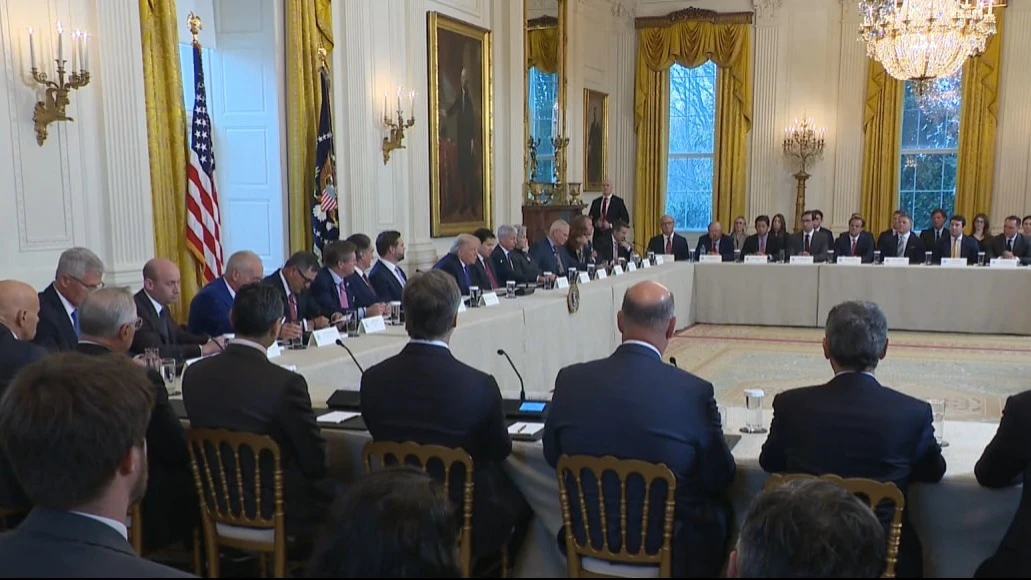
The heads of major U.S. oil companies at a meeting with U.S. President Donald Trump on Friday, January 9, expressed caution about returning to Venezuela, Bloomberg reports .Top managers of Chevron, Exxon Mobil, ConocoPhillips, as well as executives of Halliburton, Valero Energy, Marathon and other players came to the White House. Although many thanked Trump for the opportunities opened after the overthrow of Maduro, big business is in no hurry to make large-scale investments, the agency notes.
Details
Exxon Mobil CEO Darren Woods said at a meeting at the White House that Venezuela is "unfit for investment" in its current form. "There is a whole series of legal and commercial frameworks that need to be put in place to understand at all what kind of returns we can get on these investments," he said. Woods recalled that Exxon's assets "have been seized twice" by the authorities of that country, so "a new return would require very significant changes."
The head of ConocoPhillips, answering the president's question about losses in Venezuela, named the amount of $12 billion, Bloomberg reports.
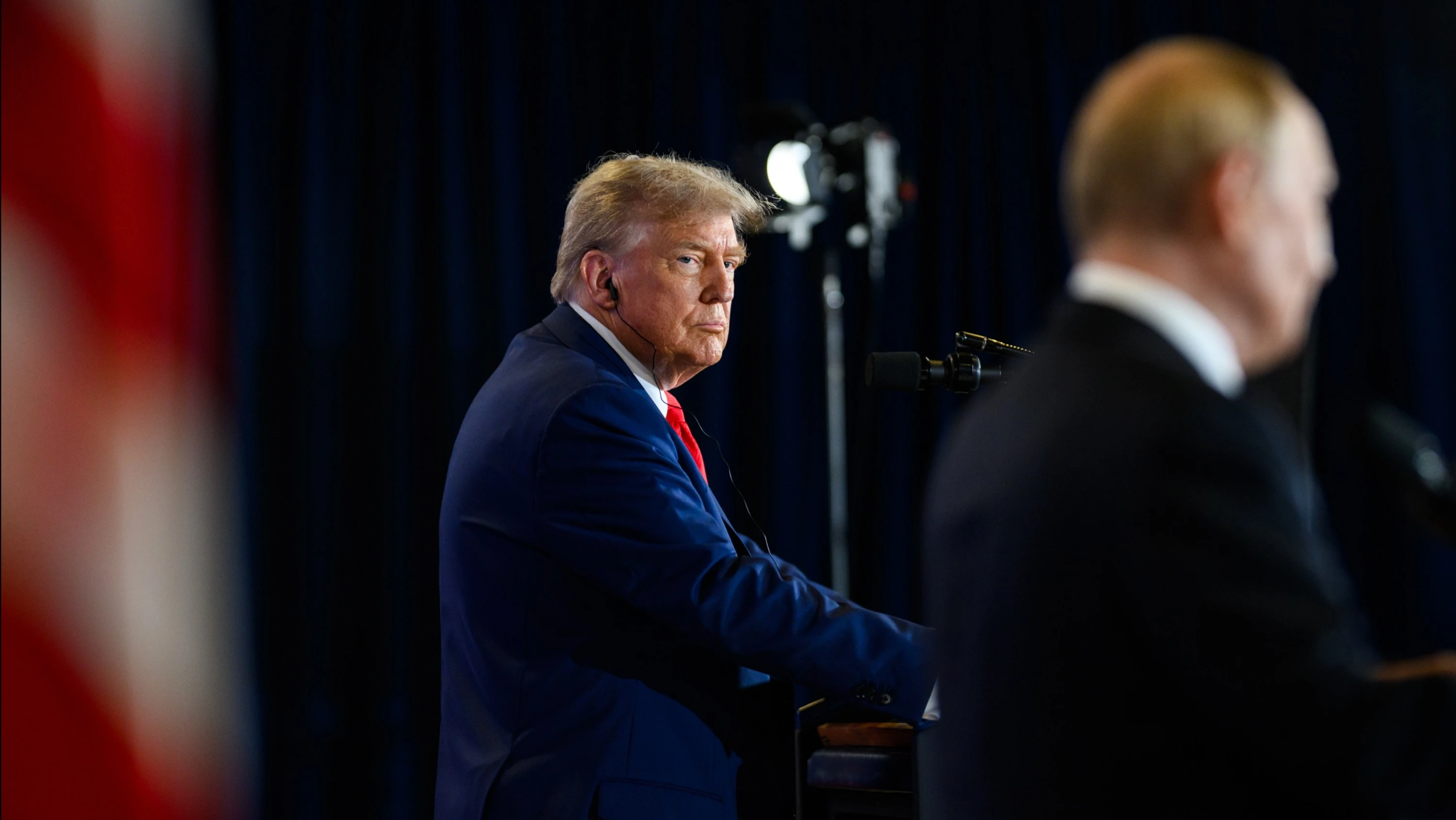
Trump said that oil companies will invest at least $100 billion in the restoration of the Venezuelan energy sector and said that these are business investments, not government subsidies. Top managers insist that the resumption of oil production in Venezuela requires guarantees of security and reliability of contracts, given the previous experience of nationalization of their assets and concerns about stability under the interim government, Bloomberg notes. Trump announced that the guarantees would be provided, but did not specify how exactly. At the same time, he warned that the U.S. would not take into account the past losses of companies that were forced to curtail their operations in Venezuela, the agency writes.
Rystad Energy, cited by CNBC, estimates that more than $180 billion in investment will be needed for that country's production to reach 3 million bpd by 2040.
Who's ready to participate
Bill Armstrong Armstrong, head of Armstrong Oil & Gas, a non-public oil and gas company, said he is "ready to go into Venezuela". The CEO of Spain's Repsol, Josu Jon Imas San Miguel, said his company could invest "today" - provided the necessary commercial and legal framework is in place.
Trafigura Group, a trading company, is preparing to load its first tanker with Venezuelan oil within the next week, Bloomberg reported . Vitol Group also intends to bring crude from that country to market "as quickly as possible." Trafigura and Vitol have received preliminary licenses from the U.S. Treasury Department allowing them to participate in trading the promised oil. Its volume could be as much as 50 million barrels, Trump announced this week. Sales are expected to begin on Monday, Bloomberg writes.
What's up with oil prices
Oil prices rose in trading on January 9: futures for Mark Brent added about 1.7%, exchange contracts for North American WTI - about 1.8%. They were influenced not only by the uncertainty with supplies from Venezuela, but also the risks of possible disruptions in production in Iran, where large-scale protests against the economic situation are held, explains CNBC. An additional factor in the rise in prices was the statement of OPEC+ delegates that at a meeting on Sunday they still do not intend to increase production in the first quarter, which will alleviate the painful global oversupply,reports Bloomberg.
Now that the initial shock of Venezuelan President Nicolas Maduro's ouster has been replaced by fears of reduced oil flows from the Middle East, hedge funds have increased bullish bets on WTI to the highest level since early August, the agency said. Asset managers brought their long position in WTI to 151,433 contracts in the week ended Jan. 6, the regulator's data showed.
Nevertheless, global oil inventories are rising and oversupply remains the main factor that could limit the price rise, brokerage firm Haitong Futures reminds, its assessment cited by CNBC.
This article was AI-translated and verified by a human editor