Fed may delay rate cuts due to oil shock, Morgan Stanley warned
That said, the bank did maintain its forecast for a rate cut at the Fed's June meeting

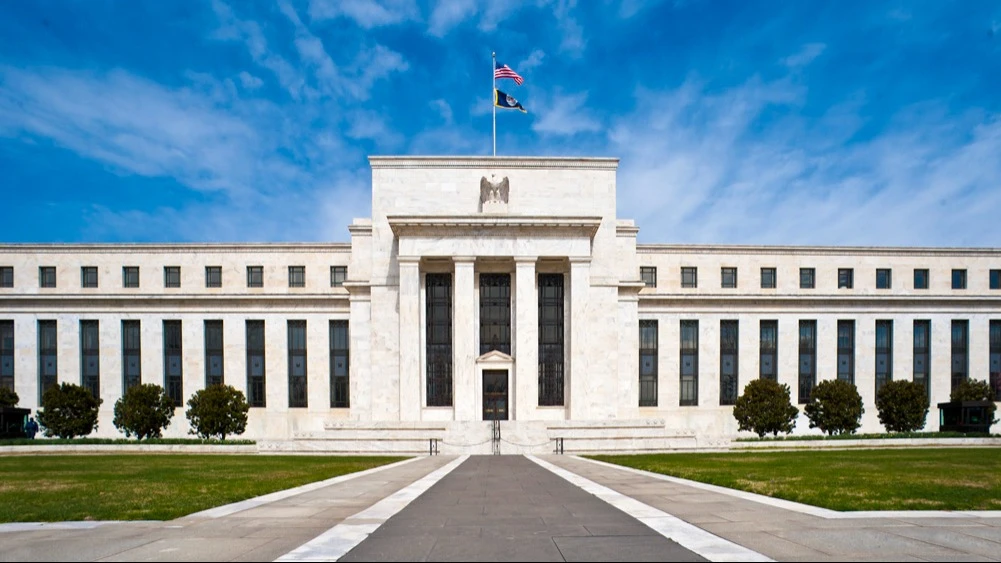
The Fed may cut rates as early as June despite the oil shock, according to Morgan Stanley/Photo: federalreserve.gov
Morgan Stanley warned investors about the risk that the U.S. Federal Reserve may postpone the resumption of interest rate cuts because of the sharp rise in oil prices due to the war with Iran. About it writes Bloomberg.
Details
The bank maintained its forecast for two rate cuts this year - in June and September by 0.25 percentage points each. However, the bank warned that the regulator may postpone the first cut until September or even December, which would result in the next cut occurring as early as 2027.
"If the Fed listens to its history, looks beyond oil-induced price pressures and delivers earlier-than-expected [monetary policy] easing, then we believe we will be in a good position," wrote Morgan Stanley chief economist Michael Gapen and his colleagues (quoted by Bloomberg).
Unless oil prices return to pre-war levels around $70 a barrel, the impact on inflation in 2026 will be more pronounced, and unemployment could remain slightly higher through the end of 2028, Morgan Stanley said.
"The Fed will reduce this tension under its dual mandate by easing [monetary policy] more strongly than previously planned. Consequently, the second risk to our monetary policy outlook is that the Fed will cut [rates] later but more strongly," the bank said in a note.
Context
Oil prices resumed growth in trading on Wednesday, March 11. The cost of Brent rose by 6% - above $93 per barrel, the U.S. grade WTI rose by more than 5% - almost to $89 per barrel.
The International Energy Agency (IEA) announced the release of 400 million barrels of oil from reserves: this is the largest volume in history. In addition, the United States will also tap its reserves, President Donald Trump said.
This article was AI-translated and verified by a human editor