Freedom names biggest small-cap winner and loser in last two weeks

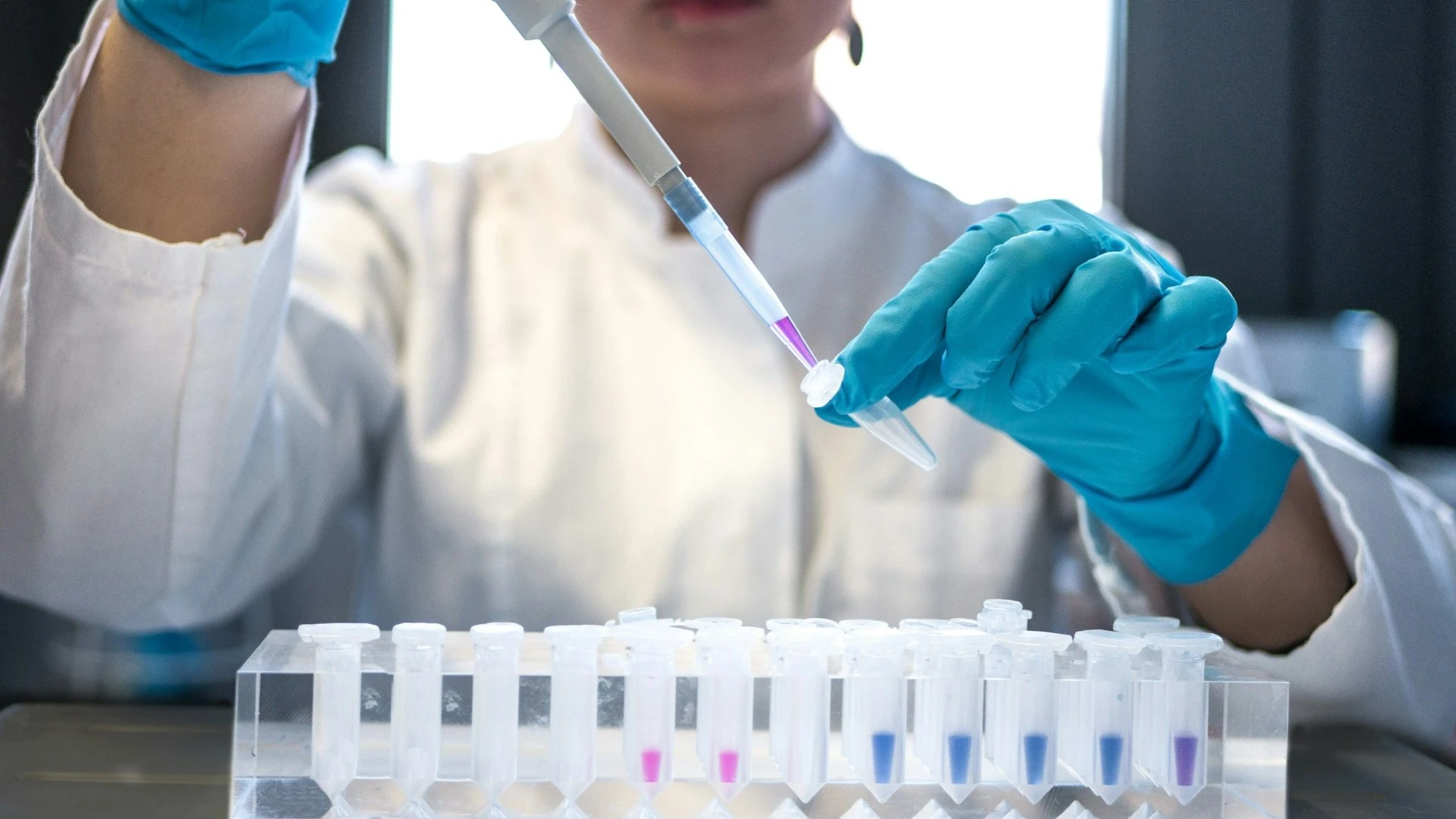
Successful clinical trials have boosted Corvus Pharmaceuticals quotes. / Photo: Unsplash / Julia Koblitz
Freedom Broker has named the two stocks from the smid-cap-tracking Russell 2000 index with best and worst performance from January 9 through January 22. The former was recorded by Corvus Pharmaceuticals, which is developing a drug for atopic dermatitis, while the worst performer was Trinseo, a producer of specialty materials for the construction and automotive industries.
Best performance: Corvus Pharma
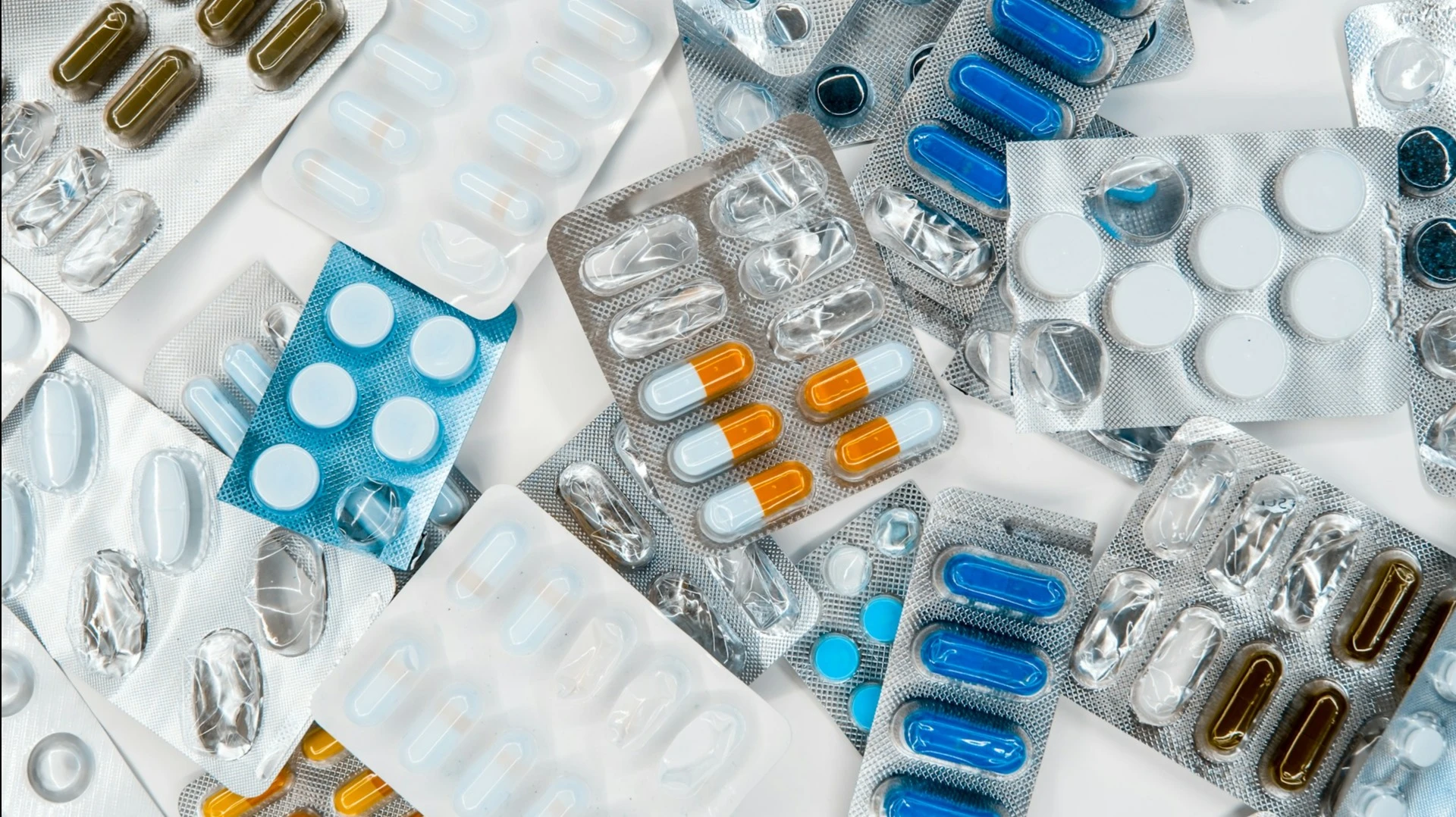
The main driver behind the rally in Corvus shares in January 9-22 was the company’s announcement on January 20 of what Freedom described as “convincing data" from early-stage clinical trials of its oral drug for atopic dermatitis. Freedom highlighted the results in a dedicated report on small and micro caps (seen by Oninvest). Corvus has positioned the drug as potentially best in class. Trial results showed that it outperformed both placebo and existing therapies across key indicators. In addition, outcomes at week eight were better than at week four, which Freedom said may point to potential for long-term use.
In the first trading session following the data, the same day, Corvus shares surged 166% to $21.40 per share. Over the following four sessions, the stock added another 17.2%. By the close on Friday, January 23, one share was trading at $25.10.
The rally has prompted several Wall Street analysts to revise their target prices, according to Yahoo Finance data. H.C. Wainwright raised its target price nearly 2.5-fold to $27 per share, implying upside of 7.6% versus the close on Friday, January 23. Barclays lifted its target by 75% to $28 per share, or 11.6% above the last close. Jefferies took the most bullish view, raising its target price 3.2-fold to $42 per share, which implies upside of 67.3%.
Corvus shares currently carry seven analyst ratings, all “buy,” according to MarketWatch data. The average target price of $28.80 per share implies upside of nearly 15% from current levels.
Worst performance: Trinseo
The decline in Trinseo shares in January 9-22 was driven primarily by a sharp deterioration in fundamentals and elevated delisting risk, Freedom argued.
In its third-quarter report released in November, the company reported a 14.4% year-over-year decline in net revenue to $743 million and a 26.4% increase in net loss to $110 million. During the quarter, Trinseo experienced unplanned downtime at several facilities. As a result, the company decided to repurpose a facility in Italy and close one in Germany. These measures will require investment of $60-70 million in 2026, which the company expects to recoup over the following three years.
Trinseo has consistently reported results below expectations on both revenue and net income, while its debt burden remains heavy, with the debt/asset ratio approaching 1, Freedom wrote.
In mid-December, Trinseo also received formal notice from the New York Stock Exchange stating that it no longer met minimum share price and market capitalization requirements. This heightened selling pressure and added to investor uncertainty, Freedom noted.
Wall Street remains cautious on the stock, according to MarketWatch data. Trinseo shares currently have three analyst ratings, all “hold.” Three months earlier, the stock had four ratings, including one “buy” and three “hold.” The average target price of $0.83 per share implies upside of nearly 75% versus the Friday closing price of $0.48 per share.