Fundstrat's Tom Lee predicted US equities to have "one of the best periods" in history
Private investors are exiting the cache, which may signal the end of the period of "political uncertainty" caused by the conflict in Iran

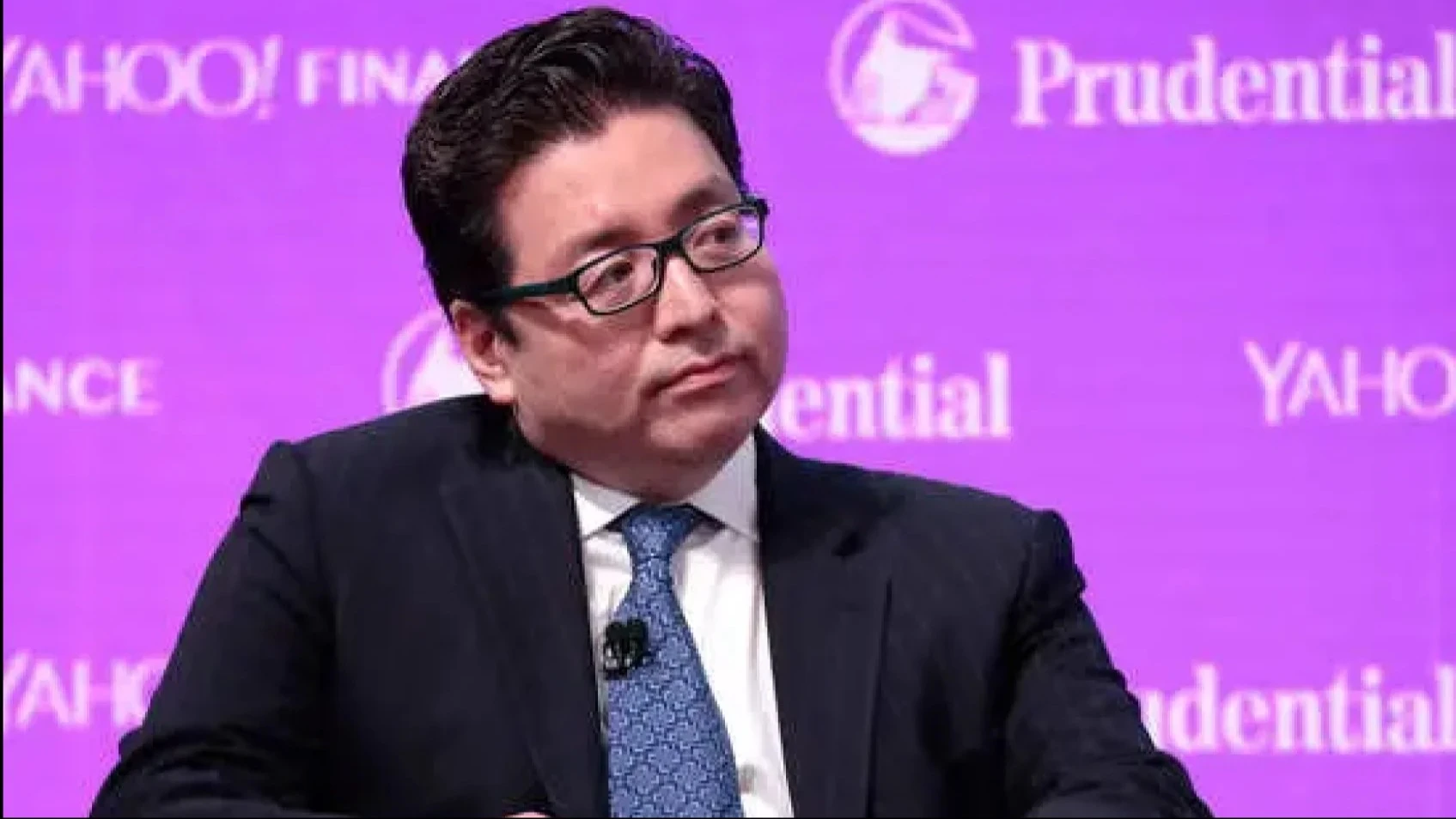
Tom Lee remains bullish on US stocks / Photo: Fundstrat
Fundstrat's head of research Tom Lee believes that the next 18-24 months "could be [for the U.S. stock market] one of the best [periods] we've ever seen in our lifetimes." In an interview with CNBC, cited by Seeking Alpha, the strategist said that private investors could be the driving force behind the next stage of the U.S. stock market rally - as they begin to return capital to equities after a period of caution caused by military action in the Middle East.
Details
The U.S. stock market and, in particular, the broad index of U.S. stocks S&P 500, despite the recent achievement of new historical highs, Tom Lee still considers "growth index" for investors from around the world, looking for opportunities, writes Seeking Alpha. The strategist maintains his recommendation to "actively buy" (overweight) U.S. securities.
Combined with America's continued leadership in technology, healthcare and fintech, "the relative position of the U.S. has only strengthened amid [what bottlenecks] the war [in the Middle East] has revealed in supply chains," Lee pointed out. He expects that rising U.S. corporate profits and increasing multiples could push markets higher, predicting that the coming 18-24 month period "could be one of the best we've ever seen in our lifetimes."
Moreover, retail investors will lead the next stage of growth of the U.S. stock market, the analyst believes: although investors initially retreated amid the escalation of the conflict between the U.S., Israel and Iran, now they "begin to take money out of the cache and buy stocks," Lee said.
He attributed the market's initial reaction to the fact that investors "didn't realize how big this war could become" and feared that spikes in gasoline prices amid rising oil costs could trigger a recession. "I think investors saw the war and the outbreak of the war as a time to de-risk," Lee said, pointing to the sell-off in shares of software developers in February and the "Magnificent Seven" tech giants. However, while retail investors stayed on the sidelines, hedge funds started acting early, again adding risk to their portfolios. The activity of institutional players paved the way for retail investors to accelerate their participation in the stock market, the strategist noted, emphasizing that this trend is also supported by Fundstrat's client surveys. Now "the major catastrophic risks associated with the war have been eliminated," Lee believes.
What other analysts are saying
Analysts at JPMorgan on April 21 also raised their forecast for the S&P 500 Index to end 2026 at 7,600 points, attributing this to rising earnings for AI and technology-related companies. This target implies a nearly 7% rise in the S&P 500 relative to the close on April 20.
Goldman Sachs Group CEO David Solomon on April 21 pointed out that the risk of a U.S. recession could increase depending on how Donald Trump's administration responds to the war with Iran on social media. The likelihood of an economic downturn could change "with just one tweet," Solomon noted in an interview at the Paley Center in Manhattan, adding, however, that current recession forecasts remain quite low (quoted by Bloomberg).
Context
The S&P 500 hit a new all-time high last week, rising above 7,100 points, amid de-escalation in the Middle East and Iran's announcement that it was ready to open the Strait of Hormuz to commercial ships. However, it retreated from its high after the weekend's events, in which the key waterway for energy exports still remained blocked by Iran and the U.S. - which captured and damaged an Iranian vessel attempting to break the U.S. military blockade. In trading on April 21, the S&P 500 fluctuated around 7085-7130 points.
This article was AI-translated and verified by a human editor