"Nobody rings a bell at the bottom": Tom Lee on what's behind the S&P 500's record-breaking performance


Retail investors missed the turnaround but could be a driver of further market growth, says Tom Lee / Photo: Fundstrat
The sharp market reversal after the collapse on the background of the Iranian crisis occurred without any catalyst, said Tom Lee, co-founder and head of research at Fundstrat analytical firm. Investors simply stopped reacting to negative news, he said in a video review of Macro Minute, the main theses of which are cited by MarketWatch.
The broad market index S&P 500, as well as the technological Nasdaq Composite, on Thursday, April 16, updated intraday historical highs. The day before, both indices ended the session at record levels for the first time since January. Investors are increasingly ignoring the possible consequences of a protracted war with Iran and remain optimistic in anticipation of a new batch of corporate reports, comments MarketWatch.
At the same time, the S&P 500 was at its low before the reversal only on March 30, when it fell to 6344 points. That low was not accompanied by any event that could be a trigger for growth. "Nobody rings a bell when the market reaches a market bottom," Lee said.
He said retail investors were unprepared for such a quick rebound, expecting a more protracted recovery. Instead of buying back the drawdown, as hedge funds do, they actively sold stocks and built up cash holdings. And even as the market began to turn around, private investors remained bearish, missing out on much of the upside, Fundstrat's co-founder said.
Now, according to Lee's assessment, it is the retail market participants that may become the "fuel" for further recovery. First, there is the "fog of war" effect: as in World War II, the market tends to bottom early in the conflict. Second, private investors tend to wait for good news, while the bottom is usually reached on the back of bad news. Separately, Lee points to the fundamental support for current growth: military spending is having a positive impact on the economy, and this is already reflected in higher corporate earnings forecasts.
Fundstrat expects segments that have already been outperforming since the conflict began to lead the recovery. Among them, Tom Lee names the technology sector - primarily the "Magnificent Seven" - as well as cryptocurrencies, along with industrial and financial companies, which he considers the most attractive for buying at market lows.
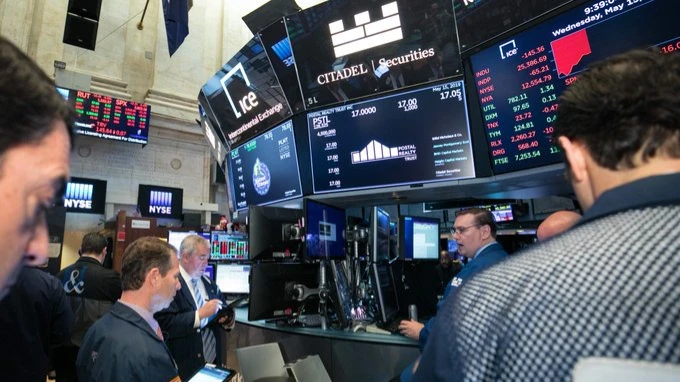
Citadel Securities strategist Scott Rubner noted that retail investor activity has already begun to recover in recent trading sessions, with a growing share of transactions in individual stocks versus funds and indexes, MarketWatch reports. The behavior of individual traders could be influenced by the tax factor - the need to pay taxes after a strong stock market rally in 2025, Rubner explains.
This article was AI-translated and verified by a human editor