"Geopolitics isn't going anywhere": defense stocks in Europe hit a high
They have risen for the fifth consecutive day

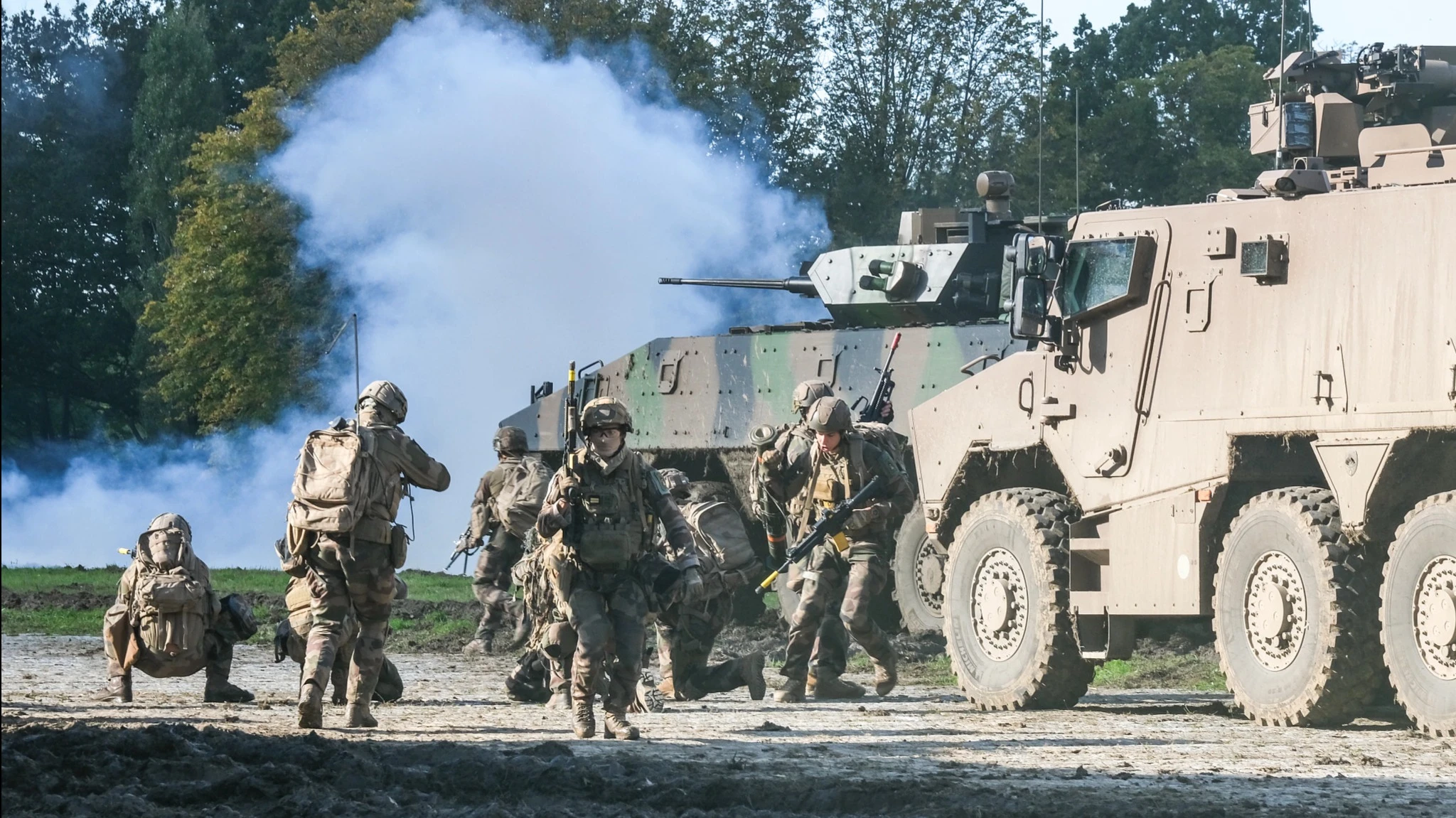
European defense stocks hit a record high amid escalating geopolitical tensions from Venezuela to Greenland, Reuters noted.
Details
The STOXX European index of aerospace and defense stocks, showing gains for the fifth consecutive day, added almost 2% at the beginning of the trading session on January 8, reaching an all-time high, 3035.43 points. The index, the agency notes, has already added 13% during the five-day rally to 2026 and more than 260% since Russia invaded Ukraine in 2022.
In particular, securities of the largest manufacturer of heavy machinery and armaments in Europe, the German concern Rheinmetall AG at the maximum added 2.48% on January 8, the largest defense company of Great Britain BAE Systems grew by 1.35%,one of the largest machine-building holdings in Italy Leonardo grew by almost 2%, Swedish aircraft and defense company Saab AB added 1.5%, securities of French defense company Thales grew by 7.79%.
"Investors are starting to realize that the threat of geopolitics is not going anywhere," Peter McLean, head of multi-asset portfolio solutions at Stonehage Fleming Investment Management, commented to Reuters. - While military action in Greenland is unlikely, there is clearly a desire in Europe to increase defense spending," he added.
Context
Growth was also demonstrated by large American defense companies. After yesterday's daily drop amid US President Donald Trump's statements about a possible ban on dividends and buybacks for defense companies, RTX added 4.44% at the pre-market on January 8, shares of Northrop Grumman Corporation rose by 7.6%, and securities of US drone manufacturer AeroVironment jumped by 8%. Yesterday's drop on January 8 is likely to be offset amid Trump's statements on increasing US defense spending, Barrons notes. Late on the evening of January 7, the US president wrote in Truth Social that "in these turbulent and dangerous times" the US military budget for 2027, he estimates, "should be $1.5 trillion, not $1 trillion."
This article was AI-translated and verified by a human editor