GM beats earnings forecast by 45%. Will chip shortages and oil prices become an issue
Shares of the auto giant rose more than 1% after the report

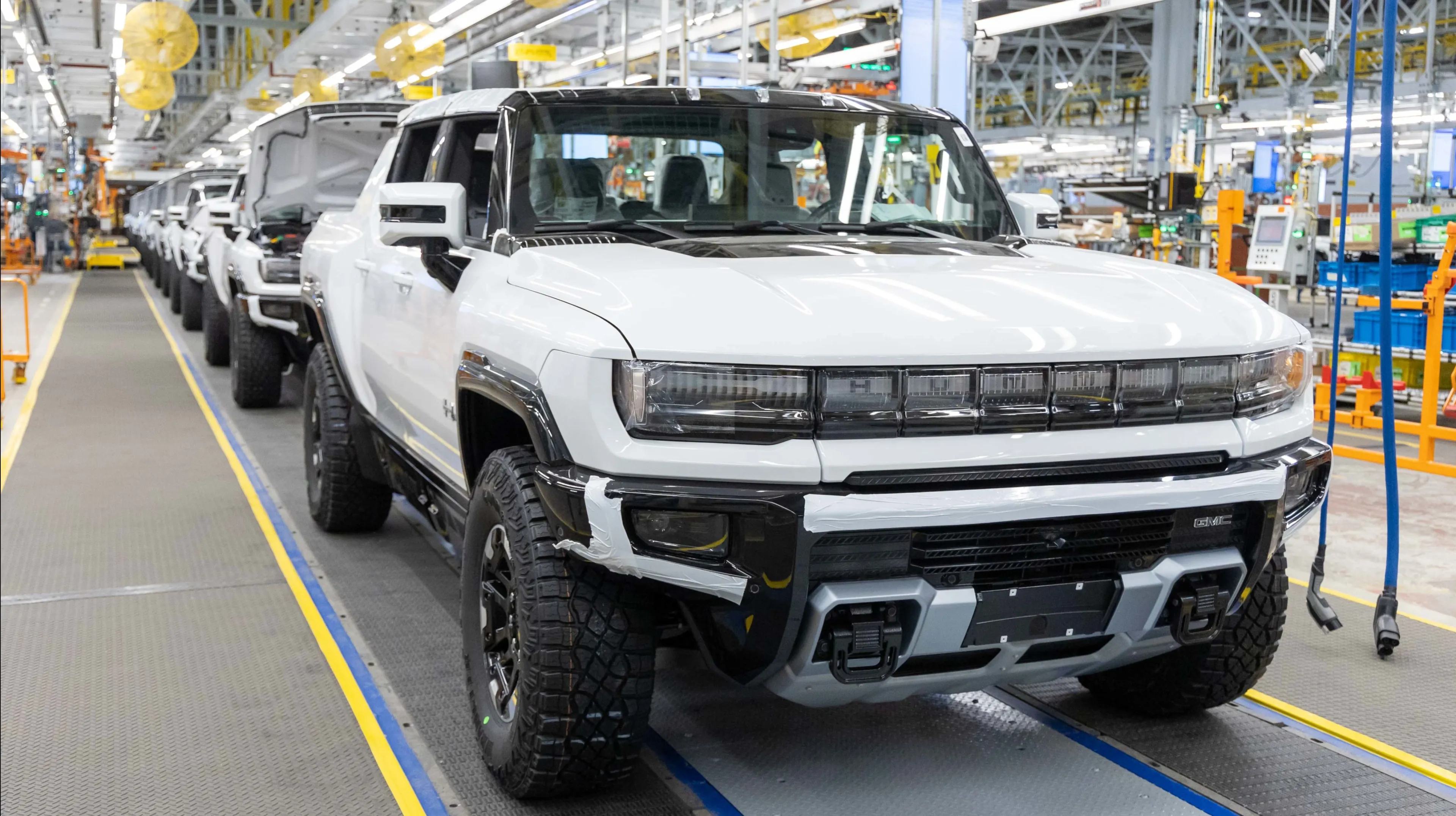
GM reported first quarter 2026 results / Photo: news.gm.com
U.S. auto giant General Motors, which owns the Chevrolet and Cadillac brands, nearly halved Wall Street's profit expectations in the first quarter. At the same time, the number of cars sold collapsed 10%, and demand for electric cars fell twice as hard. Investors are now weighing the risks of an oil shock from the U.S. war with Iran and a chip shortage.
Details
General Motors' operating profit for the first quarter of 2026 amounted to $4.3 billion. This is immediately 43% above analysts' forecast of $3 billion, notes Barron's. The result includes an expected $500 million refund of duties paid after President Donald Trump's U.S. Supreme Court struck down President Donald Trump's import fees, The Wall Street Journal writes. The result was also affected by the exclusion from the results of $1 billion that the company spent to relaunch its electric vehicle production program, the newspaper added.
Adjusted earnings per share totaled $3.7, above analysts' expectations by nearly 42%, MarketWatch notes. Net income fell 5.7% from last year's results to $2.6 billion. Sales, meanwhile, fell 9.7% to 626,429 vehicles. Demand for electric cars collapsed 19%, Yahoo Finance noted. However, GM's revenue slightly exceeded Wall Street's expectations: $43.6 billion versus $43.5 billion, Barron's reports.
The automaker also raised its full-year 2026 operating profit forecast by $0.5 billion: it's now in the range of $13.5 billion to $15.5 billion. But net income expectations fell slightly, from $10.3 billion to $11.7 billion to $9.9 billion to $11.4 billion.
What influenced the results
The drop in sales of almost 10% can be explained by two factors: the high base effect - in March 2025 buyers bought cars en masse amid fears of duties - and an abnormally harsh winter in early 2026, says Barron's.
Inflation remains a problem for the company, with annual increases in commodity costs ranging from $1.5 billion to $2 billion. At the same time, the automaker's CFO Paul Jacobson emphasized the sharp rise in the cost of memory chips, Barron's reports.
Investors are also worried about how higher oil prices could affect auto demand trends, Barron's writes. The cost of oil, which has risen because of the war in the Middle East, has affected GM's rising costs, but the automaker has yet to see a change in demand for large SUVs and pickup trucks, The Wall Street Journal writes. Still, the U.S.-Iran war has driven up raw material costs and disrupted logistics supplies, the WSJ writes. GM's bet on large vehicles could become risky if high gasoline prices cause buyers to favor more fuel-efficient and affordable models, Yahoo Finance said.
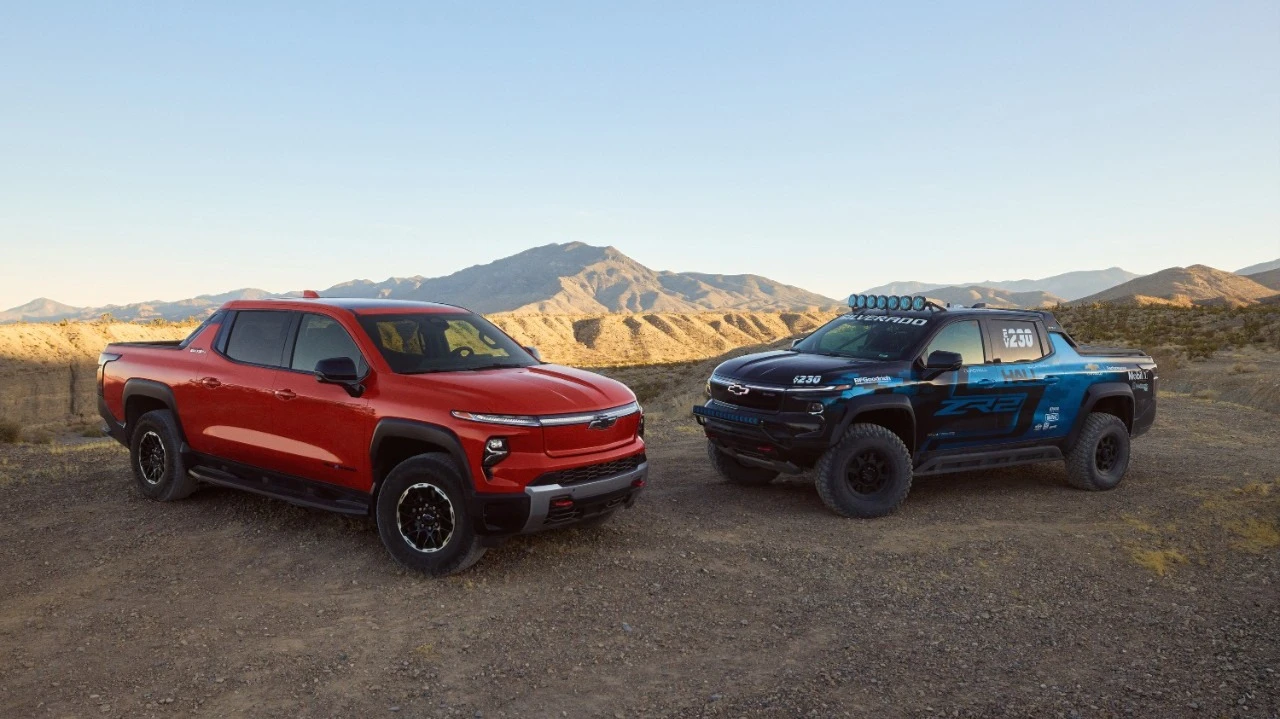
Electric vehicles remain a major cost item, with GM recording $1.1 billion in additional electric vehicle costs in the first quarter and a cumulative loss of more than $7 billion over 2025, Barron's notes.
What the analysts are saying
Wall Street experts were generally positive about the carmaker's results.
"[The GM team] is skillfully navigating this very challenging environment over duties and electric vehicles while finding alternative high-margin sources of revenue," Wedbush analyst Daniel Ives said in a Marketwatch statement.
GM's results "exceeded expectations," wrote Barclays analyst Dan Levy, quoted by Barron's. Citi analyst Mike Ward believes GM's positive momentum continues: he is particularly impressed with the margins of the North American business, Barron's reports.
Even before the publication of the quarterly report, BofA Securities analyst Alexander Perry noted that comments from GM management indicate "the most stable start to the year they've seen in five years," Barron's also wrote. Separately, Perry singled out the large truck platform, which "exceeded expectations."
What about the stock
General Motors shares were up 1.3% at the close of trading on April 28, but remain down 2.9% year-to-date through early 2026.
Nevertheless, most analysts, according to MarketWatch, recommend the auto giant's securities to sell: 20 out of 28 analysts put a Buy and Overweight rating, another six take a neutral stance and two analysts recommend selling, putting a Sell rating.
This article was AI-translated and verified by a human editor