Gold and the euro soared after Trump's words that the dollar is "doing great"
The precious metal broke through $5200, the euro jumped to its highest against the dollar in nearly five years

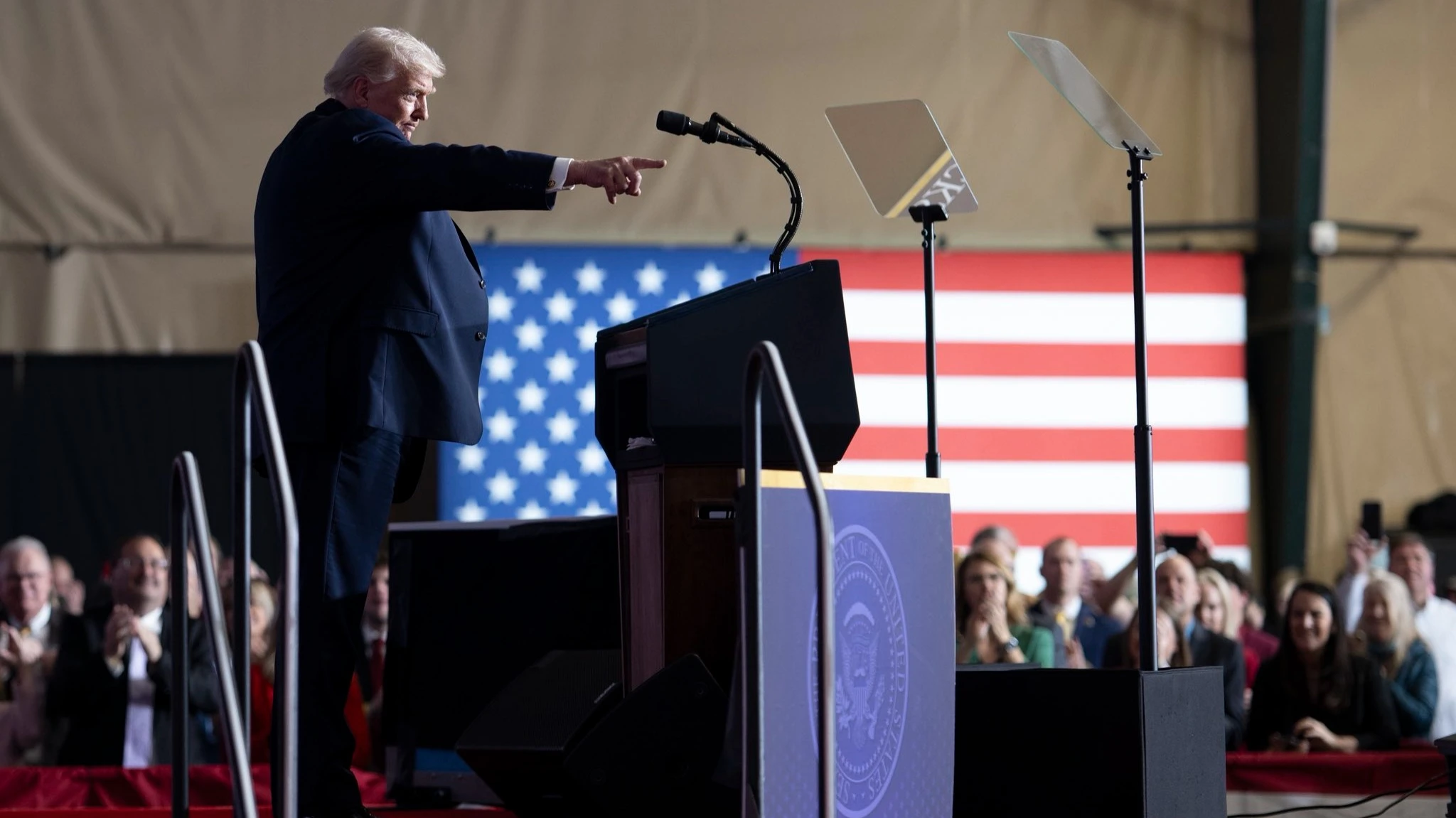
Trump's statement at a meeting with voters in Iowa heightened investor fears about the dollar / Photo: x.com/WhiteHouse
Gold prices reached another all-time high, and the rotation of capital from the dollar to the euro accelerated amid increased risks of depreciation of the U.S. currency. Concerns in the currency markets were reinforced by the reaction of U.S. President Donald Trump to the sharp decline in the dollar in recent days.
Details
Gold on January 28 broke through the level of $5200 per troy ounce for the first time after rising more than 3% a day earlier. The euro-dollar exchange rate exceeded 1.2, which has not been seen since June 2021. Investors reacted by fleeing from the dollar into defensive assets to Trump's words that he was not alarmed by the weakening of the U.S. currency, the Financial Times wrote.
The dollar fell to a four-year low against a basket of major currencies. Trump was asked at an event in Iowa if he was worried about the dollar's fall, to which he replied, "No, I think it's great." He added: "Look at the value of the dollar. Look at the business we're doing. The dollar, the dollar is doing great," the FT quoted Trump as saying.
What the analysts are saying
"(Gold's rise) is driven by a very strong inverse correlation with the dollar, and yesterday's rise in gold prices during the U.S. session was driven by Trump's remarks on the dollar, which implied that there was a broad consensus in the White House in favor of a weaker U.S. currency going forward," Reuters quoted OANDA analyst Kelvin Wong as saying.
"Gold's Xi and the dollar's weakness reflect serious doubts about Trump's chaotic and spontaneous policies," said Trevor Greetham, head of multi-asset investments at Royal London Asset Management. Analysts at MUFG added that while concerns about US policy direction are growing, the euro is "capitalizing on its anti-dollar role," the FT reported.
What to expect from the dollar
Pressure on the US currency is exerted by a combination of negative factors, including the risk of a partial shutdown of the US government (shutdown) as early as this Saturday. Market participants are also concerned about the uncertainty regarding the candidacy of Jerome Powell's successor as head of the Federal Reserve System and the growing tension in Washington's relations with NATO allies.
Senior currency strategist at Barclays Lefteris Farmakis notes that the Greenland issue has increased the risk premium for the dollar, and the revision of the current world order is becoming a "long-term negative factor" that encourages investors to exit dollar assets. In JPMorgan Chase also remain pessimistic about the prospects of the U.S. currency, believing that in 2026, "the preconditions for a bearish mood on the dollar remains in force," writes FT.
This article was AI-translated and verified by a human editor