Gold has risen more than $1000 since the start of the year: who is behind the rally?

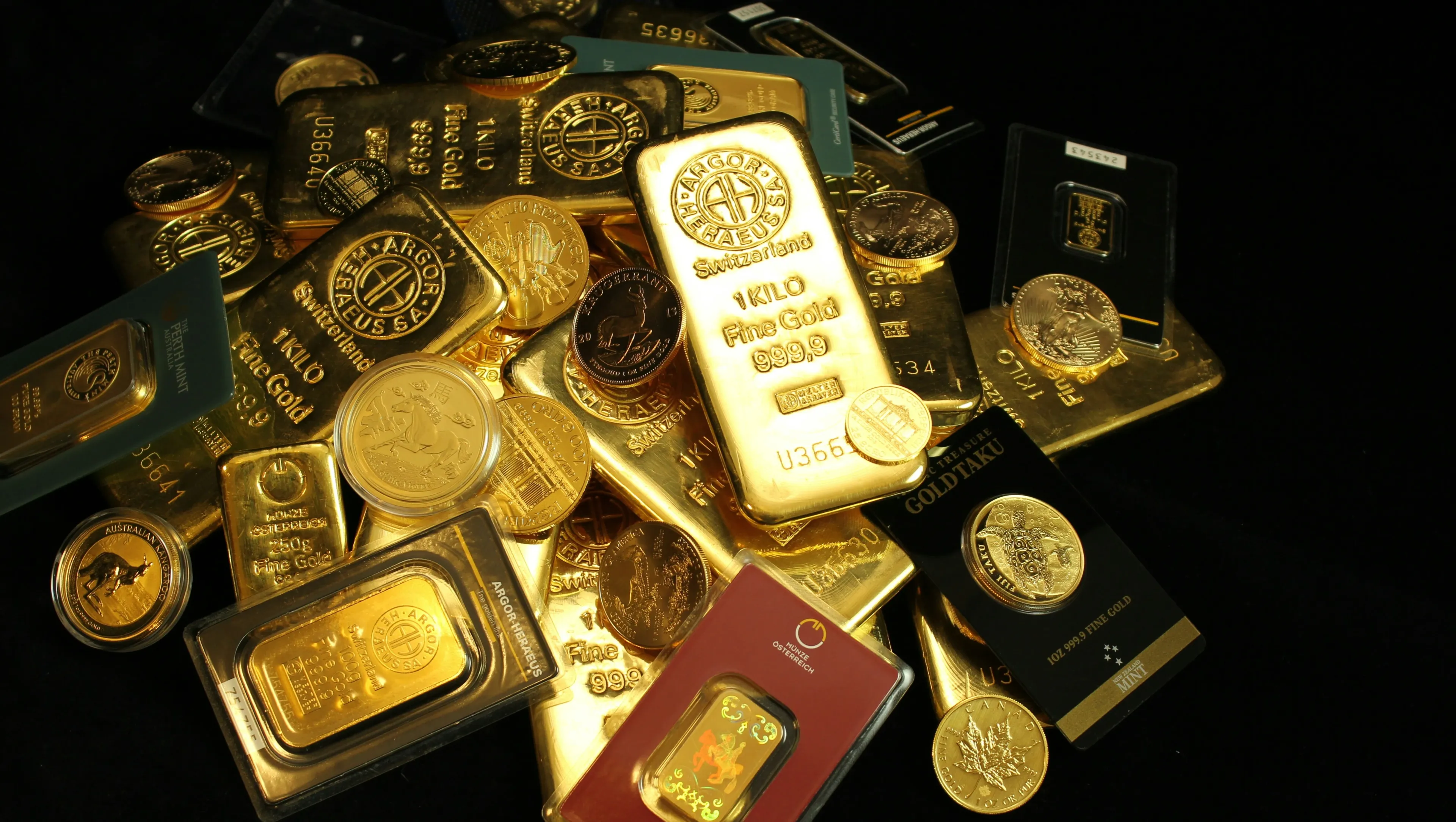
The share of euro, pound and yen in the total is already lower than that of gold: such a large bet on precious metals creates potential risks for central banks. Photo: Zlaťáky.cz
In the first month of 2026, the gold price rose more than 27%. The rally continues even in the absence of hot geopolitical news, which traditionally support geopolitical risks. Valery Emelyanov, an analyst at Movcchan's Group of Investment Management Companies, discusses what is really behind such a rapid growth.
Who is to blame for rising prices
The main precious metal spectacularly broke through the $5000 mark this week and consolidated above $5500, beating most forecasts of global investment houses. A year ago, few of them were betting that gold would reach at least $4000 per ounce, and most of them did not dare to set a target even at $3000.
Traditionally, the market has many versions of what was the main driver for gold's rise. Most of them are inclined to the fact that the general uncertainty in the dollar in the world was superimposed on geopolitical events, especially the rapid activity of the US in foreign policy.
However, we believe that the key factor for gold remains central banks' purchases - from 2022 until now. While in previous years regulators bought 400-500 tons per year, recently the volumes have doubled to 1000-1200 tons cumulatively.
It is impossible to say for sure which regulator accelerated the metal price in January (and whether this influence was decisive). Statistics on purchases by global central banks always appear ex post facto. But the presence of such large buyers on the market "holds" the price and encourages other investors.
As a result, we can see gold absorbing an increasing share in the portfolios of central banks - both because of the large volume of purchases and because of the appreciation of the metal itself. And these are really impressive figures: the share of gold in the world's reserves is getting closer to the 30% mark.
By comparison, the share of the euro, pound and yen in total is already lower than that of gold. At the same time, the share of the dollar is decreasing: at the beginning of 2026, it is about 40%, while in previous years it was consistently above 50%. In other words, gold is replacing traditional currencies in reserves.
And there is a potential problem with that. It is that such a large bet on gold is a high risk, first of all, for the central banks themselves. After all, reserves are primarily an anti-crisis tool for liquidity management, while physical gold is illiquid.
There's more and more gold, and that's a problem
Most studies on reserve management will tell you that even in developing countries, where the risk of currency crises is high, the share of gold should not exceed 20%. The same limit is often cited by portfolio managers: 10-20% of all investments can be allocated to the metal.
But we see that many central banks have gone far beyond this reasonable limit. Including those that have risks of currency shocks and banking crisis. In particular, the share of gold in Turkey's reserves has already exceeded 50%, and it is one of the main buyers of recent years.
Here it is worth reminding once again: in case of a real crisis, central banks, especially in developing countries, will need not mountains of bullion in their vaults, but liquid hard currency - the same dollars, euros, pounds and debt instruments based on them: "Tregeries, Bunds and Gilts.
The history of the 1970s and 1990s shows that regulators' attempts to quell the crisis by selling gold caused the metal to lose value quickly and permanently. And there's no reason to think that won't happen again.
Hence the conclusion: excess gold in the reserves of the world Central Banks is a bad signal for those who are buying gold now. We do not know at what point, but they will stop buying. Or, which is also likely, they will be forced to sell gold.
This article was AI-translated and verified by a human editor