Goldman expects the S&P 500 to lose its leadership 10 years down the road. Where should investors go?

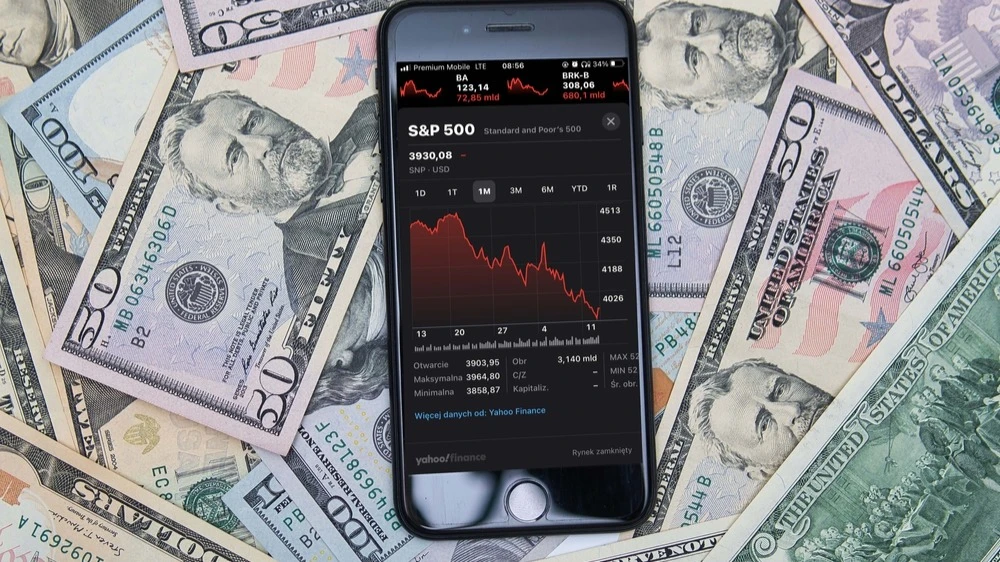
A Goldman Sachs strategist who accurately predicted Wall Street's weak performance this year expects U.S. stocks to underperform global markets into the next decade, Bloomberg writes.
Peter Oppenheimer and his team recommend that investors increase diversification outside the U.S. as high valuations of U.S. stocks limit the potential for further upside.
Why Goldman Sachs doesn't believe in the S&P 500
After a decade of consistent outperformance driven by soaring technology stocks and hype around artificial intelligence, the S&P 500 Index has lagged its global peers this year. It rose 16%, while the MSCI Global Index (excluding the U.S.) rose 27%.
Now the U.S. index is trading at a premium of more than 50% to global peers, Bloomberg notes. According to Goldman analysts, the factors that supported S&P 500 growth over the past decade - such as margin expansion, tax cuts and low interest rates - are unlikely to be as strong in the next decade.
Worldwide corporate earnings growth is expected to level off next year, making the US benchmark index look less attractive, the agency explained. Its forward-looking price/earnings (P/E) ratio has risen to 23, which corresponds to the peak level after the pandemic and is approaching the record set before the dot-com bubble, the agency notes.
Goldman expects the S&P 500 Index to post an average annualized return of 6.5% over the next ten years, the weakest of any region.
What Goldman Sachs advises to watch out for
"We expect higher nominal GDP growth and structural reforms to drive growth in developing countries, while the long-term benefits of AI will be spread broadly rather than limited to the U.S. technology sector," Oppenheimer and his team wrote.
The highest growth is forecasted in emerging markets - an average of 10.9% per year, analysts believe. In their opinion, the growth in emerging markets will be provided by a strong increase in corporate profits in China and India. Asia (excluding Japan) is seen as the second strongest region, with a projected annualized return of 10.3%. Japan could post an 8.2% annualized return, supported by rising corporate profits and reforms to improve investor payouts. For Europe, an average annualized return of 7.1% is projected.
This article was AI-translated and verified by a human editor