Volatility in the most profitable market of the year is at its peak since April. Will the rally continue?
Surging South Korean indices may indicate market fatigue

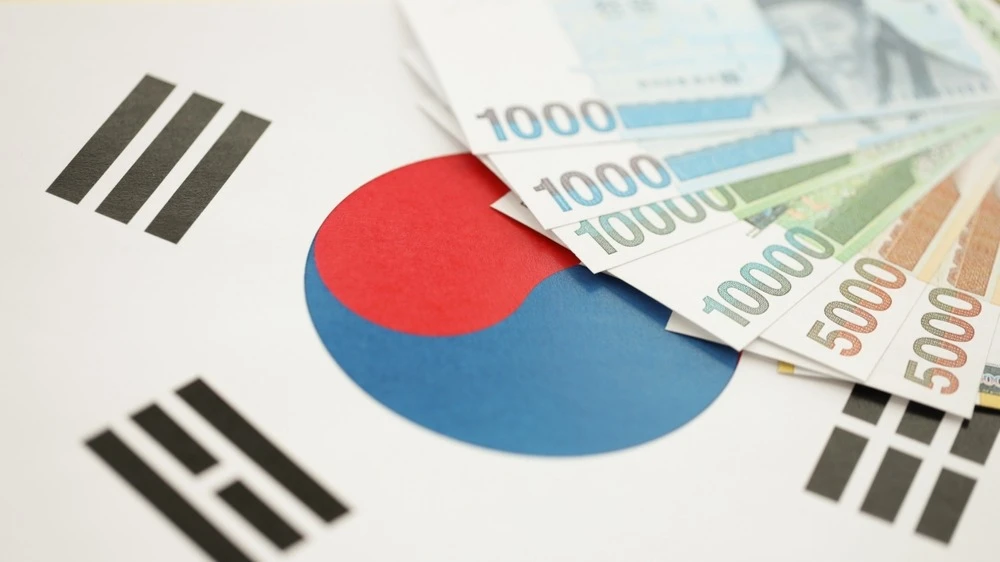
South Korea's Vkospi volatility index, which reflects traders' expectations of price fluctuations over the next month, surged to levels not seen since April, when the market crashed after Donald Trump's announcement of higher duties. Vkospi's jump signals growing investor anxiety amid the ongoing rally, with South Korea's main Kospi index adding 71% since the start of 2025, outperforming all global benchmarks.
Details
Against the background of rapid growth of South Korean shares, traders are actively insuring positions: the volatility index Vkospi, which takes into account options on the index of "blue chips" Kospi 200, rose to the maximum since April. The main Kospi index has added 71% since the beginning of the year, showing the best result among global peers, Bloombergwrites . The benchmark is on track for its strongest annual growth since 1999. The Kospi 200 index jumped 83% over the same period, mainly due to growth in shares of chipmakers Samsung Electronics and SK Hynix, the agency points out.
The cost of option contracts is rising for both upside and downside bets on the market. According to Bloomberg data, the expected volatility on Kospi 200 upside options has already exceeded the average level for protective instruments. This suggests that traders are still hoping for a continuation of the rally, but are also willing to pay more and more for protection against possible sharp market movements, the agency writes.
"The current level of Vkospi reflects investor anxiety as the market hits all-time highs," explains Samsung Securities analyst Jun Kyung. While it doesn't necessarily signal an imminent correction, expectations for further gains have become excessive and call option prices have become overvalued, he says.
Derivatives and volatility specialist at Clifton Derivatives John Ley, in a review on Smartkarma, also noted "early warning signs" in the dynamics of speculative assets and signs of rally fatigue. He recommended using options to hedge, Bloomberg reports.
Last week, some investors took profits amid market overheating, which triggered a short-term sell-off. The Kospi index lost 3.7% over the week before rebounding slightly to remain 2.9% below its Nov. 3 peak. The drop added to market nervousness, with foreign investors selling nearly 1.65 trillion won ($1.1 billion) worth of futures, the highest volume since April.
This article was AI-translated and verified by a human editor