Goldman Sachs clients tempered optimism on US equities and AI after November's decline
Meanwhile, institutional investors continue to hold an overweight position in AI stocks, wary of shifting capital into the real sector without clear signals of an accelerating U.S. economy

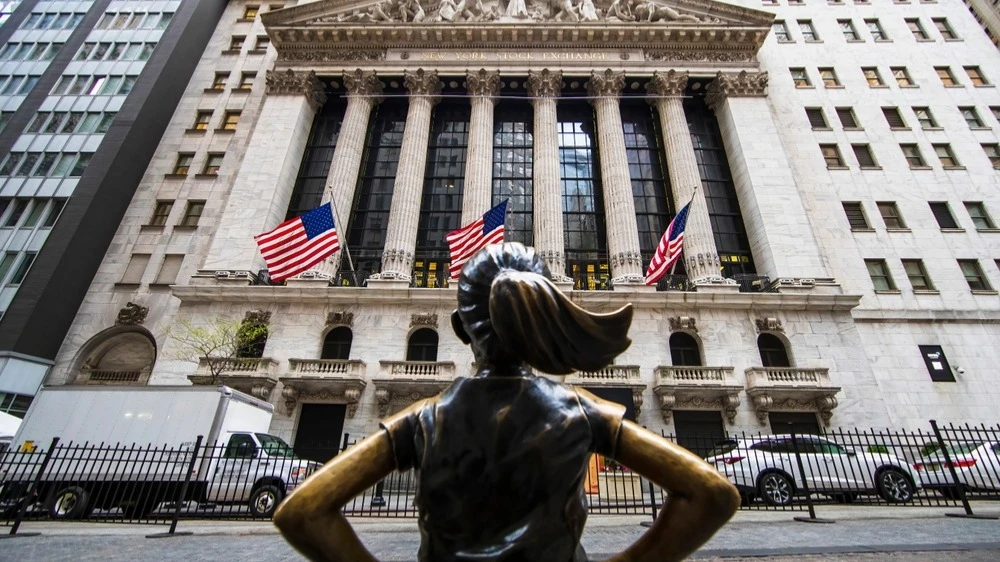
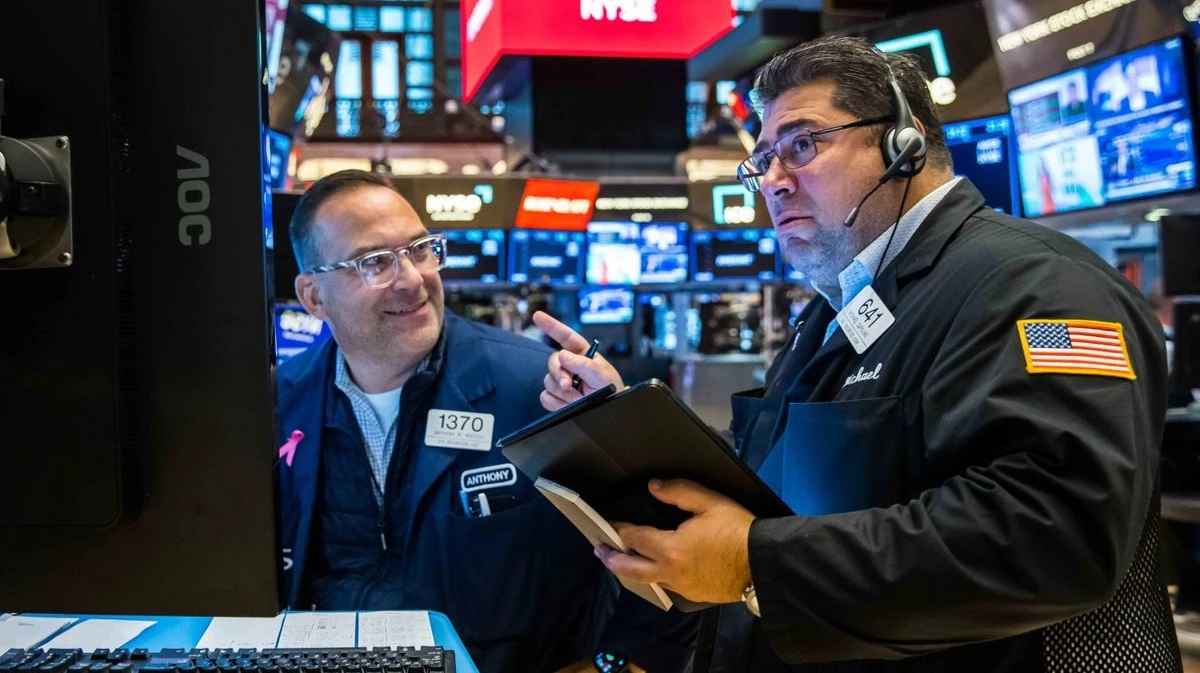
Professional investors, after the November slump, have become more cautious in assessing the prospects for returns on U.S. stocks and securities of companies in the artificial intelligence sector, a survey by Goldman Sachs has shown. Although the investment bank's clients still expect the market to grow in 2026, their goals now look much more conservative.
Details
According to the expectations of almost 800 institutional clients of Goldman Sachs, who took part in the survey, the S&P 500 index will end 2026 in the range from 7000 to 7500 points. This is a sharp pullback from the sentiment of late October, when many market participants predicted a jump in the index to 7,200 points by this New Year, Bloomberg writes, citing Goldman analyst Oscar Ostlund. Institutional investors are still betting on the S&P 500 rising in 2026, but their target levels have become "much more conservative," Ostlund added.
Enthusiasm for AI has also become more moderate: clients are increasingly focused on the risks of project implementation and the high capital intensity of the sector, fearing a return on investment. At the same time, faith in the resilience of the US economy has increased, with only 1% of respondents predicting a recession in 2026. This strengthens the hope for further reduction of interest rates - a favorable scenario for risky assets such as stocks, the agency said.
Where professionals see potential
Many survey participants see growth opportunities outside the AI sector amid growing concerns about investment returns and the scale of capital expenditures. However, Goldman clients have so far maintained an overweight to AI-related stocks in their portfolios, wary of shifting into the real sector without clear signals of an acceleration in the U.S. economy, Goldman said.
The search for yield is expanding: respondents name developed and emerging market equities as attractive investment destinations. The key macroeconomic risk remains the labor market: 74% of respondents expect a moderate increase in unemployment.
Context
In November 2025, U.S. stock markets plummeted amid investor concerns about a bubble bursting in the AI space. From late October through November 20, the S&P 500 Index fell 5%, and NVIDIA, one of the main beneficiaries of the AI boom, was losing more than 12% at one point. But then all stocks recovered.
This article was AI-translated and verified by a human editor