Highlights for the morning: OpenAI prepares a round over $100 billion, Meta returns to smartwatches


OpenAI is close to closing the first phase of a new investment round that could bring it more than $100 billion / Photo: Matthew Nichols1 / Shutterstock
OpenAI is preparing a record funding round, during which it may raise over $100 billion; the company's total valuation will eventually rise to $850 billion on the back of trillion-dollar investments in AI infrastructure. Meta is returning to wearable devices and intends to release its first smartwatch as early as this year. These and other topics - in our review of key events for the morning of February 19.
Fed diverges on rate amid inflation risks
Some Fed representatives believe that further rate cuts are possible if inflation falls, while others suggest keeping it at the current level "for some time" and do not rule out even an increase if inflation remains above the target 2%, Yahoo Finance writes. At its January meeting, the regulator left the rate unchanged at 3.5-3.75% after three consecutive cuts at the end of 2025, emphasizing the dependence of further decisions on incoming data and the balance of risks.
The majority of participants of the Federal Open Market Committee (FOMC) of the Federal Reserve noted that the return of inflation to 2% may be slower and more uneven, and the risk of its sustained exceeding the target remains significant. That said, the US labor market is showing signs of stabilization, although risks to employment have not completely disappeared. Individual Fed members also pointed to overvaluation of assets and potential vulnerabilities associated with the booming AI sector and stock market.
OpenAI is preparing a record-breaking funding round of over $100 billion
OpenAI is close to closing the first phase of a new investment round, which could bring it more than $100 billion and become the largest deal of its kind, Bloomberg has learned. The company's valuation, taking into account the funds raised, may exceed $850 billion, the agency's sources say (OpenAI was valued at $730 billion before attracting investment - premani). The main strategic investors in the new round of financing will be Amazon, SoftBank, Nvidia and Microsoft; their combined investments may approach $100 billion and will be distributed in tranches within a year.
A second phase of the round with venture capital funds and sovereign investors is expected later and could significantly increase the total amount raised. As part of the partnership with Amazon, OpenAI will expand the use of its cloud infrastructure and chips. The deal has not been finalized yet, the parameters may change, the agency specifies.
Meta returns to smartwatches amid boom in AI devices
Meta plans to release its first smartwatch later this year, relaunching its Malibu 2 project, according to The Information, Reuters reports. The device will get health monitoring features and a built-in Meta AI assistant. The company was already developing the watch about five years ago, but scrapped the project in 2022 amid cost-cutting in its Reality Labs division.
The return to wearable electronics comes against the backdrop of growing interest in AI gadgets: AI glasses created by Meta in collaboration with EssilorLuxottica (Ray-Ban brand) have been particularly successful, with shipments reaching almost 6 million units last year. The company is currently working on about four models of AR and MR glasses (augmented and mixed reality glasses), revising the launch dates so as not to overload the market; previously, the release of Meta's Phoenix MR glasses was postponed until 2027.
FDA chief warns of U.S. lagging behind China in drug development
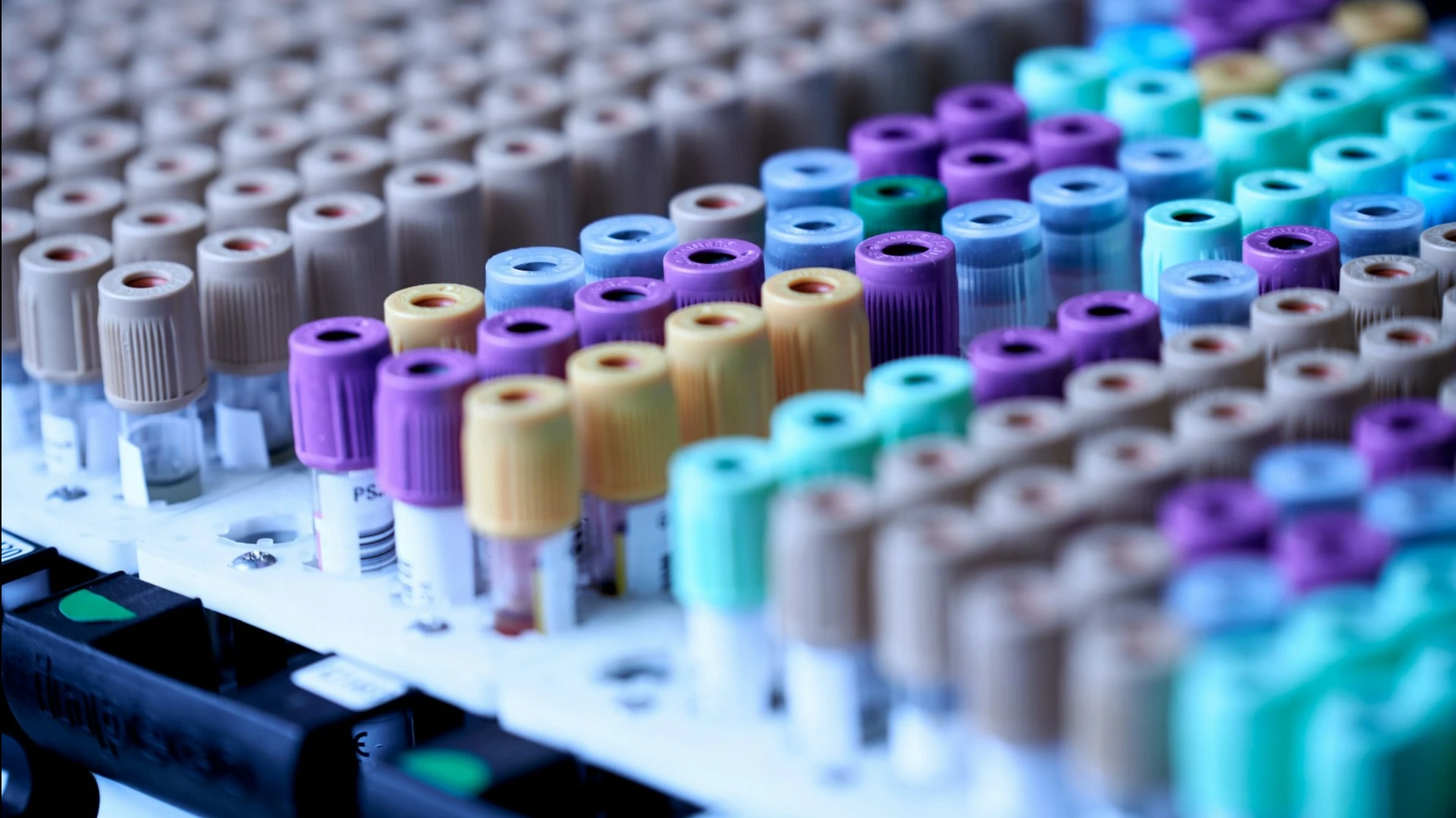
The head of the U.S. Food and Drug Administration (FDA), Marty Makary, said that the U.S. is behind China in the early stages of drug development and needs reforms to speed up the launch of clinical trials, CNBC reported. He pointed to three key bottlenecks: complex contracting procedures with hospitals, drawn-out ethics approvals and a cumbersome application process for human drug trials. China is well ahead of the US in the number of Phase I trials in 2024, he said.
Against the backdrop of large-scale government investment and regulatory reforms, China has transformed itself from a manufacturing base into one of the world's biotechnology leaders: the country already conducts more clinical trials than the US and ensures almost a third of new drug approvals in the world, the channel notes.
Airbus cautious on 2026 forecast amid Boeing recovery
Airbus expects to deliver 870 commercial airplanes in 2026 - slightly below analysts' expectations (about 880), writes CNBC. In 2025, the company delivered 793 airliners to customers, slightly exceeding its own adjusted target (790 aircraft), but earlier it had to reduce the plan due to problems with the quality of components for the A320. Analysts note the deterioration of sentiment around Airbus since the beginning of the year, although some experts consider the risks at the end of the year shifted to the upside, the channel writes.
At the same time, Boeing is showing signs of recovery from the years-long crisis around the 737 Max: in January 2026, it delivered 46 airplanes and received 103 net orders against 19 deliveries and 49 orders for Airbus. Although January data traditionally does not reflect annual dynamics, the market is increasingly talking about a possible shift in the balance of power between the two aircraft giants.
What's in the markets
- Japan's broad Topix index rose 1.29% on Feb. 19, while the Nikkei 225 added 0.72%.
- The Hong Kong Stock Exchange, Shanghai Stock Exchange and Shenzhen Stock Exchange are not trading due to holidays.
- In South Korea, the Kospi index rose 2.88% and the Kosdaq rose 5.14%.
- Australia's S&P/ASX 200 rose 0.88%.
- S&P 500 futures were up 0.11%, Nasdaq Composite futures were up 0.15%; Dow Jones Industrial Average exchange-traded contracts were little changed.
This article was AI-translated and verified by a human editor