Highlights for the morning: SK Hynix reports record profits, Lululemon changes its CEO

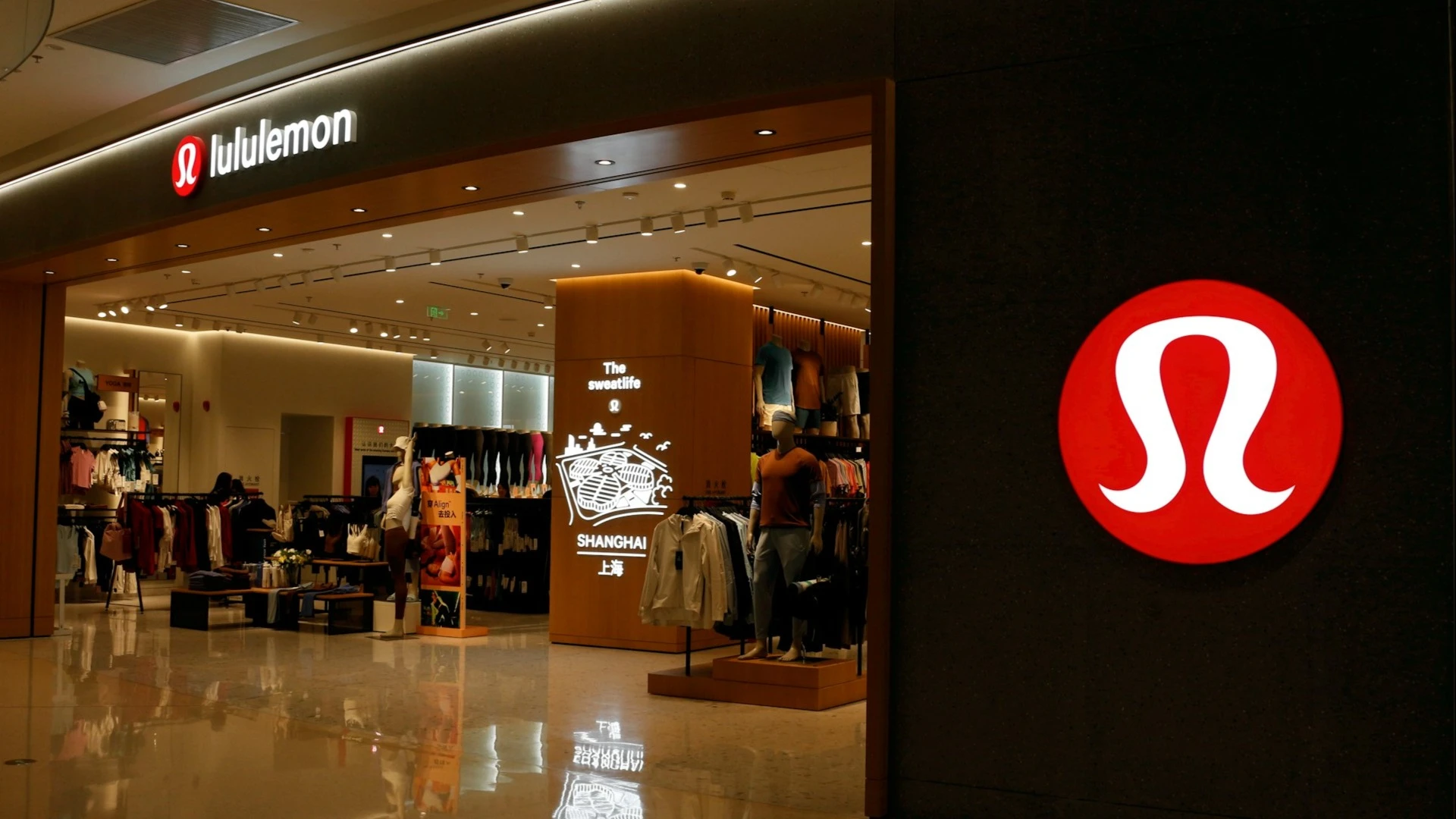
Lululemon announced the appointment of Heidi O'Neill as CEO - she previously held key positions at Nike and other large companies / Photo: P. L. / unsplash
SK Hynix reported record profits amid demand for memory for AI servers, although revenue fell short of expectations. Core Scientific raised $3.3 billion through high-yield bonds to build data centers amid capacity, chip and energy shortages. These and other topics are in our roundup of key events for the morning of April 23.
SK Hynix posts record profit amid AI boom
South Korean chipmaker SK Hynix reported record revenue and profit in the first quarter of 2026, thanks to rising memory prices and robust demand from companies building and expanding data centers for artificial intelligence, CNBC reported. Revenue nearly tripled year-on-year to more than 50 trillion won ($35.55 billion), but came in below forecasts, as did operating profit. Operating margin hit an all-time high of 72%. The main driver is demand for HBM memory for data centers, where the company maintains its leadership and supplies solutions for Nvidia chips, the channel said.
The company expects further profit growth, but risks remain: a protracted conflict in the Middle East could disrupt the supply of key materials, including helium, which could temporarily hit the entire AI chip production chain.
Lululemon appoints new CEO amid weak sales and investor pressure
Lululemon has announced the appointment of Heidi O'Neill as CEO, effective Sept. 8, CNBC writes. She previously held key positions at Nike and other large companies and is considered a strong strategist in sports retail, the channel notes.
The appointment comes amid more than a year of weak results at Lululemon and management's conflict with founder Chip Wilson, who has been criticizing management and pushing for changes at Lululemon, CNBC points out. The company is also facing falling sales, increased competition and rising costs, including duties that could cost $380 million this year. The company's stock fell about 5% in the post-market on the news.
Core Scientific raised $3.3 billion through risky bonds for AI data centers
U.S. Core Scientific placed $3.3 billion in five-year high-yield bonds at a yield of about 7.9%, one of the highest for data center-related bond deals this year, Bloomberg has learned. The artificial intelligence boom has exacerbated shortages of capacity, chips and power, forcing companies to borrow aggressively in the market: since the beginning of the year, such projects have already raised more than $19 billion through riskier bonds, the agency said. At the same time, investors are more willing to invest in projects with the support of major players like Google and Amazon, demanding higher returns from the rest, Bloomberg writes.
Core Scientific is building data centers in several U.S. states that are leased to CoreWeave under a 12-year contract with potential revenue of about $10 billion. However, reliance on a tenant with a lower credit rating limits the valuation of the deal. The funds raised will be used to service Core Scientific's debt and fund projects including sites in Georgia, Texas, North Carolina and Oklahoma.
Bloomberg: Cursor investors could make billions on SpaceX deal
Funds Andreessen Horowitz and Thrive Capital may get a multi-billion dollar profit if SpaceX exercises its option to buy startup Cursor for $60 billion, Bloomberg has learned. Andreessen Horowitz's stake in Cursor (about 10%) is valued at about $6 billion at the estimated transaction price of Cursor and SpaceX, while Thrive's stake is about 7% or $4.2 billion, the agency points out, citing sources. Both fund investors entered Cursor's capital at early stages, when the company's valuation was much lower.
SpaceX on the eve won the right to buy Cursor later this year or pay $10 billion for joint development amid preparations for its IPO. The startup, with an AI programming assistant set to launch in 2023, has become one of the fastest-growing in the market.
SoftBank seeks $10 billion loan secured by its shares in OpenAI
SoftBank wants to obtain a $10 billion loan secured by its shares in the U.S. artificial intelligence giant OpenAI, Bloomberg found out. Thus, the Japanese company is building up debt to develop its own AI business. Such a loan underscores SoftBank's increasingly aggressive bet on artificial intelligence, Reuters points out. The two-year asset-backed loan will allow the Japanese investment conglomerate to extend the borrowing period for another year.
Meta collects employee actions on computers for AI training
Meta has launched an internal tool that tracks keystrokes, mouse movements and employee actions on work computers to train its AI models, CNBC, Reuters and Business Insider have learned. The system spans hundreds of sites and services, including work and third-party platforms. The project stems from the company's attempt to catch up with competitors in generative AI and create models that can perform office tasks by learning from real user behavior.
Inside the company, the initiative is criticized: employees fear surveillance and leakage of sensitive data, including passwords and personal information. Meta says that the tool only captures screen content and does not use data outside of training models, and contains protection measures, the channel writes.
What's in the markets
- Japan's broad Topix index fell 0.4 percent, while the Nikkei 225 rose 0.4 percent.
- Hong Kong's Hang Seng Index fell 1.2 percent, while mainland China's CSI 300 Index rose 0.7 percent.
- In South Korea, the Kospi index rose 1.7 percent, while the Kosdaq fell 0.6 percent.
- Australia's S&P/ASX 200 was down 0.5 percent.
- Futures on S&P 500 were falling by 0.9%, futures on Nasdaq Composite - by 0.8%. Exchange contracts on Dow Jones Industrial Average - by 1%.
This article was AI-translated and verified by a human editor