Highlights for this morning: silver collapsed, PC makers ponder memory from China


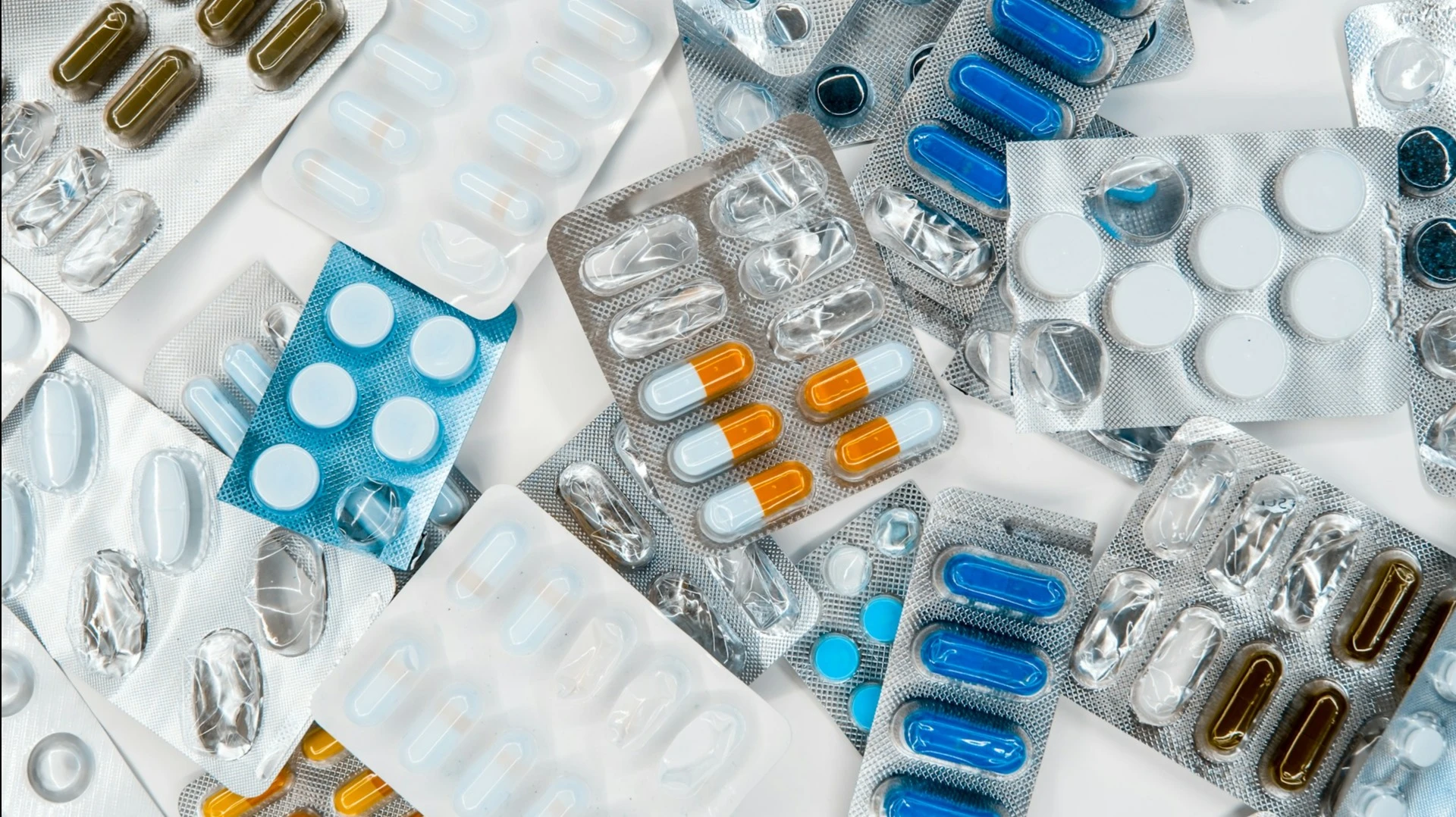
HP, Dell, Acer and Asus are considering using memory chips from Chinese manufacturers for the first time amid a shortage of memory chips / Photo: mapo_japan / Shutterstock
Silver collapsed after a speculative rally and tighter margin requirements. Alphabet shares sagged amid record plans to invest in AI infrastructure. These and other topics - in our review of key events by the morning of February 5.
Silver collapsed after a speculative rally
Silver prices fell as much as 16% on Thursday, February 5, breaking a two-day rebound, with the spot price down about 13% to $77 an ounce and futures in New York losing more than 8%, CNBC reports. After a record rise and a collapse of nearly 30% last week, the metal remains in an area of extreme volatility despite rising 146% since the start of 2025.
Analysts explain the collapse not by real demand for silver, but by speculation - active trading with leverage and through options. When exchanges, including the CME (Chicago Mercantile Exchange), raised margin requirements, some players were forced to close positions, which intensified the decline: stop losses were triggered and hedging turned into selling. The market is increasingly drawing parallels, comparing precious metals to "meme stocks" and noting that silver is falling more sharply than gold due to low liquidity.
Alphabet shares fall on record AI investment plans
Shares of Alphabet after the report declined up to 7% in over-the-counter trading, but then corrected and at the time of publication are down 1.9%: investors were frightened by the forecast of capital expenditures for 2026 - about $180 billion against the expected $120 billion, writes Yahoo Finance. The company explained the growth of expenses by investments in servers and data centers for AI and cloud.
Meanwhile, quarterly results beat expectations, with revenue up 18% to $113.8 billion and earnings rising to $2.82 per share. Google Cloud showed a 48% jump in revenue to $17.7 billion, thanks to demand for AI products, while the core advertising business grew by 14%. The company's management assured that large-scale investments in AI are already yielding returns and will be made without compromising financial stability.
PC makers ponder memory from China due to shortages
HP, Dell, Acer and Asus are considering using memory chips from Chinese manufacturers for the first time amid a global DRAM shortage that is disrupting device launches and driving up prices, Nikkei Asia reported.
According to the publication, HP and Dell are already testing ChangXin Memory Technologies memory, fearing that shortages and price increases will extend into 2026. HP may start buying for markets outside the U.S. if the situation doesn't improve. Acer is allowing Chinese memory through contract manufacturers, and Asus is asking Chinese partners to help supply for select notebook-related projects, the publication said.
Sony beats profit forecasts
Sony reported an increase in operating profit in the December quarter, beating analysts' expectations: the figure rose 22% year-on-year to 515 billion yen on revenue of 3.71 trillion yen, writes CNBC. The company raised its forecast for the entire fiscal year and now expects operating profit of 1.54 trillion yen, which, in particular, helped by a favorable exchange rate.
At the same time, the gaming business faced pressure from rising component costs and a shortage of DRAM chips used in PlayStation consoles, which held back hardware sales. This effect was partially offset by strong results from the music and image divisions, with revenue in music up 12.6% and the sensor and image business up more than 20%. At the moment, the company's securities jumped almost 6% in Tokyo trading on February 5, which was the biggest jump since November, Bloomberg writes, but then the stock corrected slightly and at the time of publication traded in the plus by only 0.09%.
What's in the markets
- Japan's broad Topix index was little changed, with the Nikkei 225 down 0.72% in Feb. 5 trading.
- Hong Kong's Hang Seng index was falling by 0.65%. CSI 300 index of mainland China - by 0.6%.
- In South Korea, the Kospi index was down 3.95% and the Kosdaq was down 3.53%.
- Australia's S&P/ASX 200 was down 0.43%.
- S&P 500 futures were little changed, Nasdaq Composite futures were adding 0.12%, and Dow Jones Industrial Average exchange-traded contracts were down 0.13%.
This article was AI-translated and verified by a human editor