How SpaceX became a piggy bank for Musk and his ventures - NYT investigation

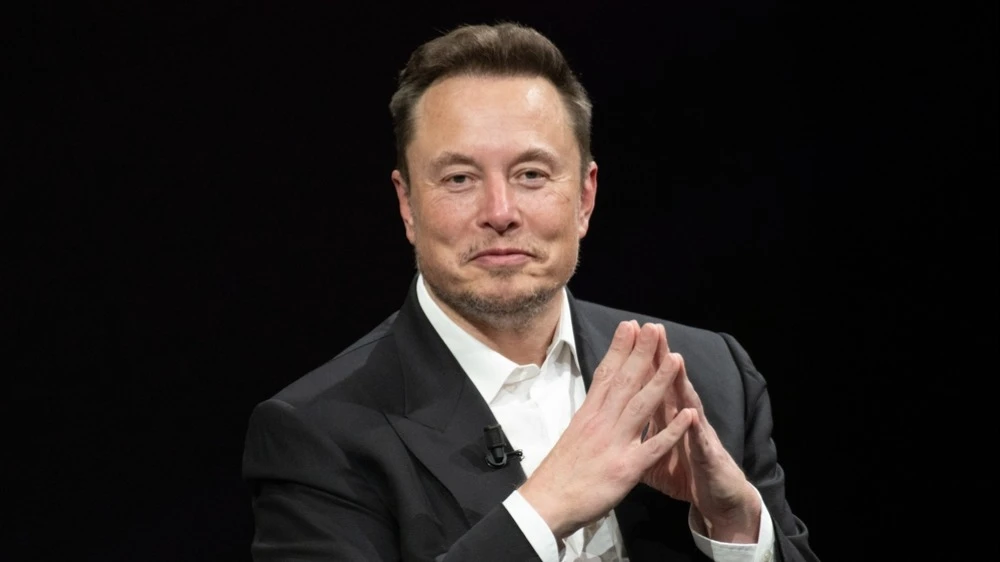
Musk borrowed a total of $500 million from SpaceX over three years under favorable terms / Photo: Frederic Legrand - COMEO / Shutterstock.com
Elon Musk has used SpaceX, which is now preparing for an IPO, for two decades as a kind of piggy bank, according to an investigation by The New York Times. According to the publication, the space company at least three times lent the billionaire money under "exceptionally favorable terms" and supported related businesses when they faced financial difficulties.
"It's a conflict of interest," Ann Lipton, a law professor at the University of Colorado at Boulder, told the NYT. She said such conflicts are an "inherent risk" of investing in the projects of someone running multiple companies at once.
Here's what the NYT investigation says
Journalists of the publication studied corporate documents, court cases, internal correspondence and talked to sources close to SpaceX, and this is what they found out:
- In early 2018, when Musk needed $100 million, he turned not to a bank but to SpaceX, of which he is a shareholder and CEO. The company gave him a loan secured by shares for 10 years, but with the right to demand early repayment;
- The first loan was followed by two more. By the end of 2020, Musk borrowed a total of $500 million from SpaceX. The terms of the loan were much more favorable than bank loans: Musk received money at rates ranging from less than 1% to almost 3%, according to internal documents. At the time, the banks' prime rate for borrowers with high credit ratings was about 5%, the publication notes. Who exactly in the company approved the loan and what Musk planned to spend the money on, it was not possible to find out;
- by the end of 2021, the entrepreneur paid back the entire debt, paying almost $14 million in interest. If Musk had borrowed at least at 4%, he would have had to pay about $40 million, the NYT writes.
- Musk not only borrowed money from SpaceX for personal purposes, but also used its resources to support businesses close to him, the article says. After Tesla ran into difficulties after the 2008 crisis, Musk borrowed $20 million from the space company - he later claimed he had paid the money back.
- Nearly a decade later, Musk used SpaceX to back unprofitable solar panel manufacturer SolarCity. The company was founded by Musk's cousins, and Musk himself was one of the largest shareholders and chairman of the board. Then SpaceX bought SolarCity bonds, which credit agencies assigned a high risk of default, despite the fact that internal rules prohibited it, the NYT writes, citing documents. If SolarCity had gone bankrupt, SpaceX's investments could have been completely devalued. By 2016, the space company had invested $255 million in SolarCity, the documents show.
In 2016, Tesla acquired SolarCity, which displeased some of the car company's investors. Although they lost the court, nevertheless, the judge pointed out Musk's conflict of interest. The billionaire himself argued that Tesla paid SpaceX the debts of SolarCity. Explaining the logic of the three companies' financial ties, Musk said he was trying to prevent the collapse of "a house of cards that would collapse if one of the elements of the Tesla - SolarCity - SpaceX triangle staggered." He later retracted this formulation.
- More recently, SpaceX acquired Musk's loss-making artificial intelligence startup xAI. This worried SpaceX investors like Founders Fund, whose stake in the company had shrunk, the newspaper's interlocutors said.
Context
All these deals were possible only because SpaceX is a private company, writes NYT. Public companies are prohibited from providing loans to many categories of top managers, because such loans involve significant risks. Banks, as a rule, carry out an objective assessment of credit risk, but the board of directors may lack such objectivity when granting a loan to a corporate officer. A corresponding restriction (the Sarbanes-Oxley Act) was passed in 2002 after a string of major corporate scandals over risky loans, including the Enron case. Now, as Musk prepares to take his space company public, he will have to report more often to investors and Wall Street, the NYT states.
Some SpaceX investors, including Founders Fund, a venture capital fund co-founded by Peter Thiel, have already raised concerns that Musk was putting his own interests ahead of those of other shareholders, two NYT sources said.
The Tesla precedent
Before SpaceX, something similar had already happened at Tesla, Musk's public company, the NYT notes. In particular, Musk has long used Tesla shares as collateral for personal loans from banks. This practice carries risks and is prohibited in many public companies, the NYT writes. A sharp drop in shares could force banks to sell the securities to avoid losses - and this risks triggering a downward spiral, which would further collapse quotes.
Amid investor discontent, Tesla's 2023 board decided that Musk's loans secured by his shares should be limited to the lesser of either $3.5 billion or 25 percent of the stock's value.
Tesla's board has also raised questions about the use of company resources to benefit Musk. In 2023, an internal investigation was initiated over the use of corporate money and employees to build a home for Musk in Texas, two sources told the NYT. The probe began after Tesla discovered that someone had processed a request for the company to pay for several million dollars worth of special glass for the home. It could not be determined what role Musk played in this. Several Tesla employees involved in the project or involved in the investigation lost their jobs for various reasons. The house was never built.
This article was AI-translated and verified by a human editor