"I'm very cautious": how does a "bond king" build a defensive strategy in a portfolio?
Jeffrey Gundlach suggests investors focus on emerging markets and keep a significant portion of funds in cachet

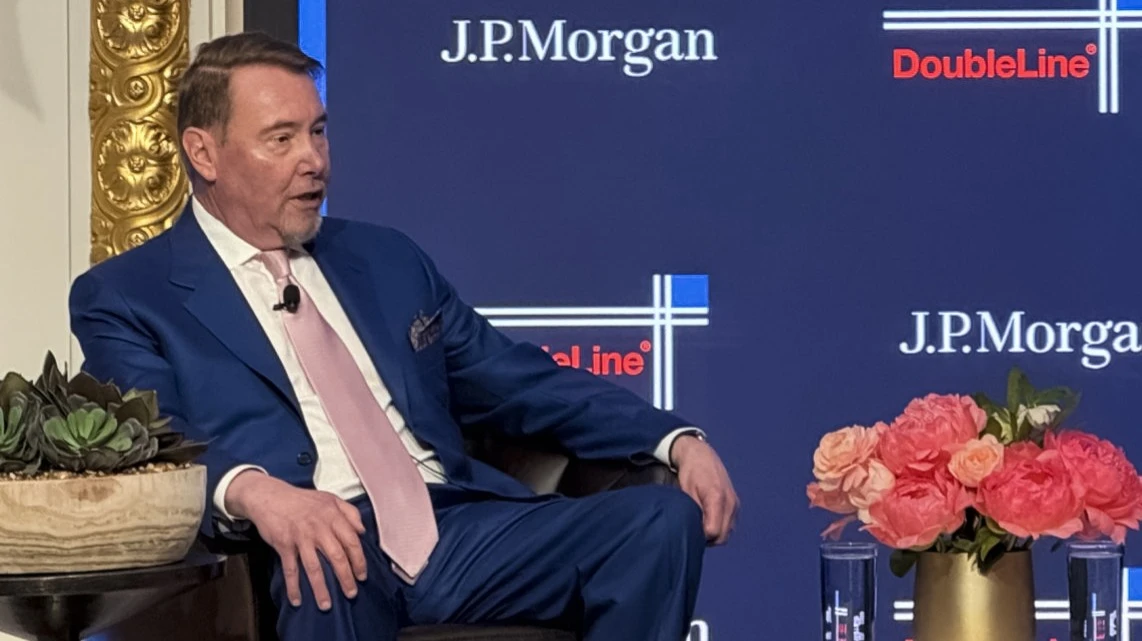
Legendary bond manager and head of DoubleLine Jeffrey Gundlach warned of growing risks in a recent interview with Fox Business: U.S. stocks are vulnerable due to inflated expectations around AI, private credit is showing signs of strain. Gundlach offers a portfolio structure that could be a defense against the blows of an unstable macro economy.
AI risk
"The bond king has taken a bearish view lately: he notes that risks are piling up in the market - and that should prompt investors to take a more cautious approach.
One of the threats Gundlach cites is the surging interest in artificial intelligence, which is beginning to inflate the valuations of technology companies. Talk of a stock market bubble is growing louder on Wall Street.
"At some point, things will turn around and the virtuous cycle will turn into a vicious cycle," he says, pointing to high stock valuations as the hype around AI companies reaches a boiling point.
Credit risks and private loans
Among the risks that are shaping the tense market situation, Gundlach includes what is happening in the credit segments. He notes that credit spreads are starting to widen after a period of historically low levels - this shows that the value of corporate debt is changing and investors are laying down a higher level of risk. At the same time, the growing amount of U.S. government debt is adding pressure to the debt market.
Gundlach sees private lending as a more serious problem. He talks about the issuance of substandard loans and warns that it is in this sector that the next hotbed of financial instability may be born. He says the risk is building within a segment that has long been one of the sources of increased profitability in a low-rate environment.
What to do as an investor: Gundlach's recommendations
Gundlach believes that because of the growing risks in U.S. equities and private credit, investors need to move to defense. He suggests dividing the portfolio into four unequal parts:
- 40%: equities, predominantly non-U.S. and emerging markets. Gundlach explains that with global investors potentially shifting away from the U.S. currency, the value of dollar-denominated assets could decline. Therefore, he says, foreign stocks, especially those denominated in other currencies, look like a more balanced choice.
- 25%: bonds. Gundlach is betting on long-term bonds with 10-year maturities and securities backed by commercial mortgages. He says this sector is doing well right now because positive sentiment is returning to the commercial real estate market.
- 20%: cash. This share was left unexplained by Gundlach.
- 10-15%: real assets. Here Gundlach particularly emphasizes gold. He has long called this precious metal a protective asset and previously advised to allocate up to 25% of the portfolio to it, but after the October fall in gold prices, he reduced the share.
Who else is on defense
"I'm very cautious," Gundlach says of his current investment strategy, attributing this approach to the volatile macroeconomic environment.
Other professional investors are also advising investors to shift into safety assets. David Roche, former head of research at Morgan Stanley, recommends looking for safety in hard and real assets, nuclear and defense stocks
Mobius Capital Partners founder Mark Mobius believes that with risks around the US AI segment on the rise, investors should take a closer look at emerging markets.
This article was AI-translated and verified by a human editor