IMF calls dollar's biggest drop since 2017 'short-term fluctuations'

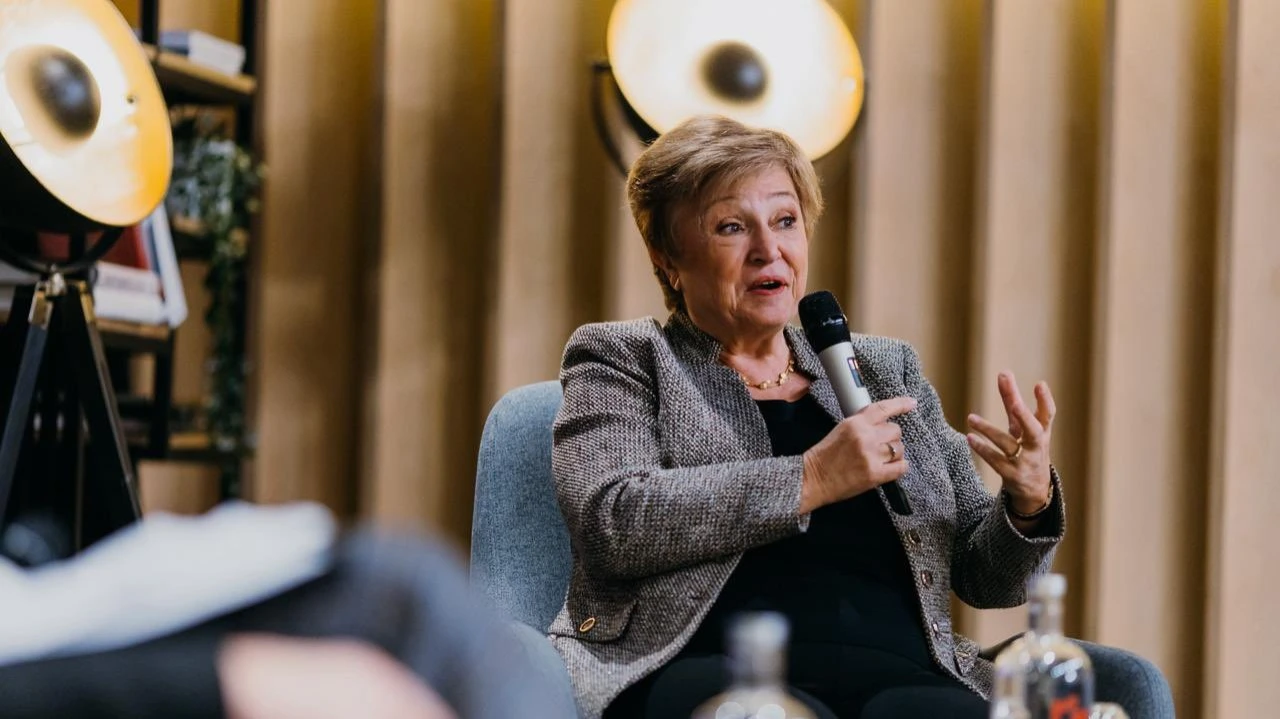
IMF chief Kristalina Georgieva called the dollar's biggest drop since 2017 "short-term fluctuations"/ Photo: x.com/KGeorgieva
We should not exaggerate the significance of the dollar's fall over the past year: the U.S. currency is likely to retain its dominant position in the world, IMF chief Kristalina Georgieva said. In January, the value of the U.S. currency fell to its lowest level in almost four years, but partially recovered during the "soft-apocalypse" - the sell-off in technology stocks in early February.
Details
"One should not succumb to short-term exchange rate fluctuations," IMF chief Kristalina Georgieva said in an interview with Bloomberg Television. She added that she sees no threat to the dollar's role in the world system.
"We should take a closer look at why the dollar plays such an important role in the international monetary system," Georgieva said. According to her, this role is ensured by "the depth and liquidity of capital markets in the U.S., the size of the economy and the entrepreneurial spirit of the country."
The IMF head also noted that the weakening dollar could be a positive factor for many developing economies. "Those who borrow in dollars will now pay less," she emphasized.
What's happening to the dollar
The Bloomberg Dollar Spot index, which tracks the dollar against a basket of ten leading currencies, fell 8.1% last year, the biggest drop since 2017. The U.S. currency lost another 1.3% in 2026. In late January, the Bloomberg Dollar Index fell to its lowest level since March 2022.
The dollar sell-off could continue, Smead Capital Management CEO Cole Smead speculated in a conversation with CNBC. "Long term, we are in a bear market for the dollar," he said. He compared the current situation to what happened after the dot-com bubble: the dollar peaked in 2002, and over the next six years through 2008, the currency lost 41% of its value. Now the US has also attracted a lot of capital because of the hype around artificial intelligence, but in the future this money will gradually head elsewhere, predicts the head of Smead Capital Management. "Investors will be looking for higher returns and we will see the dollar struggling because of capital flows overseas," Smead added.
ADP Chief Economist Nela Richardson considers the weakening dollar "a two-pronged stick," CNBC wrote. According to her, a weak currency supports exports but undermines confidence in the economy in the face of persistent inflation. She also pointed to the "K-shaped" consumption pattern in the U.S., where the top 20 percent of the highest-paid U.S. citizens control most of the spending and most consumers are struggling due to high inflation.
Interactive Brokers market strategist Steve Sosnick speculated in a conversation with the Guardian that a weak dollar benefits multinational companies with foreign currency revenues, but makes imports more expensive and increases inflationary pressures.
Corpay chief market strategist Carl Chamotte told Reuters that U.S. protectionist policies and shifting global security priorities are encouraging other countries to ramp up spending and narrow the gap in growth and rates, which is eroding the dollar's previous advantages.
This article was AI-translated and verified by a human editor