Investors unleashed gold and stocks into a bubble, says "central bankers for central bankers"

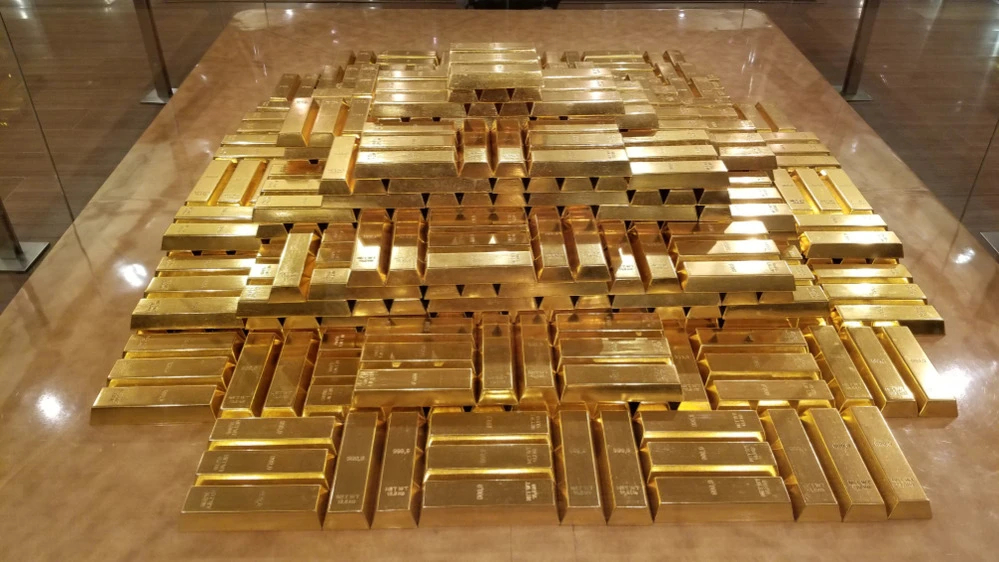
The rush for gold and U.S. stocks among retail investors is driving these assets into "bubble territory," warned the Bank for International Settlements, which has been described as a "bank for central banks." In its assessment, this raises the risk of a sharp and chaotic reversal. Stocks and gold were in that zone at the same time for the first time in 50 years, the report said.
Details
Gold and U.S. stocks are exhibiting the characteristics of a bubble, including retail investor "euphoria," soaring valuations and media frenzy, the Bank for International Settlements (BIS) wrote in a report, the Financial Times quoted it as saying. The rally in securities of major technology companies "has raised concerns about excessive valuations and the risks that a price correction could pose to the broader equity market and economy," BIS said.
"The past few quarters are the only period in at least the past 50 years when gold and stocks simultaneously entered this [bubble] zone," the paper says. - After an explosive phase, a bubble typically bursts through a sharp and rapid correction."
"The gold price [over the past year] has been rising along with other risky assets, deviating from the historical behavior pattern of a safe haven asset," Bloomberg quoted Hyun Song Shin, head of the BIS Monetary and Economic Department, as saying at a meeting with reporters in Basel. - Gold has become a much more speculative asset".
Why it matters and what it has to do with retail investors
The BIS is an influential and rather closed organization, and its decision to publicly declare the risks in the gold market looks particularly remarkable, given that this institution helps central banks to trade the precious metal and stores it for them, writes the FT.
According to BIS data, retail investors have provided the bulk of the inflows into funds focused on gold and US equities over the past three months, while institutional investors, in contrast, have been reducing their investments in US securities and keeping their share in gold unchanged. The growing influence of retail participants in both markets could "threaten stability in the long run, given their tendency to herd behavior, which could exacerbate price volatility in the event of a sell-off," the BIS warned.
Inflows into gold ETFs, which include funds from both retail and institutional investors, are on track for a record high, according to the World Gold Council, the FT reports.
Context
Gold has risen 60% this year, showing the best dynamics since 1979. At the same time, prices for the precious metal rolled back from the record of $4381 per troy ounce, reached in October, and on Monday, December 8, traded around the mark of $4200.
The explosive growth was due to several factors at once - from purchases by central banks seeking to diversify reserves, to investors' concerns about inflation in the country and the level of public debt, recalls the FT. Financial regulators have been buying gold since 2022 at historically high levels - about 1,000 tons per year, but the rapid growth of quotations forced some of them to sell off the metal in order not to exceed asset allocation limits.
The gold market has already gone through cycles of ups and downs, for example, in 1980, when prices peaked on the back of inflation and the Iranian oil crisis, but by 1982 they more than halved, and in the following decades remained well below the peak level. A similar rally occurred after the financial crisis of 2008: by September 2011 quotations rose to $1830 per ounce, and then fell by 30% in two years.
This article was AI-translated and verified by a human editor