Iran has partially blocked the world's most important oil corridor. What about oil prices?

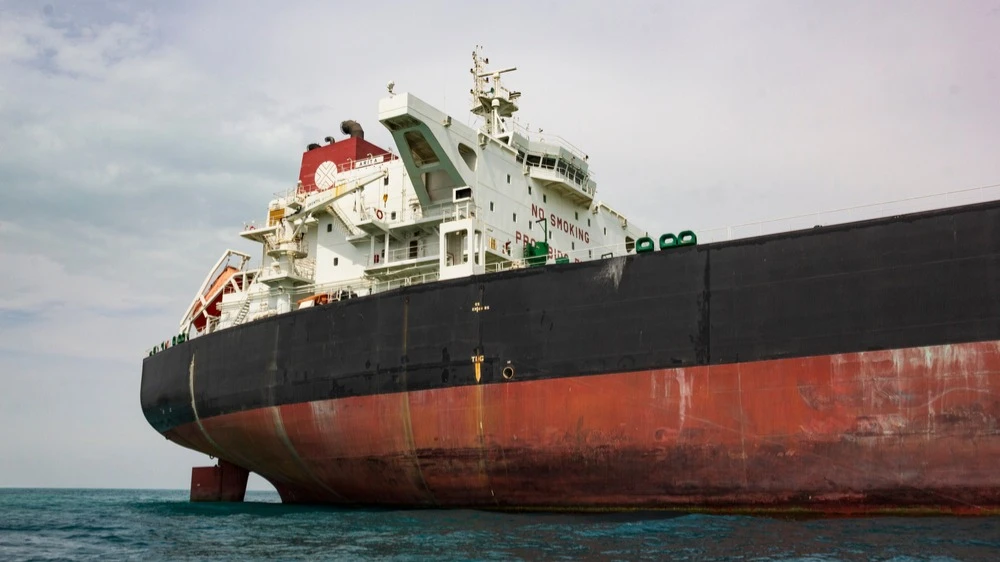
Iran has partially blocked the Strait of Hormuz / Photo: Farzad Abdollahi / Shutterstock.com
Iran on Tuesday, February 17, partially blocked the Strait of Hormuz - strategically important for the world's oil supplies - for "security purposes" in connection with military exercises of the Islamic Revolutionary Guard Corps, CNBC reported citing the country's state television.
Since U.S. President Donald Trump threatened Tehran with military intervention in January, these are the first restrictions on the functioning of a key international maritime artery connecting Middle East oil producers to major markets, with the Strait of Hormuz accounting for about a quarter of global trade in the commodity.
Oil prices reacted to the warning of a partial shutdown with a slight increase, but then declined after Iran called "serious and constructive" the second round of talks with the U.S. on the nuclear program held in Geneva, Bloomberg notes. Futures for Mark Brent fell by 1.5%, contracts for the U.S. grade WTI - about 0.3%.
Iran said it had reached a "general agreement" with the U.S. on the basics of a possible nuclear deal and announced a third, "more complex and detailed" round, reports said .
Since the beginning of this year, oil prices have jumped by almost 10% due to supply disruptions, geopolitical risks and accumulation of crude under sanctions, Bloomberg recalls. Further dynamics will be determined by the outcome of diplomatic efforts in the coming days and even hours, the agency believes. If an agreement is signed between Tehran and Washington, tough sanctions may be lifted from Iran's oil industry and its economy, Bloomberg admits.
This article was AI-translated and verified by a human editor