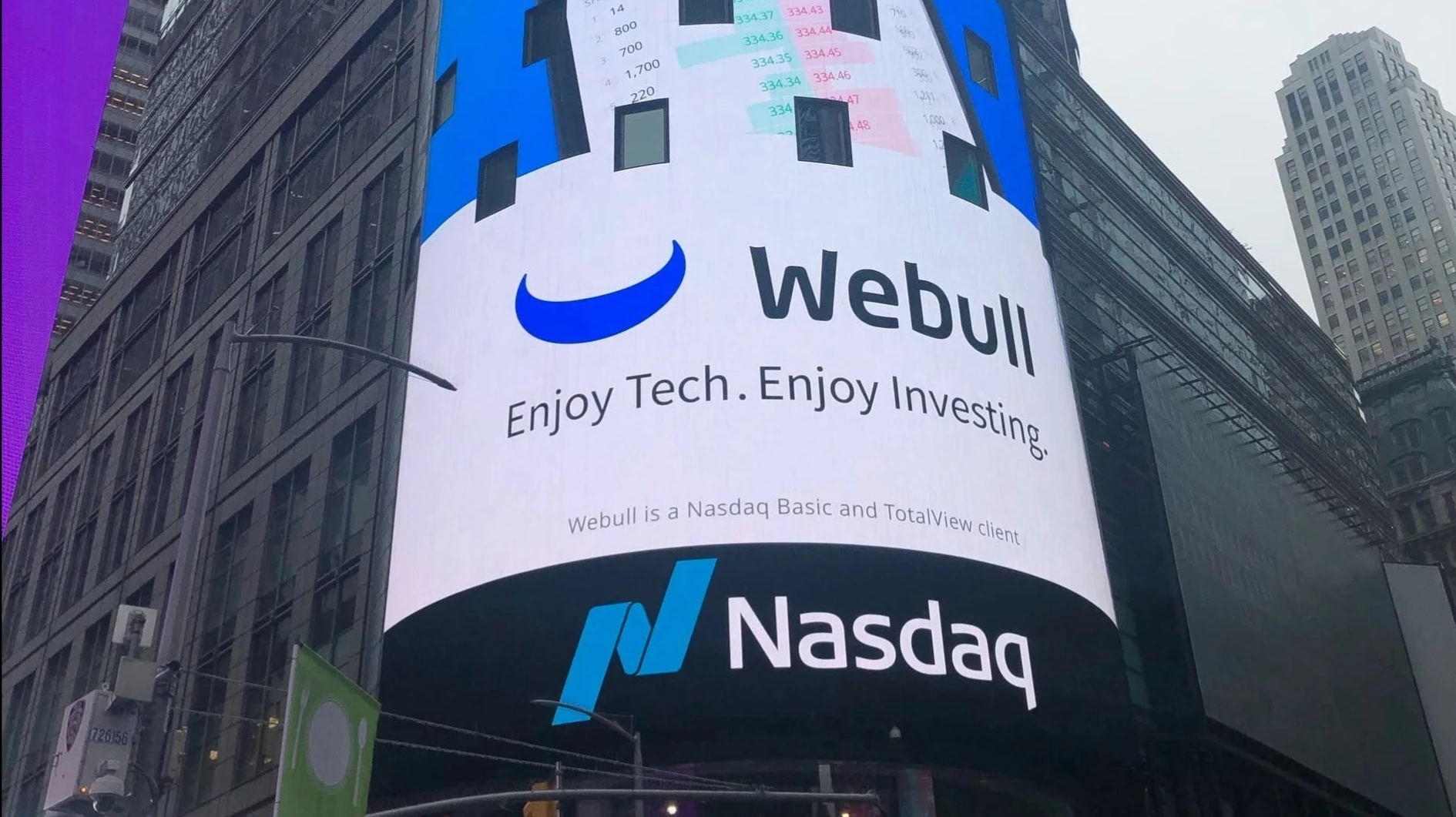
IT struck back: the Nasdaq index posted its strongest one-day reversal since April
But the Nasdaq Composite is still in the negative at the end of the week


The Nasdaq Composite stock index rose at the end of trading on November 14 - for the first time after three consecutive days of decline. Investors resumed buying key technology stocks after Wall Street had its worst day in more than a month on Thursday. But investor doubts about the stock's high valuations remain - and the test for them will be Nvidia's reporting, which is expected in the middle of next week.
Details
- The Nasdaq Composite Index, which is heavily weighted toward technology companies, rose 0.13% to 22,900.59 points. The index was losing 1.9% during trading on Friday, but then managed to recover its losses and end the day in the plus: it hasn't had such a strong reversal since April 7, Barron's wrote, citing Dow Jones Market Data.
- The main U.S. index S&P 500 fell by 0.05% to 6734.11 points. It also fell after the opening of the stock exchanges, then recovered losses and began to grow, but in the last hour of trading it still fell into the negative zone.
- The blue-chip index Dow Jones Industrial Average fell 0.65% (or almost 310 points) to 47,147.48 points.
- The Russell 2000 index of small-capitalization companies added 0.22%.
- The CBOE Volatility Index (VIX), known as the "Wall Street Fear Index," fell 0.8% - and ended trading below 20 points, indicating volatility has declined from a "high" level.
- Bitcoin 's value fell 3.8 percent to about $94,785, and was down to $94,257.84 at its low for the day, the CoinGecko service shows.
What influenced the stock
Despite Friday's momentum, the S&P 500 and Dow Jones still ended the week up 0.1% and 0.3%, respectively, but the Nasdaq was down 0.5%. Technology stocks were pressured this week by concerns about expensive securities, a surge in borrowing and growing capital spending plans for AI, CNBC reported.
An additional negative factor was the deterioration of expectations for the Fed Funds rate. Traders now estimate the probability of its cut in December at less than 50%, compared with 62.9% at the beginning of the week and 95.5% a month ago, according to the CME FedWatch tool. Some Fed members have expressed concern that inflation remains too persistent for further monetary easing, CNBC noted.
On Wednesday, the longest U.S. government shutdown in history ended: it lasted more than six weeks. Investors expected that with its end the publication of important economic statistics would resume. But White House press secretary Caroline Leavitt warned that some of the economic data that was not released during the shutdown may not be published.
The U.S. Bureau of Labor Statistics (BLS) on Friday said that the first statistics after the government reopening will be presented on Thursday, November 20: it will be a report on the number of jobs outside of agriculture for September. The next day, the agency will present data on real wages. Usually, this statistic complements the consumer price index (CPI), which was not released in October, CNBC noted.
What the analysts are saying
- "We're kind of floundering between risk-on and risk-off modes," Zacks Investment Management client portfolio manager Brian Mulberry told CNBC. - 'I think investors are starting to rebuild portfolios before the end of the year and the beginning of 2026, given the concentration that has come about because of the strong growth in technology companies. [...] We will likely see more moves of 1-2% in either direction before the end of the year."
- "AI is truly testing the limits of what Wall Street's financial models can do," David Krakauer, vice president of portfolio management at Mercer Advisors, told CNBC. He said investors are putting "too much future growth into stock prices that they can't yet estimate," which is only exacerbating the "swing" in the market. "Valuations are so inflated that any change in earnings or rate expectations will produce an increasingly large effect," he added.
- As employment and inflation reports return to the market, it's the fundamental data that will help distinguish a sustained trend from an emotional sell-off, Nationwide 's lead market strategist Mark Hackett explained to Bloomberg. That makes this week's correction more of a reset than a market reversal, he believes.
- Next week, on Wednesday, Nov. 19, leading artificial intelligence processor maker Nvidia will release its quarterly earnings. "Its earnings will be a major test for the markets and AI trading: it could either reduce valuation concerns in the AI sector or significantly amplify them," said Capital.com analyst Kyle Rodda, as quoted by Bloomberg.
This article was AI-translated and verified by a human editor