Jefferies warned of risk of 'surprise' duty court ruling How to protect yourself
The market is pricing in duty relief that may not happen

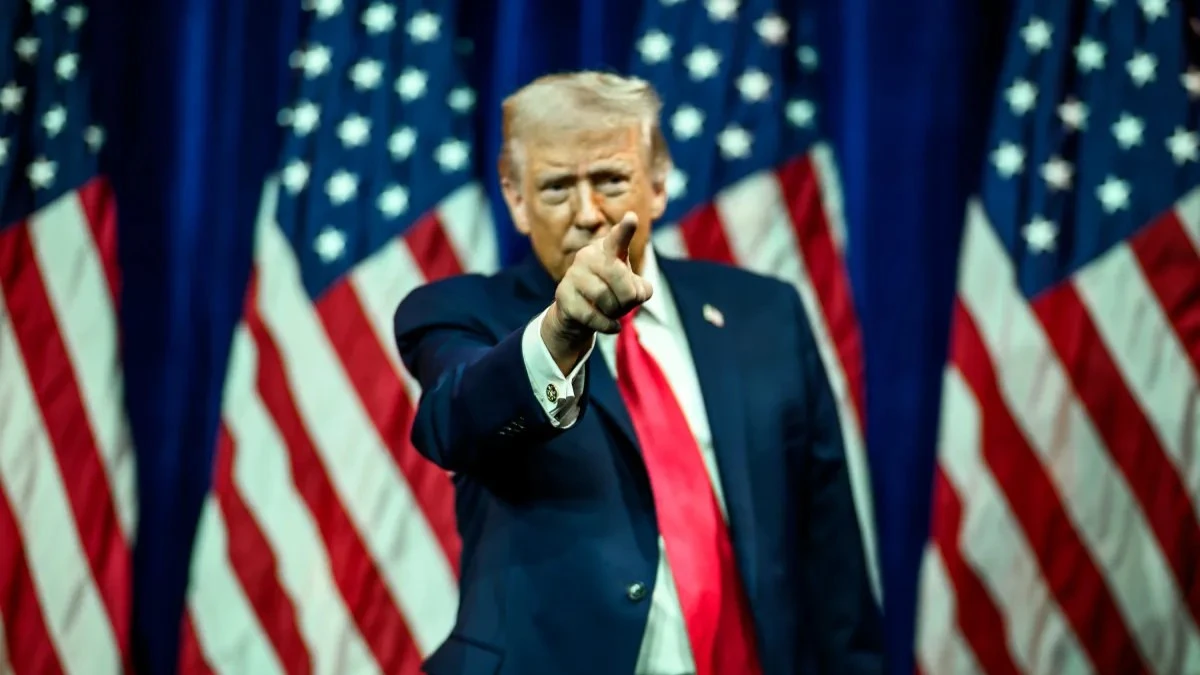
The market has priced US asset prices into Donald Trump's easing of trade duties, but the Supreme Court in February could decide otherwise, Jefferies warned / Photo: The White House
Investors should consider hedging risks in case the U.S. Supreme Court decides to uphold some of the sweeping trade duties imposed by President Donald Trump. This was warned by Jefferies in a research note quoted by Bloomberg. The retention of part of the duties may cause volatility in the markets, warns the investment bank.
Details
"The unexpected 'duties remain in place' decision has the potential to shake up the market as most participants have already priced in the easing," Aniket Sha, head of sustainable investments at Jefferies, said in a Bloomberg statement.
Most market participants, including Jefferies, are inclined to believe that the court will still cancel the disputed duties, Bloomberg writes. However, expectations of a quick verdict have already failed to materialize, and trade tensions have increased again due to the conflict between the U.S. and the European Union, caused by Trump's attempts to gain control over Greenland, the agency notes. The Supreme Court has yet to submit a decision, with no scheduled meetings until February 20, and publication of the court's position before that date looks unlikely, the agency added.
"If the Supreme Court upholds the duties imposed under the 'International Emergency Economic Powers Act of 1977' (IEEPA), it could be a green light for the continued use of trade restrictions as a foreign policy tool," Jefferies analysts said. - In this case, the risks associated with trade news will remain high well into 2026."
What Jefferies recommends
Aniket Sha advises investors to consider instruments such as put options or volatility index-linked assets "as a reasonable hedge". Alternatively, investments in sectors that are likely to continue to be exempt from duties, such as food and FMCG, can provide protection, Jefferies writes.
This article was AI-translated and verified by a human editor