Korea's fast-growing stock market has been caught in a "perfect storm". Shares collapsed by 7%
The main reason was the sell-off of chipmakers' securities, while the outflow of global investors and the weakness of the won intensified the decline
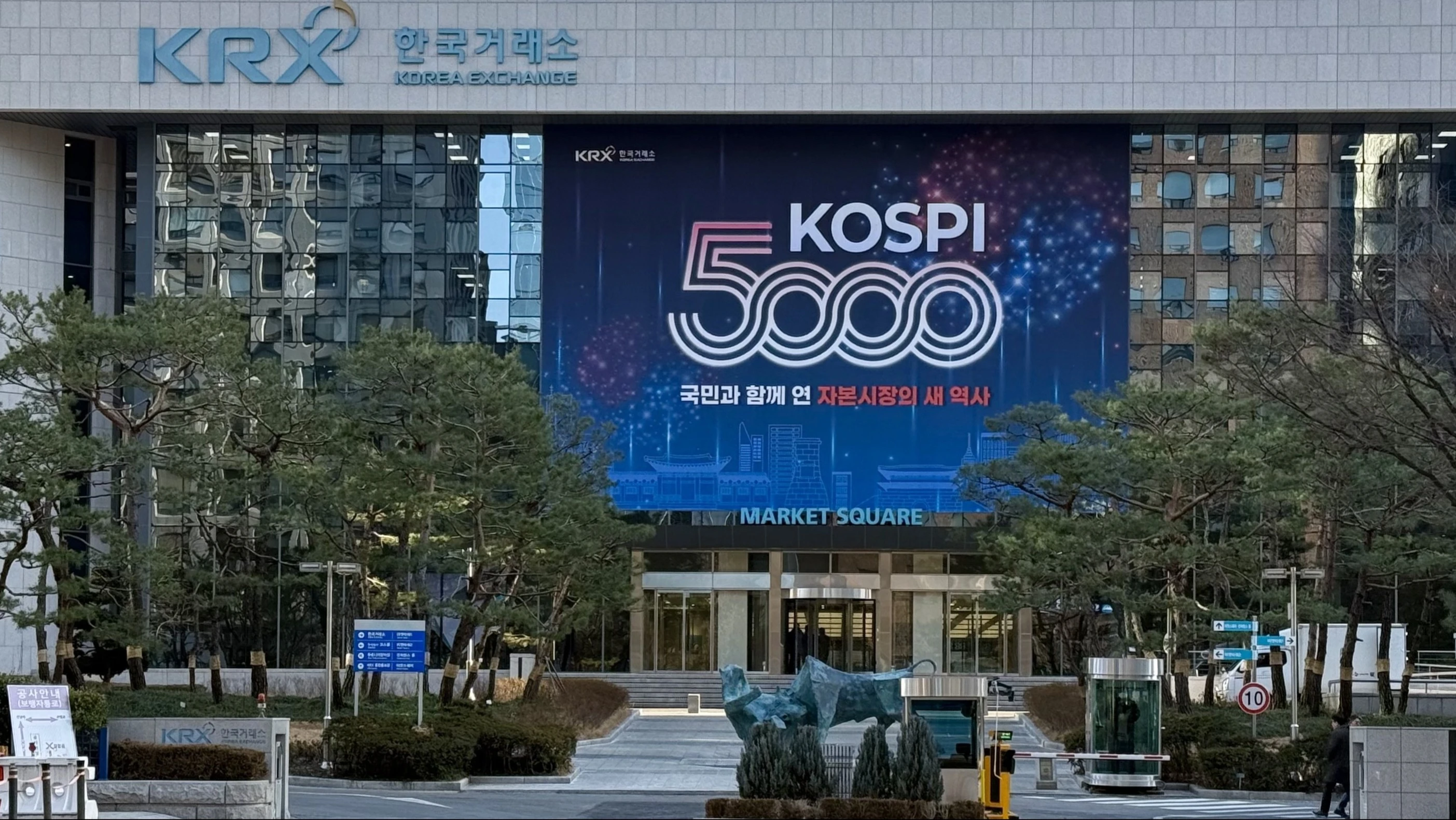
South Korea's stock market has doubled since the beginning of 2026 thanks to the AI boom / Photo: yllyso/Shutterstock.com
The South Korean stock market collapsed on the morning of June 5 after one of the strongest rallies of the year: the benchmark index of Korean shares Kospi fell by 7%, later recovering some of the losses. The main blow came to the securities of the country's two largest companies - suppliers of memory chips Samsung Electronics and SK Hynix. Their quotes during trading in Seoul collapsed by 7.5% and 9.6%, respectively.
What's broken?
Exchange "bulls" ignored the fall of the won for a long time, focusing only on the explosive growth of corporate revenues of chipmakers, but today all asset classes simultaneously sagged, Bloomberg states. The reason for the stock sell-off was the cautious forecast of the American semiconductor manufacturer Broadcom, which provoked the rotation of capital from the securities of the AI-sector to protective assets, CNBC reports.
In the stock market, the main problem is the narrow base of the rally: from the beginning of this year until yesterday, the Kospi rose more than 100%, but a significant part of the rise was provided by the securities of Samsung Electronics and SK Hynix, which now account for more than half of the capitalization of the Korean index. This makes the local market vulnerable to a sharp cooling of interest in AI assets, Bloomberg points out.
"Valuations [of stocks] in certain segments of the AI ecosystem are highly overvalued," the agency quoted Jeong In Yoon, head of Fibonacci Asset Management Global, as saying. "Volatility is likely to remain elevated in the short term, although we do not see this as a change in the broader trend," the expert added.
The perfect storm
Foreign investors have been selling Korean shares every day since Ma 7: Bloomberg cites profit taking combined with portfolio restructuring due to restrictions on the share of certain securities as the reason. At the same time, there are few signs of a reversal against AI stocks so far, the agency notes. "The current capital movement is mainly of a forced and technical nature, rather than reflecting real investor sentiment", - is convinced investment strategist of JPMorgan Chase Mikso Das.
The weakness of the Korean currency also played a role: despite Seoul's promises to take "prompt and necessary measures," its exchange rate fell to its lowest since 2009 on June 5. "If the won had been stronger, perhaps people would have been more willing to buy Korean stocks because it would have added yield in dollars," Das added.
A separate source of pressure is margin exchange traded funds (leveraged ETFs) tied to the performance of Samsung and SK Hynix shares. The four most popular funds accounted for 21% of total ETF turnover in Korea in the first five trading sessions after their launch on May 27. Due to the dominance of margin ETFs, Korea's current equity market structure is highly vulnerable to drawdowns, said Kenny Kim, head of Meridian One Asset Management. The mechanics of these funds are such that when prices rise, they fuel a rally, but when the market falls, they exacerbate the collapse, he explained.
What's next?
Optimism for Korean equities has not disappeared: demand for AI-related securities remains strong, Wall Street banks maintain positive earnings forecasts for chip makers, and Goldman Sachs this week raised its one-year benchmark for the Kospi by a third, from 9,000 to 12,000 points (the index closed at 8,207 points on June 5).
Another beneficiary of the AI boom in Asia, Goldman Sachs considers the Taiwanese stock market, led by TSMC, the manufacturer of chips for Nvidia and Apple. The investment bank upgraded its rating on the Taiwanese equity index to "above market" and raised its target 12% above current levels.
This article was AI-translated and verified by a human editor