Main by morning: Trump's new ultimatum to Iran, businesses are promised duty refunds

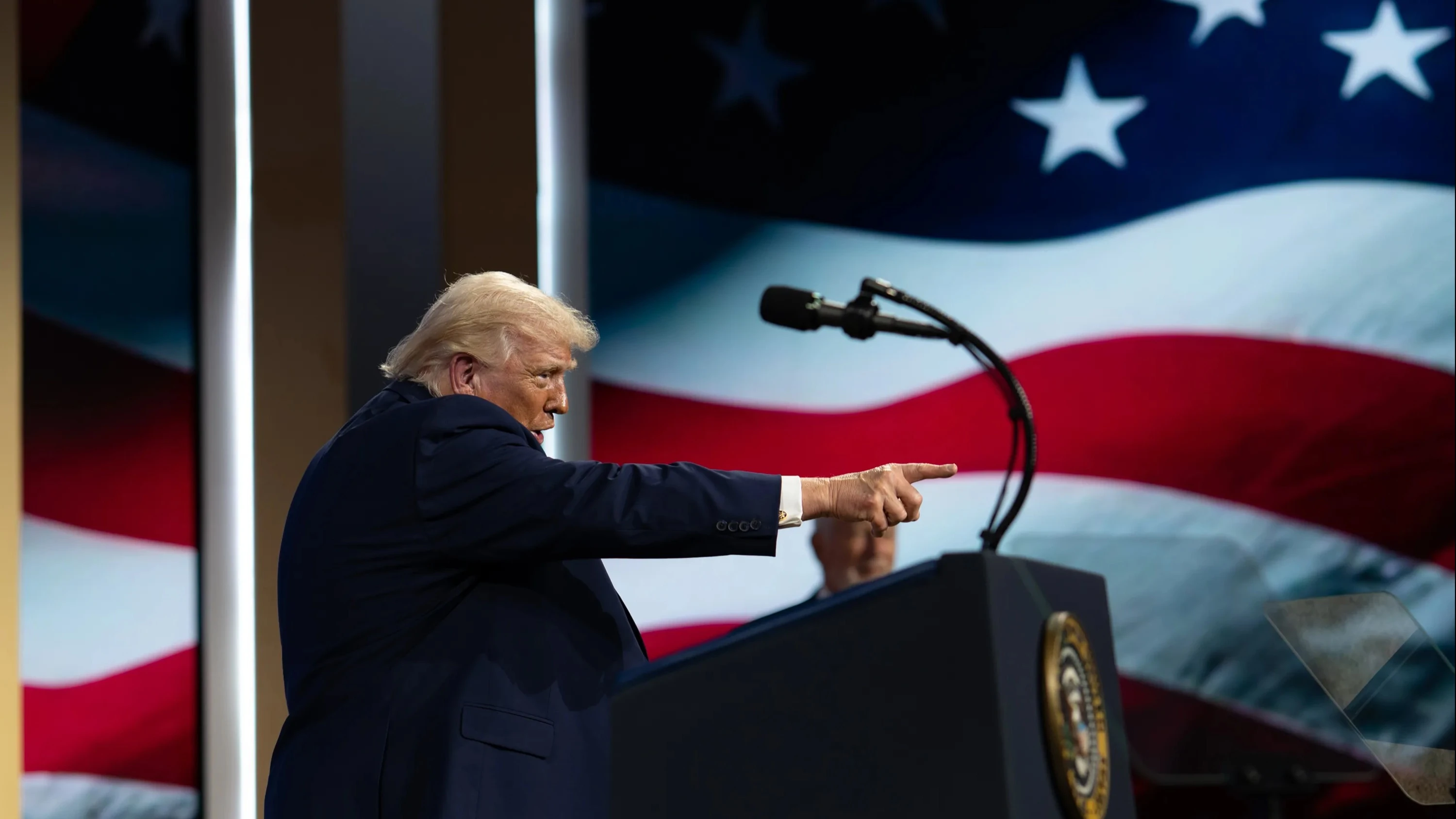
Donald Trump threatened new strikes on Iran's infrastructure and gave a deadline for opening the Strait of Hormuz / Photo: The White House
US President Donald Trump threatened new strikes on Iran's infrastructure and gave Tehran another deadline to open the Strait of Hormuz. Against this backdrop, the cost of US oil jumped above $115 per barrel due to the biggest supply disruption and the risk of losing up to 1 billion barrels. These and other topics - in our review of key events for the morning of April 6.
Trump threatened strikes on Iran's infrastructure and gave a new deadline
Donald Trump has said that the U.S. will strike Iran's power plants and bridges if Tehran does not open the Strait of Hormuz to shipping by Tuesday evening, 8:00 p.m. ET on April 7 (07:00 a.m. April 8 Astana time), CNBC reported. He also promised "tough" action against Iran. CNBC noted that possible destruction of civilian infrastructure in Iran could constitute war crimes under international humanitarian law.
Amid the threats, escalation continues, with Iran claiming downed U.S. planes and readiness to retaliate, and the U.S. reporting the rescue of an F-15 crew.
Oil rises on Trump's threats and the blockade of the Strait of Hormuz
Oil prices rose, with the cost of U.S. WTI crude exceeding $115 a barrel at an intraday high on April 6, while June Brent contracts jumped to $111.89 - amid Donald Trump's ultimatum to Iran to open the Strait of Hormuz by Tuesday, CNBC writes. The closure of the key route, through which up to 20% of the world's oil passed, has already caused fuel prices to spike. At the time of publication, futures for WTI with delivery in May are trading at $111.56, contacts for Brent with delivery in June cost $109.9 per barrel.
Oil supply losses could reach nearly 1 billion barrels by the end of the month, and the conflict is expected to drag on until at least the end of April, according to Ryan McKay, senior commodity strategist at TD Securities, CNBC points out. OPEC+ has agreed to increase production, but supplies remain in question due to attacks and damage to infrastructure in the region.
Neurocrine prepares $2.5 billion deal for rare disease
Neurocrine Biosciences is close to buying Soleno Therapeutics for more than $2.5 billion - together with it the company will receive a drug for a rare genetic disease that causes uncontrollable hunger and severe obesity (Prader-Willi syndrome), writes the Financial Times. The deal may be announced in the coming days and is at a premium to the current market valuation of the company.
The activity reflects the boom in biotech deals and acquisitions (M&A), the newspaper points out: pharma companies are actively buying promising biotech startups, especially those with strong drugs. In the case of Neurocrine Biosciences and Soleno, HC Wainwright analysts estimate that at the peak of sales, the drug could generate up to $2.3 billion in revenue per year.
U.S. prepares to roll back duties ruled illegal by Supreme Court
Donald Trump's administration has effectively acknowledged that companies will be able to recover money paid as a wide range of tariffs deemed illegal by the US Supreme Court, Yahoo Finance writes, citing court documents. We are talking about fees levied under the IEEPA (International Emergency Economic Powers Act of 1977, which allows the US President to impose economic sanctions): refunds can be obtained both on charges that have not yet been finalized and those that have already been closed - including those for which the appeal period has expired or almost expired.
The authorities are developing a refund procedure that could take about 45 days to review and process applications, the portal points out. Yahoo Finance notes that we could be talking about millions of dollars for importers, but warns: the final rules have not yet been fixed, and the authorities may try to limit the scale of payments.
What's in the markets
- Japan's broad Topix index was up 0.6 percent on April 6, while the Nikkei 225 was up 1.4 percent.
- Hong Kong and Chinese stock exchanges are closed due to holidays.
- In South Korea, the Kospi index rose 1.1 percent, while the Kosdaq fell 1.4 percent.
- The Australian Securities Exchange (ASX) is closed due to holidays.
- Futures on the S&P 500 were unchanged, futures on the Nasdaq Composite were up 0.2%. Exchange contracts on Dow Jones Industrial Average were down 0.2%.
This article was AI-translated and verified by a human editor