Trump has promised to hit Iran's power plants. How does this threaten U.S. allies?
Attacks on Iran's energy infrastructure could trigger retaliatory strikes on U.S. allies' facilities in the Persian Gulf

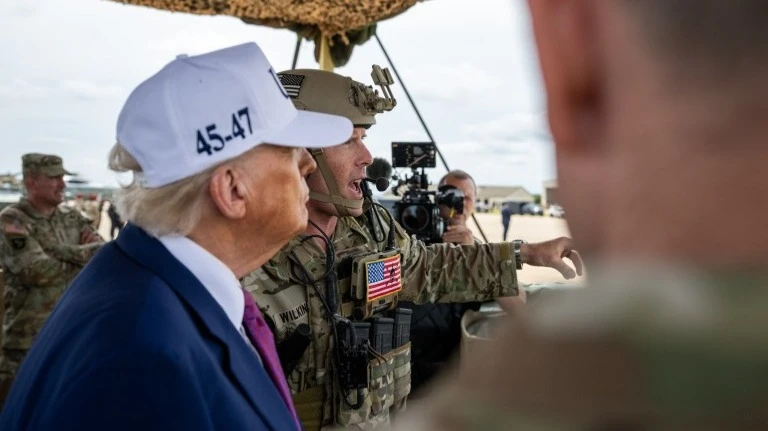
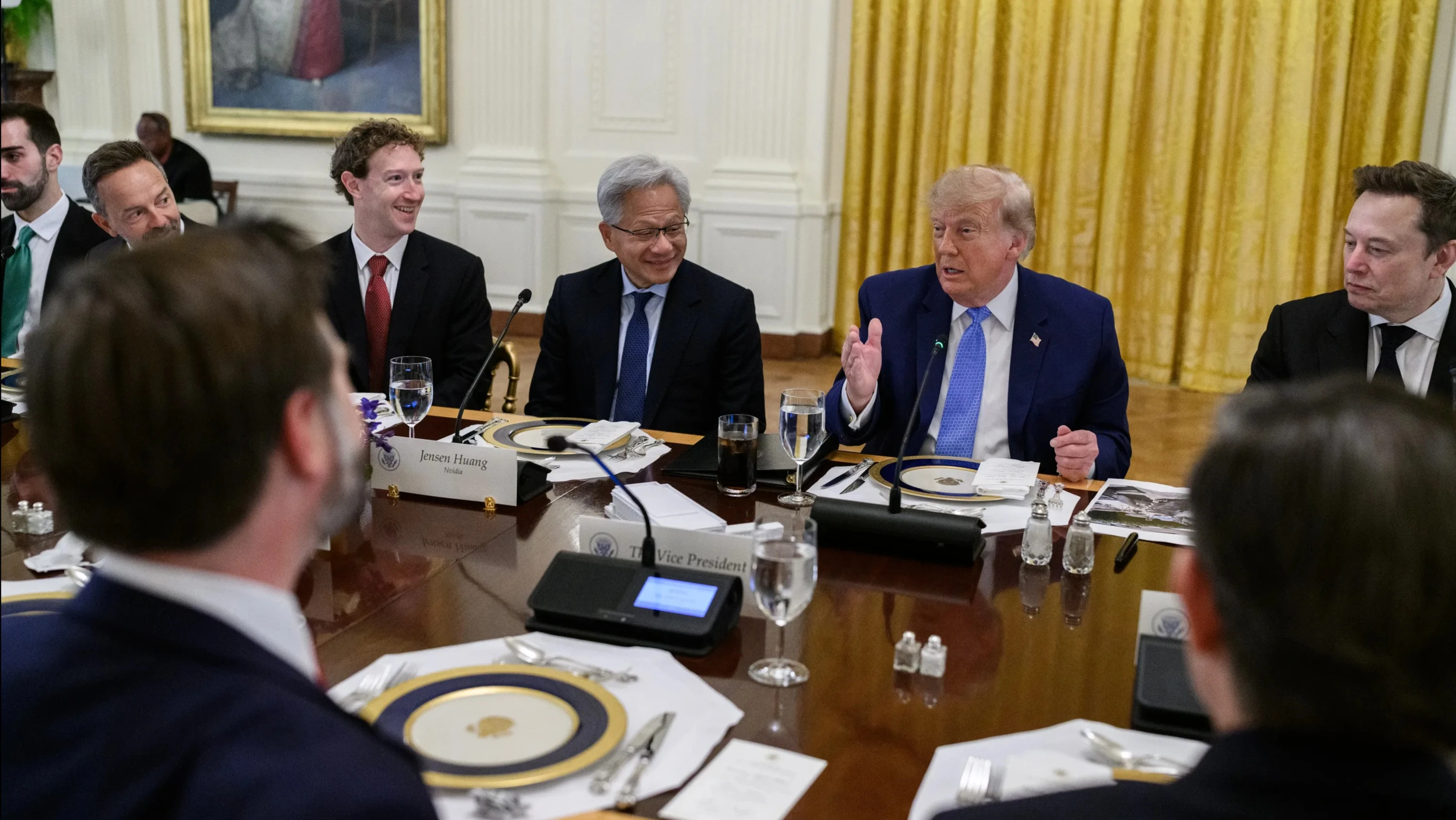
Trump had previously threatened to bomb Iran's energy infrastructure, but then postponed the deadline, citing negotiations / Photo: whitehouse.gov
The US will strike Iranian power plants and bridges on Tuesday, April 7, if the Strait of Hormuz, a key route for Persian Gulf oil and gas supplies that Tehran has virtually blocked since the war began on February 28, is not unblocked by then, US President Donald Trump said on Truth Social media.
"Tuesday will be both Power Plant Day and Bridge Day in Iran. Nothing like this has ever happened before!!!" - Trump wrote in his post, complete with profanity toward the Iranian leadership. According to him, Iran will "live in hell" if it refuses to fulfill his demands.
Context
Trump has previously threatened to bomb Iran's energy infrastructure, but then postponed the deadline, citing negotiations. An attack on civilian infrastructure could be considered a war crime under international law, NBC News notes. Still, administration officials, including Defense Secretary Pete Hegseth, have convinced Trump that Iranian power plants and bridges could be considered legitimate military targets because their destruction could paralyze the country's missile and nuclear programs, The Wall Street Journal reported, citing sources. The strategy raises legal and humanitarian questions, including whether it would do more harm to Iran's population, which the president has previously promised to help, the Journal notes.
In addition, Trump's threats to bomb Iranian power plants have alarmed some U.S. partners from the Persian Gulf countries, the WSJ writes. They fear that this could prompt Tehran to retaliate against their energy infrastructure. These fears are not unfounded: after Israel struck Iran's major South Pars gas field in March, Iran retaliated by striking Qatar's major gas field.
This article was AI-translated and verified by a human editor