Michael Burry pares shorts, now favoring undervalued stocks
The famed short seller has closed his bets against the Nasdaq 100 and Nvidia and is now mostly in long-term positions


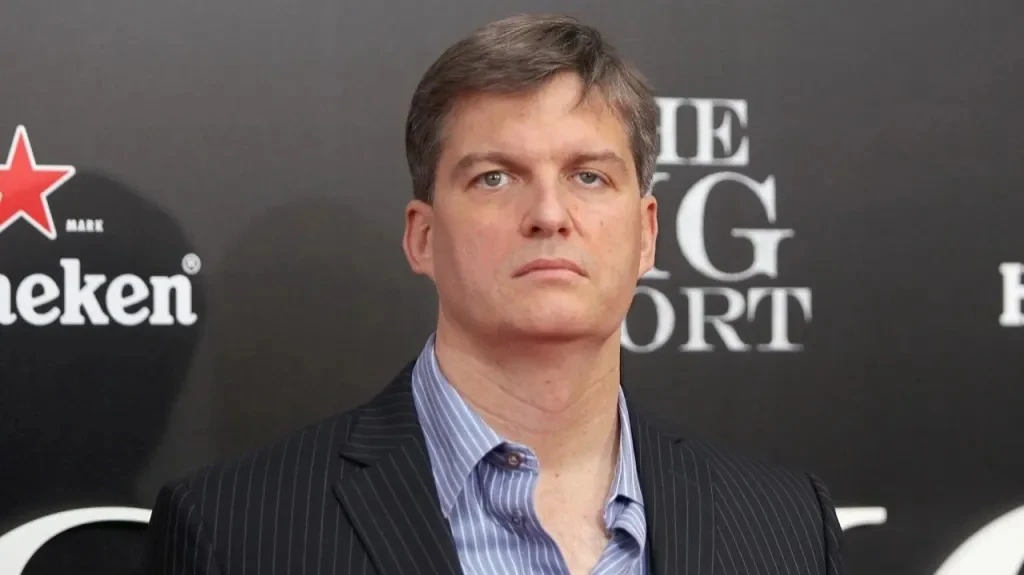
Michael Burry has temporarily closed almost all of his bearish bets / Photo: favoritesphoto / Shutterstock
Michael Burry, the investor who inspired a hero in The Big Short, has temporarily closed almost all his bets against the market and is focusing on buying undervalued stocks to hold for the long term. In his Cassandra Unchained blog on Substack, Burry outlines how he is allocating his portfolio, names his biggest holdings, and explains what it would take for him to short Nvidia again.
Short positions closed by Burry
Burry said he is no longer betting against the Nasdaq 100. He sold his remaining put options on the index on Wednesday as tech stocks fell in premarket trading.
His only remaining bearish positions are puts on shares of AI software developer Palantir and insurer MetLife. Burry said his portfolio is more heavily tilted toward long positions than it has been in some time. He stressed that the shift is temporary and that he is still looking for short opportunities. But falling stock prices and rising volatility have made puts expensive even on shares of stable companies with only indirect ties to the AI infrastructure buildout, he noted.
Burry still plans to bet against Nvidia again. “My plan is to short Nvidia again nearer $200/share during a period of market optimism. That time is not now,” he said.
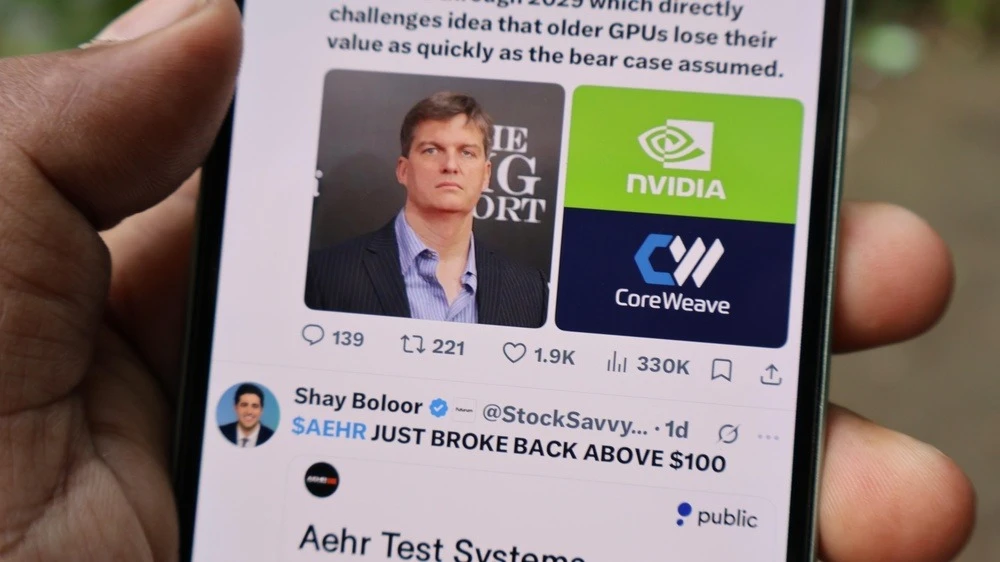
Burry mentioned he still holds the Nvidia call options he bought on Friday, with strike prices well above where the stock now trades. He paid just a few dollars for the options, which have already doubled in value. Unlike puts, calls give investors a way to profit when the underlying asset rises in price.
Burry's current portfolio
Burry’s largest positions, each accounting for 8-20% or more of his portfolio, are Latin American e-commerce platform Mercado Libre, Australian online furniture retailer Temple & Webster, and Chinese online marketplace JD.com. He also holds JD.com call options that expire as late as 2029. Burry said it is natural for him to favor foreign companies as U.S. stocks still trade at high valuations.
Software company Adobe, footwear makers Birkenstock and Deckers, health insurer Molina Healthcare, hospital operator HCA Corp., athletic apparel brand Lululemon, fintech companies Fiserv and PayPal, cloud software developer Veeva, and stuffed-animal retailer Build-A-Bear each account for 3-6% of Burry’s portfolio.
Most of those also are churning high volume as they attempt to round out, pound out and consolidate a bottom. Years from now, that high volume will look obvious as a bottoming process. Today, of course it feels like being whipsawed while enduring an eternity.
Burry also holds Series B preferred shares in building materials supplier QXO and calls on supermarket chain Sprouts Farmers Market and animal health drugmaker Zoetis. Hong Kong stocks make up just over 20% of his portfolio. His individual positions in EV manufacturer BYD, tech giant Tencent, food delivery service Meituan, restaurant chain Haidilao, and home appliance maker Haier Smart Home account for 2-3% each or less.
Burry sold most of the shares he bought in copper producer Ero Copper in September to realize a loss for tax purposes. He still likes the company but said he mistimed the purchase. He plans to revisit the investment in a month.
Cash now makes up about 25% of Burry’s portfolio, mostly from profitable put option trades and money he added to his accounts. He said he is looking for opportunities to put that cash to work and may leave it undeployed if none materialize.