Musk has proposed a remedy for unemployment in the AI era. What could go wrong?
The billionaire's idea will bankrupt any government that tries to implement it, an economist has warned

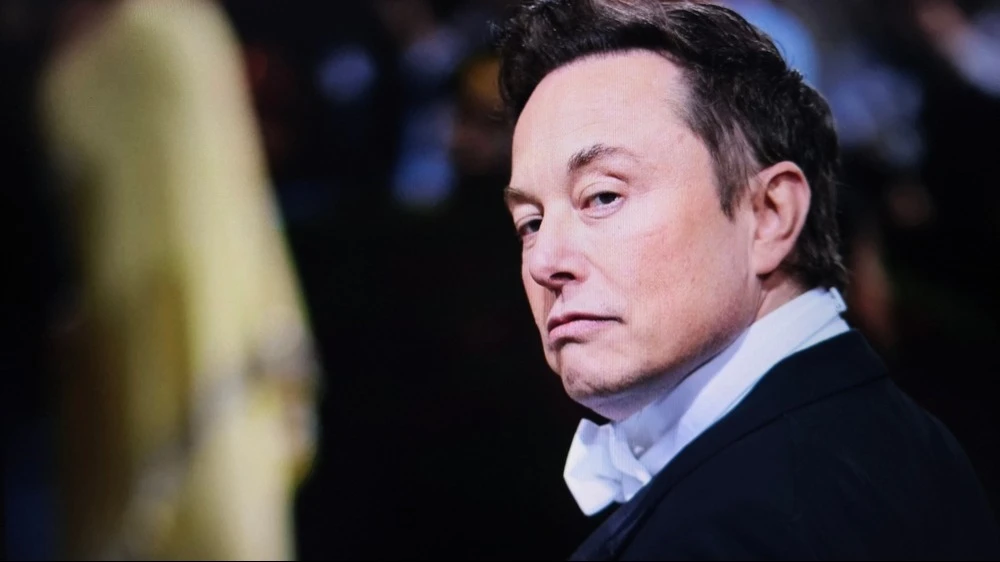
Musk believes that artificial intelligence and robotics are the only way to solve global poverty / Photo: FotoField / Shutterstock.com
The world's richest man, SpaceX and Tesla founder Elon Musk has proposed the introduction of an "unconditional high income" as a solution to the massive unemployment caused by the introduction of artificial intelligence.
"Universal HIGH income in the form of checks issued by the federal government is the best way to deal with AI-driven unemployment," Musk wrote on social media X. He added that this money handout will not increase inflation because "artificial intelligence and robotics will produce goods and services at a rate that far exceeds the growth of the money supply."
The billionaire also reposted a video in which he discussed the idea. In it, he says that if the growth rate of production of goods and services exceeds the growth rate of money supply, as he predicts, deflation will occur.
"A future of incredible abundance."
Musk has been publicly advocating the idea of an unconditional basic income since at least 2016. At this year's World Economic Forum, he said that artificial intelligence and robotics are the only way to solve the problem of global poverty and provide everyone with a very high standard of living.
"We need to be very careful with AI and robotics. We don't want to end up in 'Terminator,' do we? But if we have ubiquitous and essentially free AI and robots, we're going to have explosive growth in the global economy that will really surpass all precedent," Musk said. - I'm very optimistic about the future. I think we're headed for a future of incredible abundance.
His ideas are not shared by everyone. "Unconditional high income" proposed by Musk would bankrupt any government that tries to implement it, economist Sanjeev Sanyal, who advises the Indian government, wrote in X.
"AI will certainly cause redistributions in the labor market, but like any technology, it will also create new jobs and opportunities in the medium term. Nor will AI and robots produce goods and services in such surplus relative to money or demand that it will not stoke inflation. Both of these assertions are classic fallacies of those who believe that there is a finite number of jobs and a finite set of consumer needs in the world. According to their logic, we have long since surpassed everything that even the richest man in 1800 could have imagined, which means there should be neither jobs nor inflation in the 21st century," he wrote.
OpenAI Manifesto
A few days ago, OpenAI, with whose CEO Sam Altman Musk has a long-standing public conflict, published its ideas on how to deal with the impact of AI on the labor market. In a 13-page document, the company proposed creating a state welfare fund through which AI revenues would be partially distributed among the population, introducing a "robot tax" and allowing workers to switch to a four-day work week without a pay cut.
This article was AI-translated and verified by a human editor