Musk is returning to politics. Last time, it cost Tesla shareholders dearly
The billionaire's political activism may call into question his focus on business

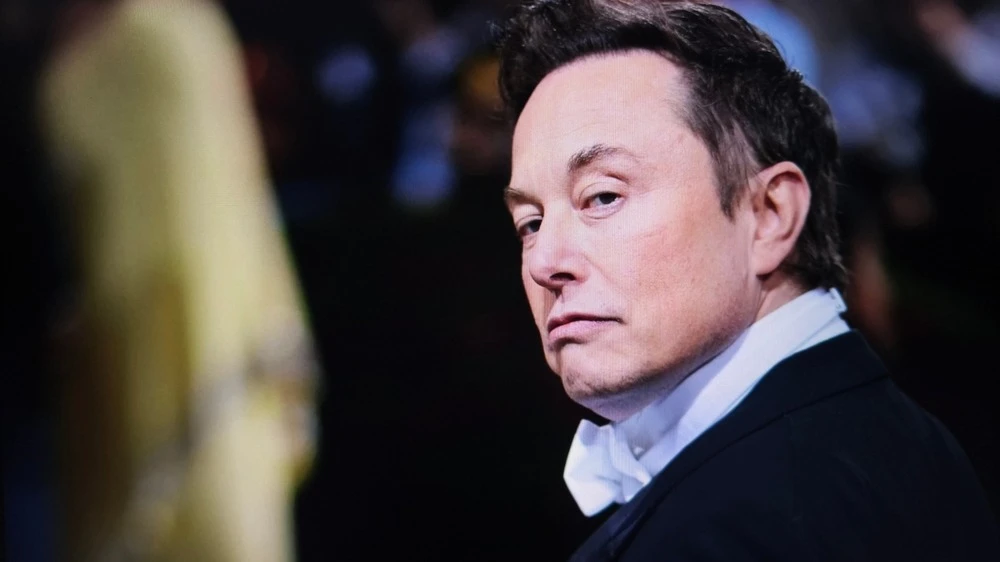
Elon Musk is resuming political activity ahead of the midterm elections in the United States in 2026, The Wall Street Journal reports, citing sources. The billionaire's team has already begun preparations for a possible campaign, the sources told the publication. For investors, this news is of particular importance: Musk's political activity last year led to reputational losses for Tesla and increased volatility of its shares.
Details
The head of electric car maker Tesla, Elon Musk, is resuming political activity ahead of the 2026 US midterm elections, sources told The Wall Street Journal. According to them, in recent weeks the billionaire's team has been meeting with potential contractors ahead of possible work in the election, with a focus on digital campaign and SMS specialists.
There are signs that Musk is again ready to spend large sums on election campaigns, writes WSJ. Earlier Axios wrote that this year the head of Tesla has already sent $10 million to support a candidate for the Senate - Republican Nate Morris - through a finance committee working in his favor.
That said, the WSJ estimates that Musk's relationship with US President Donald Trump has warmed noticeably again - after a public breakup over the summer.
By the 2026 election, the newspaper's sources say, the billionaire intends to mobilize Trump supporters who previously only voted in presidential elections and get them involved in midterm elections and voting for congressional candidates. WSJ adds that Musk's plans are not yet finalized and the scope of participation remains flexible.
The White House and Musk himself declined to comment to the publication.
The price of political activism
For Tesla shareholders, Elon Musk's political and public activism remains a sensitive topic.
The billionaire's brief career in the Department of Government Efficiency last year caused notable reputational damage to the company, noted Wedbush Securities analyst Dan Ives. Musk promised to cut government spending by $2 trillion a year through layoffs and program closures, but only a fraction of those plans were implemented. At the same time, his activities were accompanied by protests outside Tesla showrooms and vandalism of cars, Reuters reported.
This reputational pressure became one of the factors of weakening demand for Tesla's electric cars and led to a decrease in the company's market capitalization. According to Visible Alpha estimates, global sales of Tesla in 2025 may decline by 7%, while a year earlier Musk predicted growth of 20-30%. Against this background, investors expect the company's CEO to turn around business results and fulfill his goals - and are ready to pay $1 trillion for his motivation.
After leaving the White House, the billionaire himself and Tesla's board of directors assured investors that Musk would focus on the business. The market, however, has already partially put these expectations into quotations. After falling in the first half of the year, Tesla shares ended 2025 with a growth of more than 10%. In 2026 quotations are still without any pronounced dynamics. At the end of trading on January 22 securities rose by 4.1%, and at the premarket on January 23 added another 0.8%.
This article was AI-translated and verified by a human editor