Musk proposed timing SpaceX IPO to coincide with start of planetary parade - Financial Times
SpaceX IPO has the potential to be the largest in history. The company expects to raise up to $50 bln

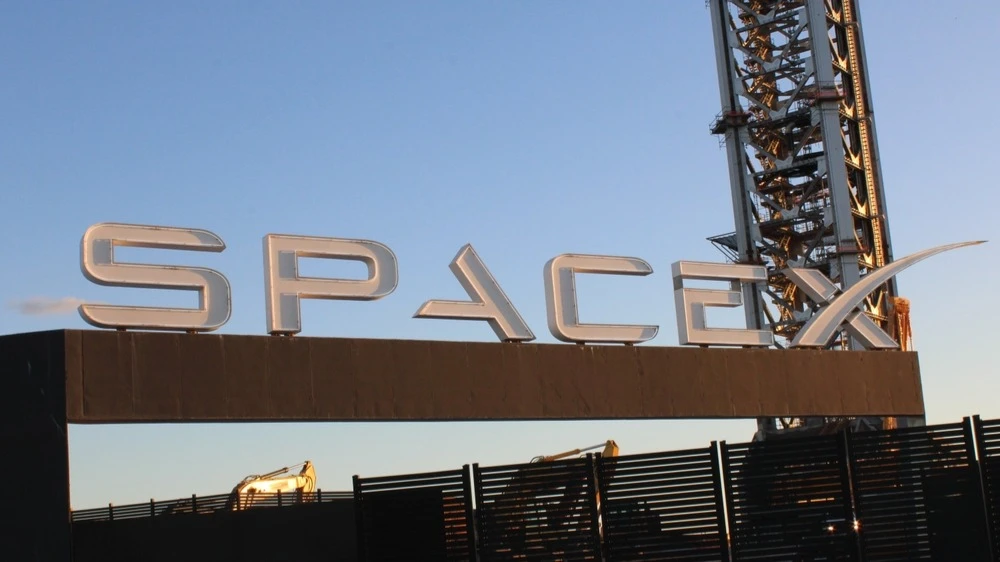
Musk has proposed that the potentially largest IPO in history be timed to coincide with a rare planetary convergence and his own birthday / Photo: Findaview / Shutterstock
Elon Musk suggested timing the IPO of aerospace company SpaceX to coincide with a rare planetary convergence and his own birthday, writes the Financial Times. The company is considering listing in mid-June 2026 - in the period when Jupiter and Venus for the first time in more than three years will be at a minimum distance from each other, five sources told the publication.
SpaceX expects to raise up to $50 billion at a valuation of about $1.5 trillion. If realized, these parameters would make this offering the largest in history, far surpassing the record of Saudi Aramco, which raised $29 billion in 2019. The newspaper's sources emphasize that all parameters of the deal remain preliminary and could change.
Last week, the Financial Times reported that SpaceX is considering Bank of America, Goldman Sachs, JPMorgan Chase and Morgan Stanley as lead organizers for the listing.
SpaceX also sees going public as a way to raise additional funding for the development of the Starship rocket, a key SpaceX project focused on missions to Mars, the FT writes.
Context
On June 8 and 9, Jupiter and Venus will be visible from Earth at a distance of just over one degree apart - about the width of a thumb on an outstretched hand, the Financial Times quoted the nonprofit organization The Planetary Society as saying. A few days later, Mercury will also diagonally line up to them. An additional factor in choosing this period for a possible SpaceX IPO was Musk's birthday on June 28.
The unusual approach underscores Musk's personal influence on SpaceX: the company's key corporate decisions often reflect his views and priorities, from ambitious production goals to unconventional management practices, the FT notes.
This article was AI-translated and verified by a human editor