Musk wants to merge SpaceX and xAI into one company before IPO - Reuters
According to Bloomberg, a merger with Tesla is also a possibility

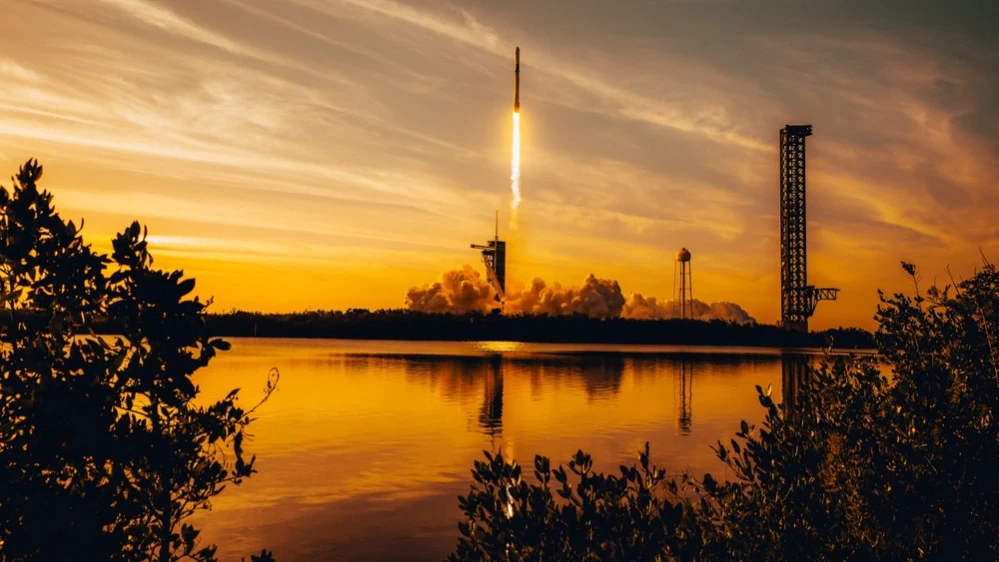
Once SpaceX and xAI merge, Musk will be able to place data centers for Grok's AI in space/ Photo: y0ye / Shutterstock.com
Updated: added Bloomberg information about a possible SpaceX merger with Tesla.
Elon Musk's SpaceX and xAI are discussing a merger ahead of an expected IPO, Reuters reported, citing a source and corporate documents. In this case, under one roof will be rockets, satellites Starlink, social network X and artificial intelligence Grok. Combining Musk's assets will allow the billionaire to start creating orbital data centers for AI, as well as strengthen his position in the artificial intelligence race against such giants as Google, Meta and OpenAI, the agency said.
SpaceX is considering a merger with Tesla or an alternative merger with xAI, Bloomberg sources claim. According to them, some investors insist on the merger of SpaceX with Tesla.
Tesla shares rose more than 2% in extended trading on January 29. The main session ended with a decrease of 3.4%. A day earlier, Tesla published its financial statements.
How the merger can be realized
As part of the discussed merger, xAI shares would be exchanged for SpaceX shares, according to Reuters. Two entities are registered in the state of Nevada for the deal, the agency's source claims. One has listed SpaceX and the company's CFO, Brett Johnsen, as managing directors in the documents. The second entity listed Johnsen as the sole manager.
Johnsen did not respond to Reuters' request for comment. Representatives of Musk, SpaceX and xAI did the same.
The agency was unable to establish the value of the deal being discussed, its main objectives or likely timing. In the documents consulted by Reuters, there was no information about the purpose of the two companies and their role in any deal. According to a Reuters source, some top executives at xAI may be offered an option to receive cash instead of SpaceX shares.
Both companies are headed by Elon Musk, the world's richest businessman. He also runs electric car manufacturer Tesla, The Boring Co. and neurotechnology startup Neuralink.
How much are companies worth
SpaceX was valued at more than $800 billion at the end of its last offering to limited investors, including employees and early shareholders. xAI, according to the WSJ, was valued at $230 billion in November. The SpaceX IPO could take place as early as 2026: Musk and the board have already approved the offering plan, including hiring key employees and a strategy for using the capital raised, Reuters writes.
On January 29, Tesla disclosed a deal to invest roughly $2 billion in AI startup xAI: On January 16, the company agreed to buy preferred shares of xAI as part of its funding round. The WSJ also reported in November that SpaceX would invest $2 billion in xAI as part of a $5 billion round.
Why it's necessary
The merger of the two companies will strengthen SpaceX's position in the fight for large defense contracts, according to Reuters. According to analyst Kaleb Henry of Quilty Analytics, the merger of Starlink and AI models may interest the Pentagon, which is increasing the use of AI in military systems.
U.S. Secretary of Defense Pete Hegseth visited the SpaceX Starbase launch site in Texas in January. There, he announced that the Grok chatbot and xAI neural networks will be integrated into military AI networks as part of a strategy to accelerate decision-making.
xAI already has a contract with the U.S. Department of Defense worth up to $200 million to supply Grok products. Starlink and its secure version Starshield actively use AI, for example, for automatic maneuvering of satellites. The U.S. intelligence contract calls for the creation of a network of hundreds of classified satellites with AI sensors capable of tracking moving targets on Earth, Reuters reports.
Speaking at Davos, Musk said, "The cheapest place to put AI will be in orbital data centers. This will happen within two, maximum three years." Such solar-powered centers should reduce the cost of computing to train AI models like Grok.
Competitors also have developments in this direction: Blue Origin has announced the construction of a global satellite backbone network, and Google is developing orbital data processing centers as part of Project Suncatcher. However, analysts doubt whether the possible advantages in energy saving can compensate for the high costs and technological risks of maintaining space infrastructure.
This article was AI-translated and verified by a human editor