Nostalgia for 2016 could lead to a beauty boom: who will lead the trend in the market?
Social media users' interest in 2016 aesthetics may return the attention of consumers and marketers to manufacturers of brightly colored decorative cosmetics, analysts say

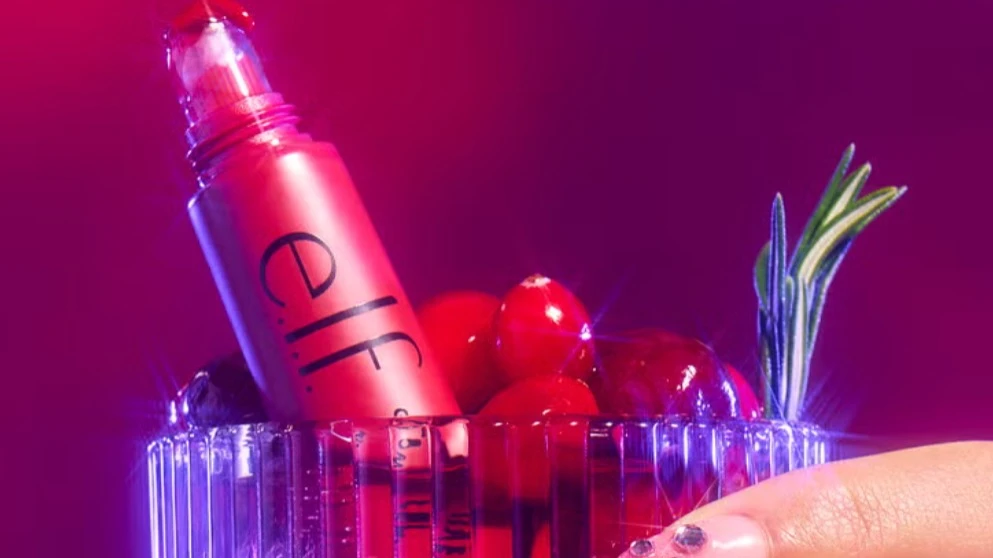
The last supercycle the beauty industry experienced was around 2012-2018 / Photo: Elf Beauty
Social media nostalgia for 2016 is bringing back consumer interest in brightly colored decorative cosmetics and creating opportunities for investors in the beauty products industry, analysts say. The main beneficiaries of this trend, in their opinion, can become beauty brands, writes MarketWatch....
At the close of trading on Friday, February 6, following the release of strong quarterly results, shares of e.l.f. Beauty rose nearly 7% to $82.09 apiece. Ulta shares were up nearly 2% to $690.37 at the close of trading on Feb. 6. At the beginning of trading on February 9, both companies traded slightly down (minus 1% for e.l.f. Beauty and minus 0.01% for Ulta shares).
Details
The company e.l.f. Beauty, a maker of cosmetics and skincare products, and beauty retailer Ulta could benefit from a nostalgia trend popular on social media for 2016 - the era of selfies, when permanent makeup was in vogue, MarketWatch reported. The trend could bring back consumer and investor interest in the beauty brands that were popular during that period, according to Sky Kanaves, a retail and e-commerce analyst at research firm eMarketer.
According to eMarketer's estimates, the cosmetics market will grow by more than 4% in 2026 and will become one of the growth leaders in the retail industry. Analysts expect to see such dynamics on the wave of consumer interest in brightly colored decorative cosmetics after several years of popularity of neutral colors and aesthetics of "makeup without makeup" style ("clean girl"), notes MarketWatch.
Why the market is betting on these brands
e.l.f. Beauty has a flexible supply chain and in some cases is able to take a product from idea to store shelves in as little as nine weeks, notes Jefferies analyst Sydney Wagner. Last year, the company bought the Rhode brand, founded by Haley Bieber, for $1 billion, allowing e.l.f. Beauty to offer clean girl-inspired products while maintaining bolder choices in its other cosmetics lines, MarketWatch points out. Rhode's sales forecast for this year is about $260 million to $265 million instead of the previously expected $200 million.
Beauty retailer Ulta, in which Wall Street also sees promise, is poised to respond quickly to changing makeup trends, MarketWatch notes. Shoppers may not buy multiple brands of care cosmetics at once, but will be eager to add different shades and makeup products to their makeup bags, MarketWatch summarizes, recalling that until now, the beauty industry experienced a supercycle from about 2012-2018.
Most analysts, according to MarketWatch, see upside potential for e.l.f. stock. Beauty, but some already believe the current price may be close to fair. 13 experts advise buying the company's securities, while another four advise holding.
As for Ulta, the market is generally "bullish", but some analysts believe that now it is worth to be more cautious and not to increase positions. 17 analysts recommend to buy securities of the company, 11 advise to hold them, and only one suggests to sell.
This article was AI-translated and verified by a human editor