Nvidia will sell millions of chips to Meta. For which companies was this bad news?
Meta Platforms' multibillion-dollar bet on Nvidia chips has triggered a selloff in the securities of rivals of the main beneficiary of the AI boom

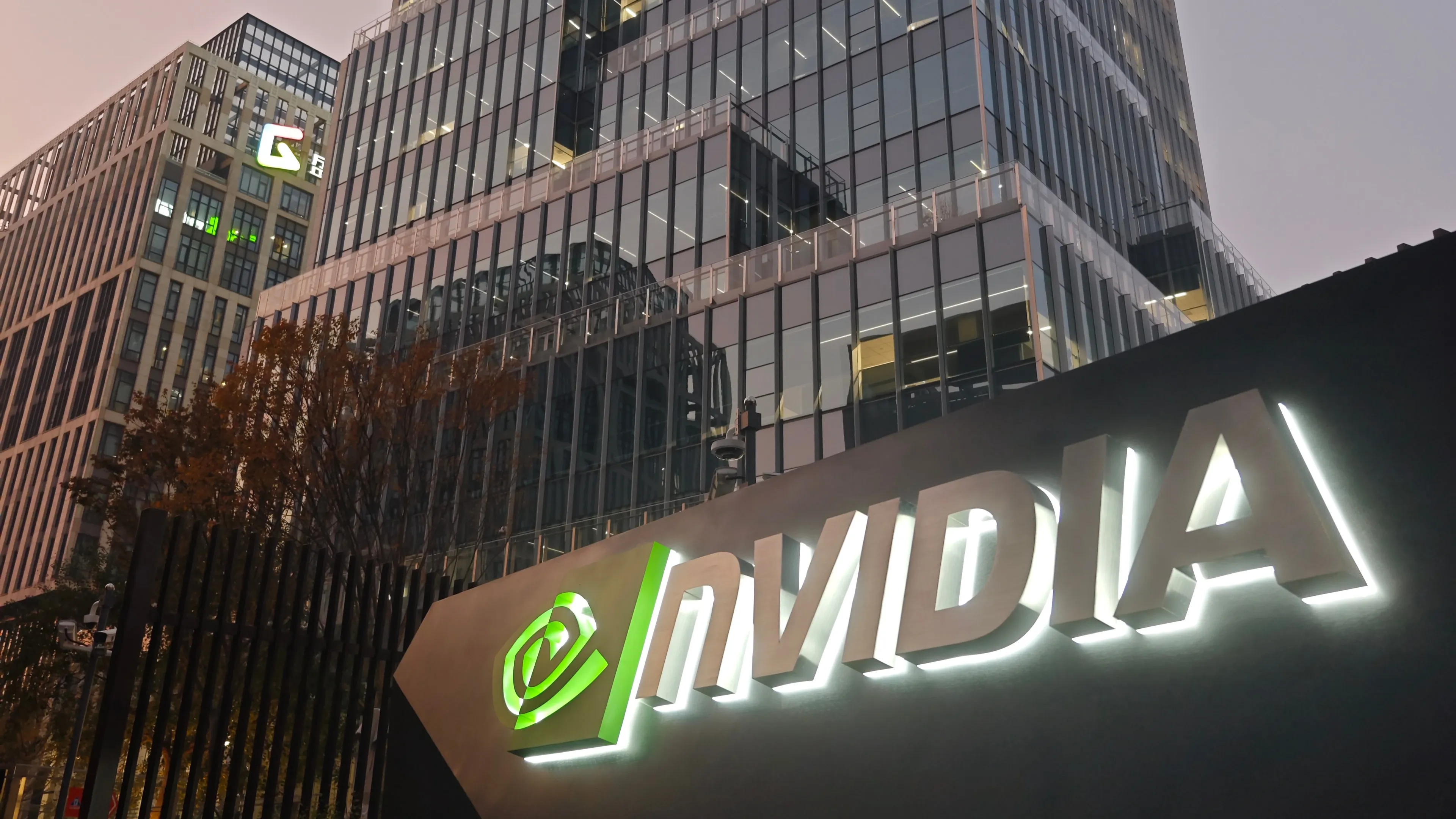
Nvidia dominates the data center chip market with an 80% share, IDC estimates / Photo: Shutterstock.com
Nvidia has signed a multi-year agreement with Meta Platforms to supply millions of chips worth tens of billions of dollars. The deal comes at a time when the largest chipmaker is struggling to face growing competition and maintain its leadership in the AI data center hardware market. Nvidia has been a major beneficiary of the neural network boom for several years, but customers are now looking to reduce their dependence on it.
Details
As part of the deal, parent company Facebook will purchase millions of chips from Nvidia for its AI data centers over the next few years. The agreement with the largest chipmaker is part of Meta's commitment to invest $600 billion in building data centers and the necessary infrastructure for them in the United States by 2028. Financial terms of the deal were not disclosed, but analysts at Creative Strategies estimate the contract at "tens of billions of dollars," CNBC reported.
Why it's important
Meta has been buying Nvidia's flagship product - graphics processing units (GPUs) - for more than a decade, which, due to their parallel computing ability, are more efficient in AI training than traditional processors (CPUs, aimed at sequential computing), but the current agreement qualitatively changes the format of cooperation between the two Silicon Valley giants. A fundamental innovation is the change in server architecture: if usually CPUs are built into servers in conjunction with GPU-based AI gas pedals, then under this deal Meta will for the first time deploy a large number of CPUs from Nvidia in data centers as standalone chips, CNBC notes.
Who threatens Nvidia's dominance
Global companies' frenzied demand for AI chips has ensured Nvidia's dominance of the data center chip market: according to IDC, Nvidia's share exceeds 80%, CNN reported in early February. However, the main beneficiary of the AI infrastructure investment race of the past three years is facing increasing attempts by customers to reduce their dependence on its chips, according to the Financial Times.
Google, Amazon and Microsoft have all introduced their own chips in recent months, while OpenAI has partnered with Broadcom and struck a major deal with AMD. Investors are reacting sharply to any threats to the market leader's position: Nvidia shares collapsed at the end of 2025 after media reports about Meta's intention to buy Google's processors, although the deal has not been officially announced yet, the FT notes.
On the news of a new deal on the OTC trading in the U.S. shares of Nvidia and Meta added 1%. At the same time, the shares of Nvidia's competitors sold off. AMD shares lost almost 2%, Broadcom - more than 1%, and quotes of switch manufacturer Arista collapsed by more than 3%.
"In-depth joint engineering development and software optimization efforts are expected to improve performance per watt, scalability and operational efficiency, strengthening Nvidia's position at the center of Meta's next-generation AI infrastructure roadmap," Raymond James analyst Simon Leopold said in a note to clients cited by MarketWatch. He added, however, that he believes Meta will continue to rely on different partners to supply chips.
According to FactSet, Wall Street analysts forecast strong growth of chipmakers' quotations: average target prices for AMD ($288.02) and Nvidia ($260.26) suggest share price appreciation by 42% and 41%, respectively. The consensus on Nvidia is Buy, while AMD is Overweight, also in line with a Buy recommendation. Evercore ISI analyst Amit Daryanani urged investors to take advantage of the drop in Arista shares to buy, noting that the Nvidia and Meta deal is "more of a repeat" of the previously announced agreement between the two companies and is unlikely to affect Arista's revenue outlook.
This article was AI-translated and verified by a human editor