Oil at $150: Goldman Sachs says oil prices will return to 2008 peaks
Bank revises oil forecasts for second time in two weeks due to threat of prolonged blockage of Strait of Hormuz

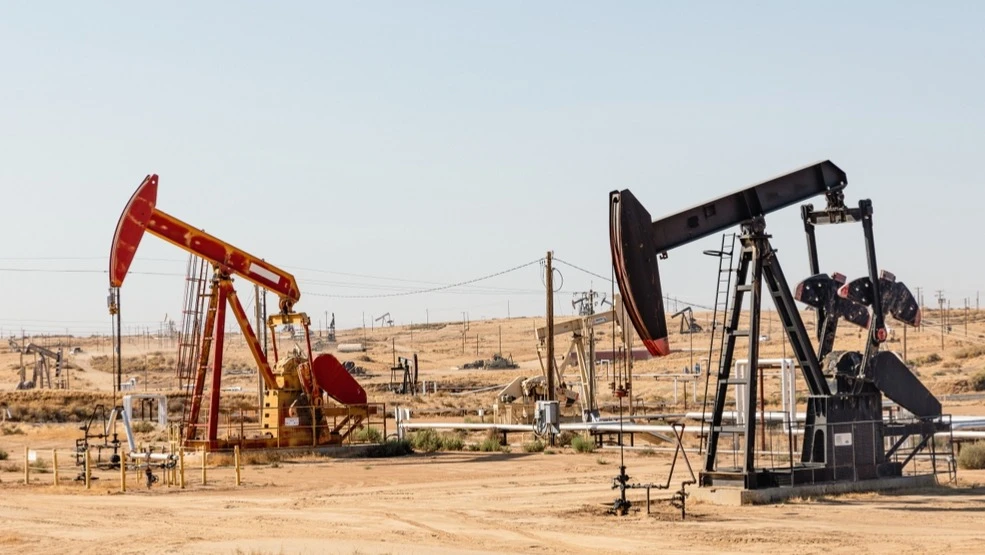
Investment bank Goldman Sachs for the second time since the beginning of March raised the forecast of oil prices for 2026, writes MarketWatch. Because of a possible long-term blockage of navigation through the Strait of Hormuz, the cost of a barrel may jump to the level of 2008 - almost to $150, analysts warned.
Details
By the end of the fourth quarter of 2026, the price of Brent crude oil will be at $71 a barrel and U.S. West Texas Intermediate (WTI) crude at $67, these are the forecasts made by Goldman Sachs analysts led by Daan Struyven, MarketWatch reports. In a previous note dated March 4, the Goldman team expected Brent at $66 and WTI at $62 by the end of the year. At the time of publication, Brent crude is trading at $99.5, while WTI futures for delivery in April are trading at $94.9.
At the same time, analysts warned, oil prices will be significantly higher than their forecasts in the near future. "While it is unclear how long this record supply shock will last, and as long as supplies through the [Strait of Hormuz] remain minimal, prices will continue to rise," Goldman said.
If the situation does not improve in the next month and energy supplies are not resumed by the end of March, oil may break through the historical peak of 2008 and go above $148 per barrel, Goldman does not rule out.
What scenarios analysts are considering
Goldman Sachs raised its oil market forecast due to concerns that the conflict in the Middle East that began in late February will block tanker traffic through the Strait of Hormuz - a key route for about 25% of the world's oil supply - for 21 days. That's twice as long as the bank had previously estimated. According to Goldman's current forecast, shipping through the Strait of Hormuz should start to recover from the 20th of March. "We are raising the forecast as we now expect 21 days of [shipping] disruption in the Strait of Hormuz instead of the 10 [days previously forecast]. We expect shipments to fall to 10% of normal, followed by a gradual recovery over the month," Goldman Sachs suggested.
The market will calm down and return to lower energy prices only when it believes that prolonged disruptions in oil and gas supplies will be avoided. In this case, the bank has a so-called "aftershock" forecast model: it assumes that from March 21, traffic across the strait will start to recover and countries will start printing their oil reserves. At the same time, it is likely that only a fraction of the 400 million barrels of reserves promised by the IEA this week will reach the market - Goldman believes that the entire volume will be released only in the event of a very protracted crisis.
On the other hand, a quick end to the war and an increase in oil production by OPEC could crash oil prices even below current forecasts, analysts warned. Goldman notes that the U.S. could end military action at any moment, which would instantly nullify the "war premium" to the cost of oil. Nevertheless, the bank believes that the risks are now shifted to the upside: if the disruptions last for a month, the price of Brent will be $76, and if for two - will rise to $93.
On March 11, the 32 member countries of the International Energy Agency (IEA) agreed to release 400 million barrels of oil to the market from strategic reserves to mitigate supply disruptions. This is the largest release of strategic reserves in the history of the IEA, but traders are concerned about when exactly the released reserves will reach the market. The IEA has not yet given a specific timeline.
Context
In addition, amid the escalating conflict in the Middle East, Goldman Sachs economists Manuel Abecasis and David Mericle in their new analytical report, published on March 12, assessed the impact of the war with Iran on the U.S. economy, noting that, although the price of oil remains the main factor in the negative effects, the risks go beyond that.Analysts forecast that amid the armed conflict, inflation in the US will jump to 2.9% by December, which is likely to force the Fed to postpone its expected rate cuts from summer to the end of the year (September and December). Economic growth (GDP) in the US will slow to 2.2%, unemployment will rise to 4.6%, and the risk of recession will be 25%.
This article was AI-translated and verified by a human editor