Oil broke through the $70 mark for the first time since September. Analysts expect more growth
This is how investors reacted to Trump's threats against Iran - the US President demanded the Islamic Republic to conclude a nuclear deal. Otherwise, Trump warned, Tehran should be ready for a military solution to the issue

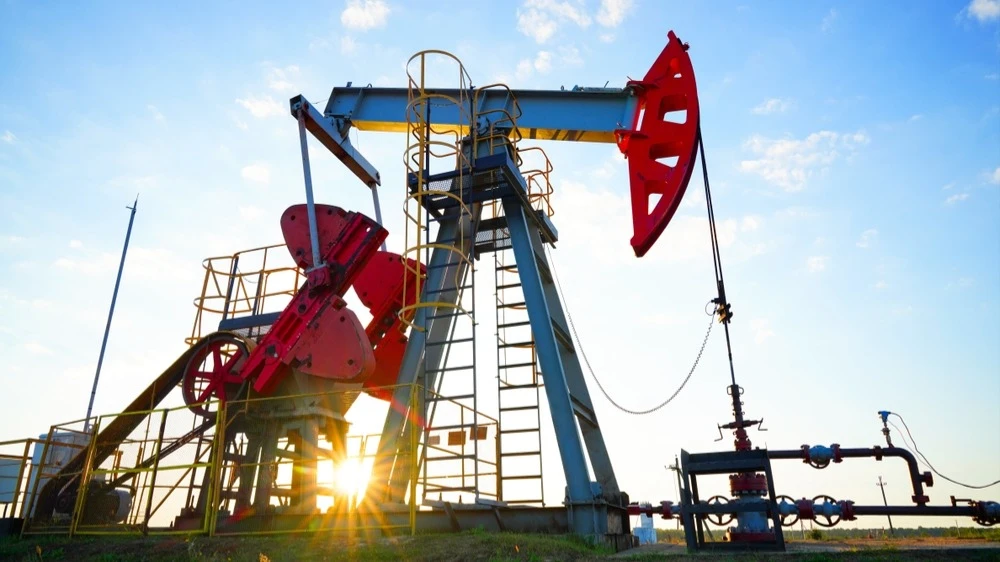
Brent crude futures hit $70 a barrel in trading on January 29 for the first time since September after U.S. President Donald Trump warned Iran to reach a nuclear deal, threatening military strikes otherwise. Photo: Maksim Safaniuk/Shutterstock
Brent crude oil futures reached $70 per barrel for the first time since September 2025 in trading on January 29. So the markets reacted to the statements of U.S. President Donald Trump with a warning to Iran about the need to conclude a nuclear deal, writes Bloomberg. Otherwise, Trump threatened, Iran should be ready for the U.S. to solve the issue militarily.
Details
Amid the news, Brent crude futures rose by more than 2% to $70.35 per barrel at their peak on January 29, the highest since late September last year, CNBC reported. The rise has subsequently corrected slightly, with Brent trading around $68.9 a barrel at the time of publication. U.S. West Texas Intermediate (WTI) crude, meanwhile, at the moment exceeded $65 per barrel (+2.5%), also reaching a four-month high.
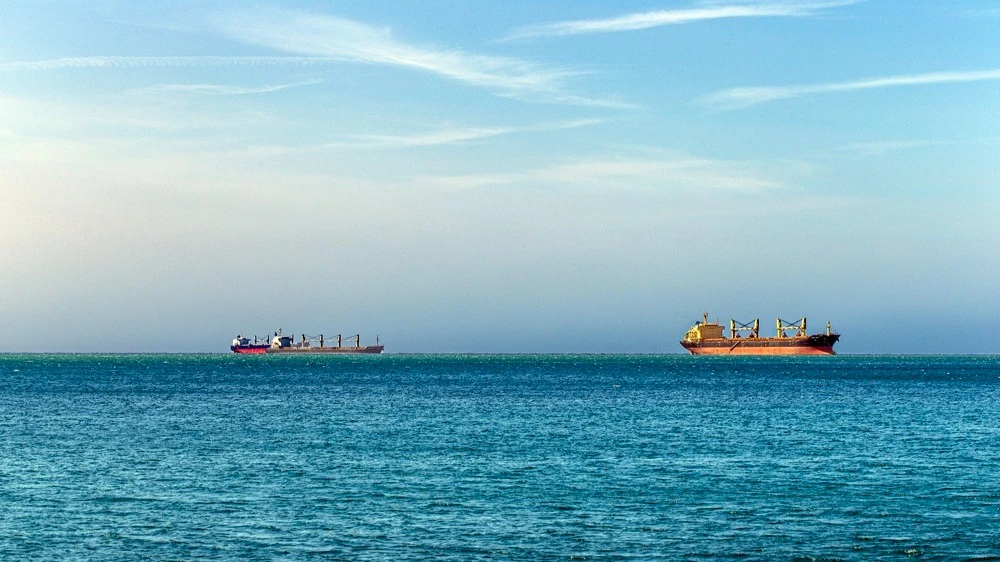
U.S. military strikes - if Trump's threat is realized - could pose risks to oil flows from the Middle East, a region that accounts for about a third of the world's supply, Bloomberg writes. Iran's retaliation would disrupt shipping through the Strait of Hormuz, a narrow passage between Iran and the Arabian Peninsula. Through this strait, tankers carry oil and liquefied natural gas for shipments around the world, the agency explains. Trump said earlier this week that the U.S. ships he ordered to the Middle East region are ready to carry out their mission "quickly and with force if necessary," Bloomberg adds.
What's happening in the oil market
In 2026, oil rose markedly in price, contrary to market expectations, which envisioned pressure from a significant oversupply, Bloomberg points out . Instead, quotations were supported by geopolitical risks from Iran to Venezuela, as well as major supply disruptions in Kazakhstan.
"The likelihood of a [U.S.] strike on Iran has raised the geopolitical premium in oil prices by about $3-4 per barrel," Citigroup analysts said. They estimate that oil prices could remain above expectations despite markets laying down a significant supply glut at the start of the year. "Our bullish scenario with a price of $72 per barrel and a 0-3 month horizon target of $70 per barrel reflect just such a scenario should it materialize," Citi said in a Jan. 28 report (quoted by Reuters).
To keep oil prices above $60 per barrel in recent weeks, according to analysts, helped disruptions in oil production in Kazakhstan, severe frost in the United States, geopolitical tensions in the Middle East and the tightening of U.S. sanctions on oil from Russia. The same factors, as well as demand from China due to the accumulation of inventories, may continue to support oil quotations at a high level, Citi noted.
Context
Trump has repeatedly issued warnings against Iran, but recently they have been mainly related to the harsh crackdown on protests in Tehran rather than the nuclear program. Earlier, the US president said the regime's atomic program had been "destroyed" as a result of US strikes on three Iranian sites in June.
In response, Iran said it was ready for dialog, but warned that it would respond with unprecedented force in case of pressure. Tehran also stepped up diplomatic contacts with key Middle Eastern countries in an effort to prevent further escalation of the conflict with the United States, Bloomberg reported.
This article was AI-translated and verified by a human editor