Oil rises on reports of US pursuit of third oil tanker from Venezuela

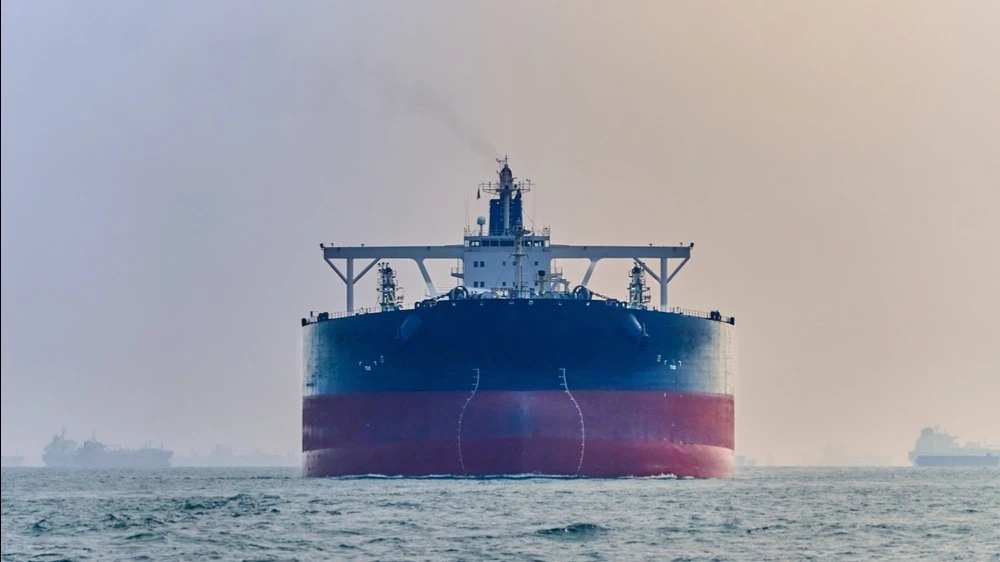
Brent crude oil Mark after two weeks of decline added more than 2% at the auction on December 22, reaching the level of $61.72 per barrel. WTI contracts also rose by 2% on Monday. This is how the market is reacting to reports about the strengthening of US President Donald Trump's blockade of oil exports from Venezuela: over the weekend, December 20-21, it became known that US troops boarded another tanker carrying Venezuelan oil and began pursuit of another, Bloomberg, Reuters and Barrons wrote.
Details
World oil prices rose on Dec. 22 amid intensified U.S. efforts to block oil exports from Venezuela and reports of an "active pursuit" of another tanker carrying Venezuelan oil headed for the coast of South America.
Trump announced last week that the U.S. was imposing a "full and complete blockade" on all under-sanctioned oil tankers traveling to and from Venezuela and accused Caracas of "stealing U.S. oil assets." Since then, the U.S. has detained one sanctioned oil tanker off the coast of Venezuela. And over the weekend, December 20-21, they reported the detention of another Panamanian-flagged vessel carrying 1.8 million barrels of Venezuelan oil, as well as the beginning of the pursuit of another tanker in international waters off the coast of Venezuela.
What the analysts are saying
Market participants now see a risk of disruption to Venezuela's oil exports due to the U.S. embargo, whereas they were previously calm on the issue, UBS analyst Giovanni Staunovo told Reuters.
Venezuelan oil accounts for about 1% of global supply, the agency said.
Sparta Commodities analyst Jun Guo also specifies that the growth in oil prices is supported not only by the events off the coast of Venezuela, but also by the growing tensions between Russia and Ukraine. Last week, Brent and WTI oil prices fell about 1% - also amid reports of ongoing peace talks between the U.S., Ukraine and European countries. Bloomberg reported last week that the U.S. is preparing sanctions against Russia's "shadow fleet" if Moscow does not support the outcome of those talks.
Context
Venezuela produces about 600 thousand barrels of oil per day through the state-owned company Petróleos de Venezuela SA, Barrons points out. Most of this production is sold to buyers in China, the publication explains. Earlier, on December 22, the representative of the Ministry of Foreign Affairs of China Lin Jian said that the U.S. detention of tankers with Venezuelan oil "grossly violates international law".
This article was AI-translated and verified by a human editor